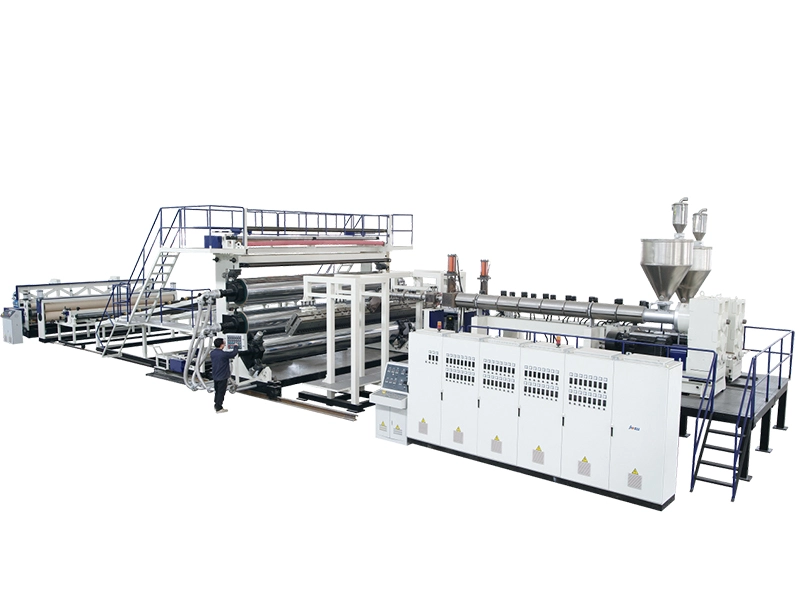
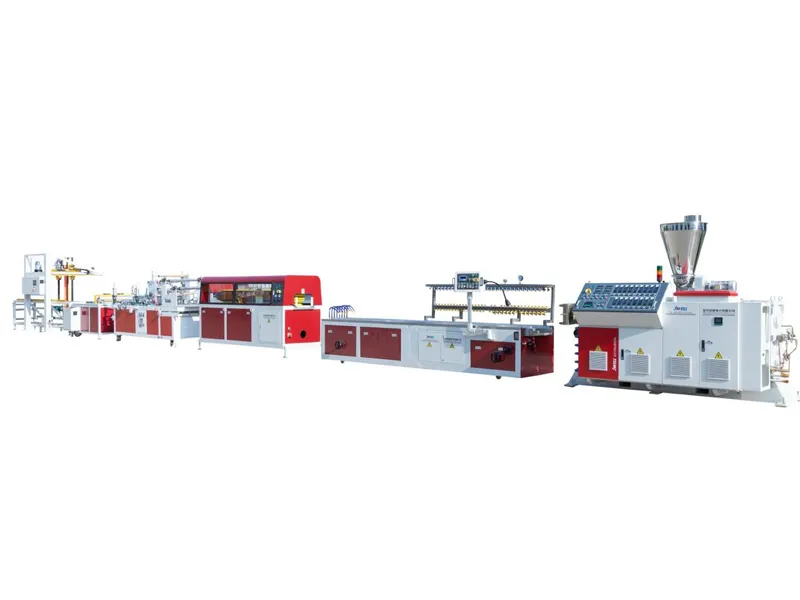
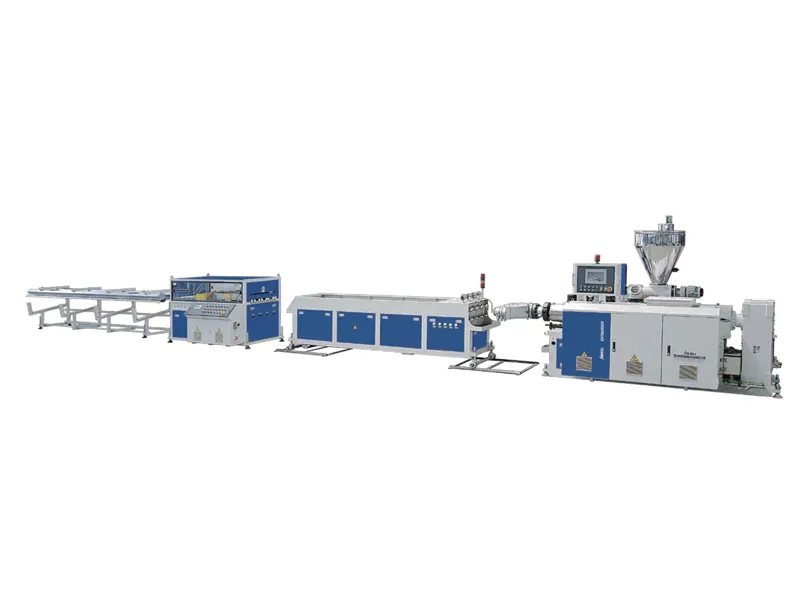
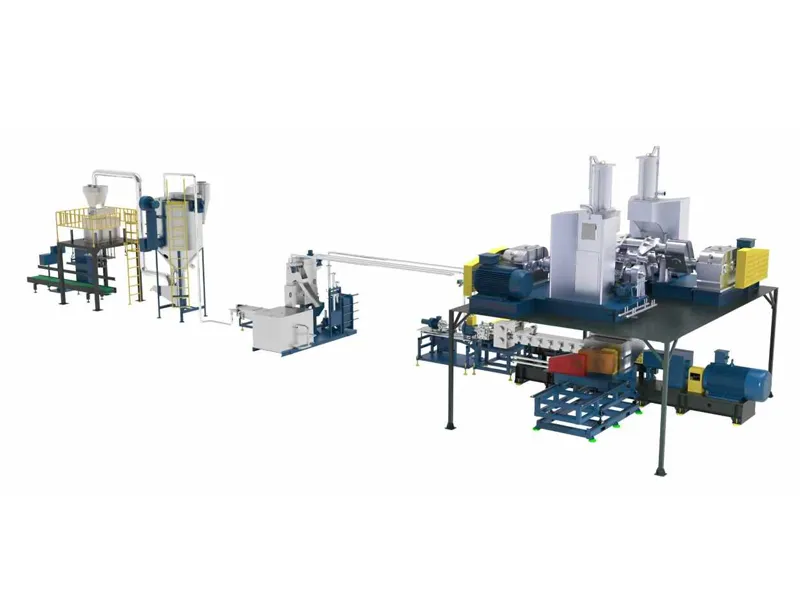
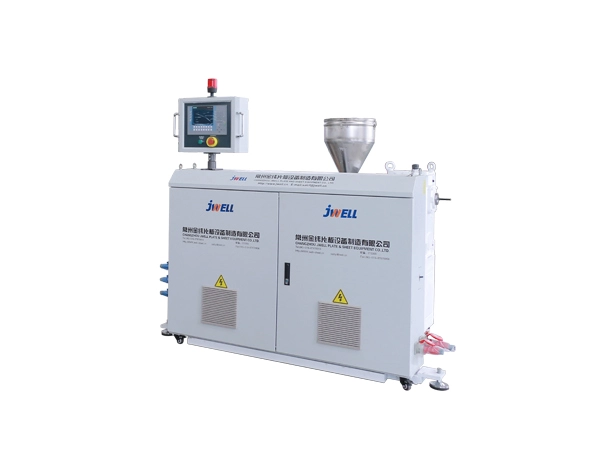
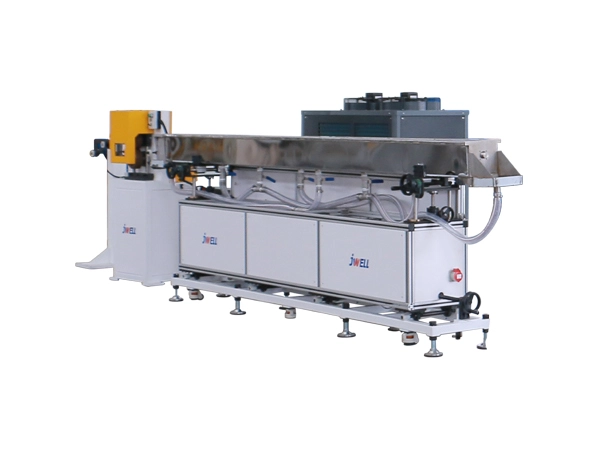
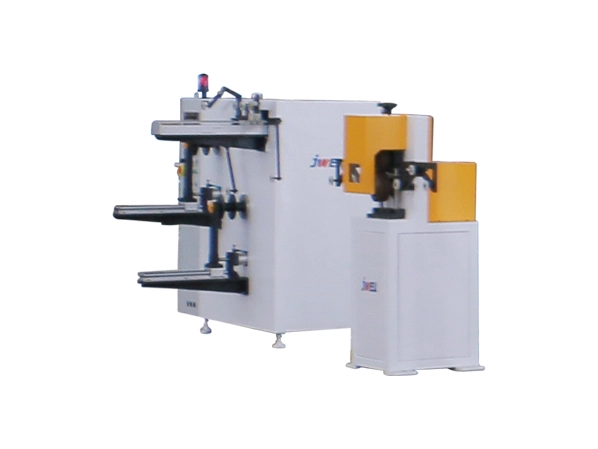
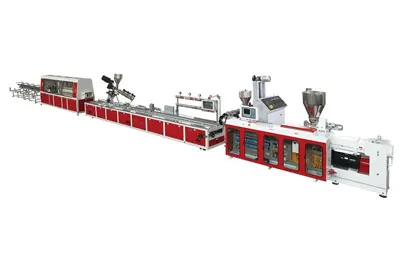
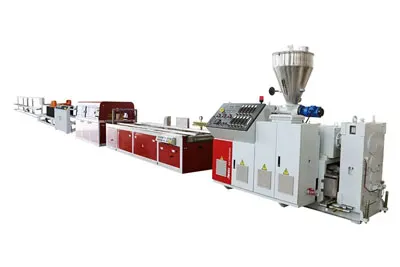
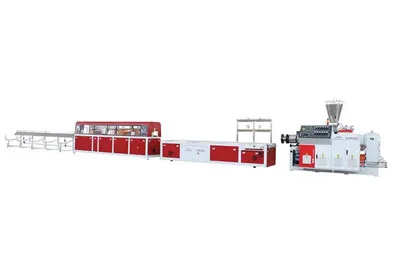
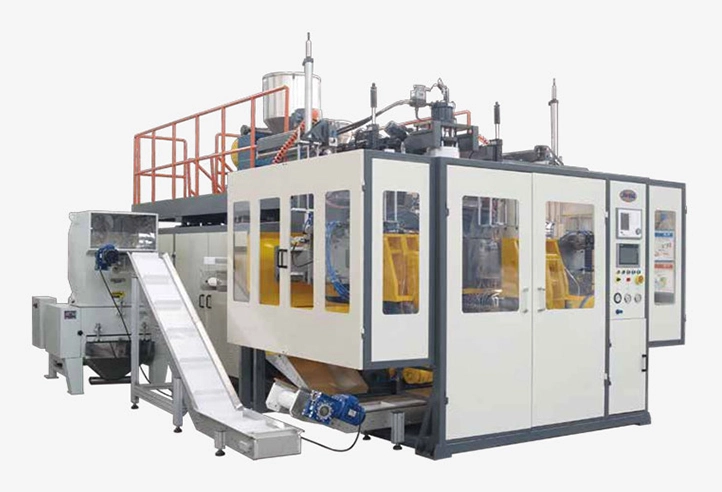
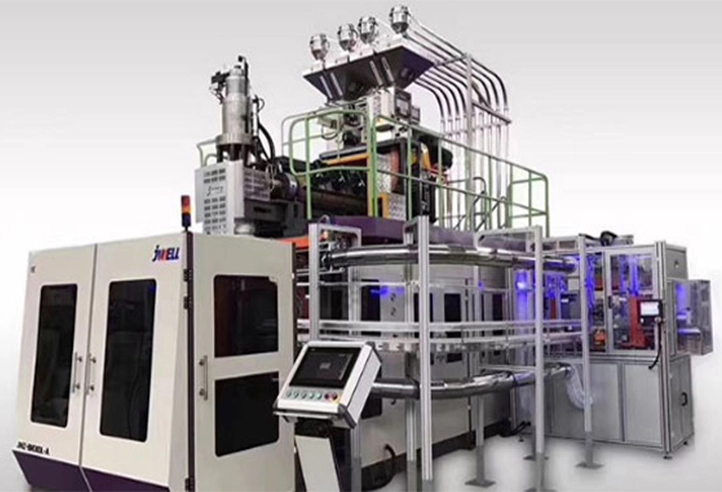
Specifications of 3D Printing Extrusion Production Line
Model | JWS-PA-18 | JWS-PLA-3A | JWS-PLA-3B |
Material | ABS, PLA, TPU, PEEK, PLA, PVC, PE, EVA, PP, PC, PA |
Extruder specification | JWS45/30 | JWS30/28 | JWS45/30 |
Products (mm) | 3-18mm | 1-3mm | 1-3mm |
Speed (m/min) | 30m/min | 50m/min | 120m/min |
Power of main motor (KW) | 40KW | 25KW | 40KW |
Features/Advantages of 3D Printing Extrusion Production Line
The main system uses closed-loop pressure control and linear closing loop control, ensuring quick adjustments and high linear precision.
The 3D printing extrusion production line can achieve speeds of 80-100 m/min, offering high efficiency and stability.
The 3D printing extrusion production line displays real-time operational information and features an emergency shutdown protection mechanism, making it user-friendly, safe, and reliable.
The 3D printing extrusion production line uses a touch screen and a Siemens controller, ensuring stable operation and high integration.
The touch screen displays all operational pages, such as the extrusion unit, traction unit, winding unit, etc. It can generate various curves like "head material temperature-time", "head pressure-time", and "wire diameter-time".
The 3D printing extrusion production line offers a formula management function. Users can record and save various material production parameter formulations in the touch screen for easy recall in future production without the need for resetting.
4. The die extrusion is stable and offers a variety of diameter options.
The precision-machined extrusion die ensures effective plasticizing, stable extrusion, and a variety of diameter options.
The die heating uses an inlet thermocouple temperature and PID control, keeping the temperature deviation within ± 1 ° C.
The high-precision transmission system uses pressure closed-loop control, maintaining the extrusion pressure value and target pressure value within ± 0.1 MPa.
5. The traction unit speed adjusts automatically to ensure a stable wire diameter.
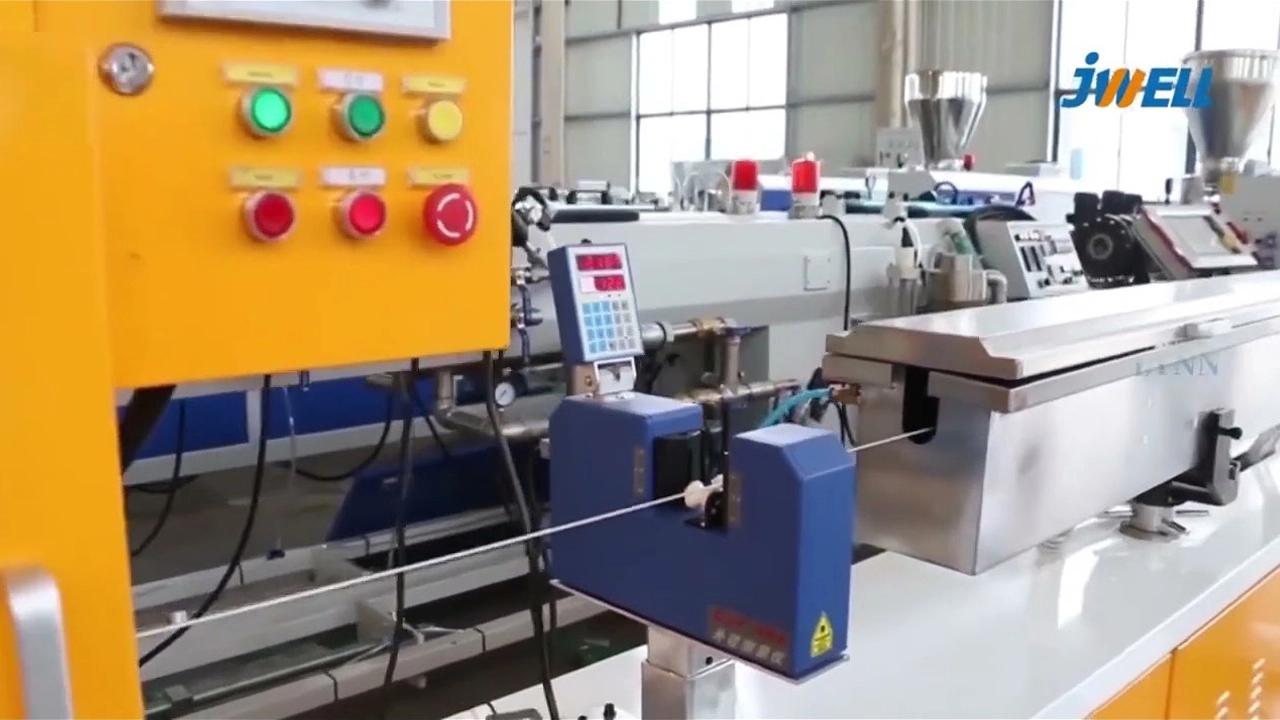
The radiometer measures the wire diameter in real-time, providing feedback on the wire size. The traction motor forms a wire-diameter ring control, automatically adjusting the speed to ensure a stable wire diameter with an accuracy of ± 0.01 mm.
Application of 3D Printing Extrusion Production Line
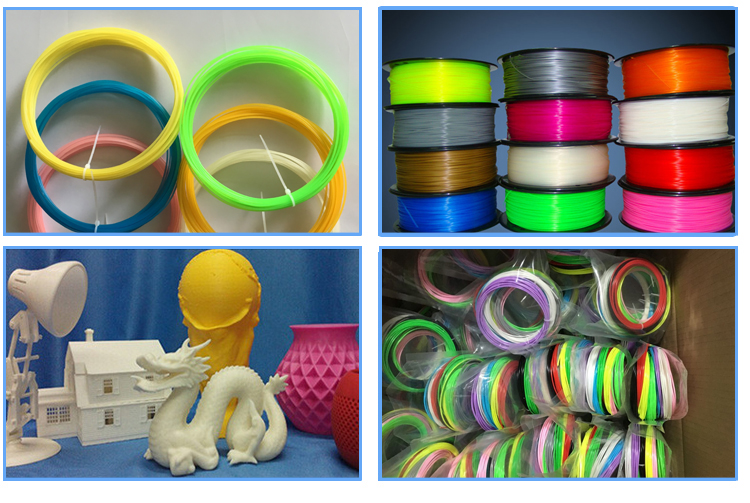
3D printing materials are a crucial component of 3D printers and significantly influence the broad scope of 3D printing. Engineering plastics, such as ABS, PA, PC, PPSF, PEEK, etc., are the most commonly used materials for 3D printing consumables. They are used in industrial parts, housing materials, and can be sprayed, machined, or plated.
Other bioplastics, like PLA, PBAT, PBS, PCL, and other degradable materials, also have extensive applications. For instance, PLA, or polylactic acid, is considered one of the best printing materials due to its variety of translucent and glossy finishes and its environmental friendliness. PCL materials, known for their excellent biocompatibility and non-toxicity, are widely used in the medical sector for printing items like heart stents.
We have been studying 3D printing consumables for many years and have gained rich experience. If you're looking to purchase a 3D printer extruder from a 3D printing extrusion production line at a competitive price, we can offer a range of top-quality equipment solutions.
 English