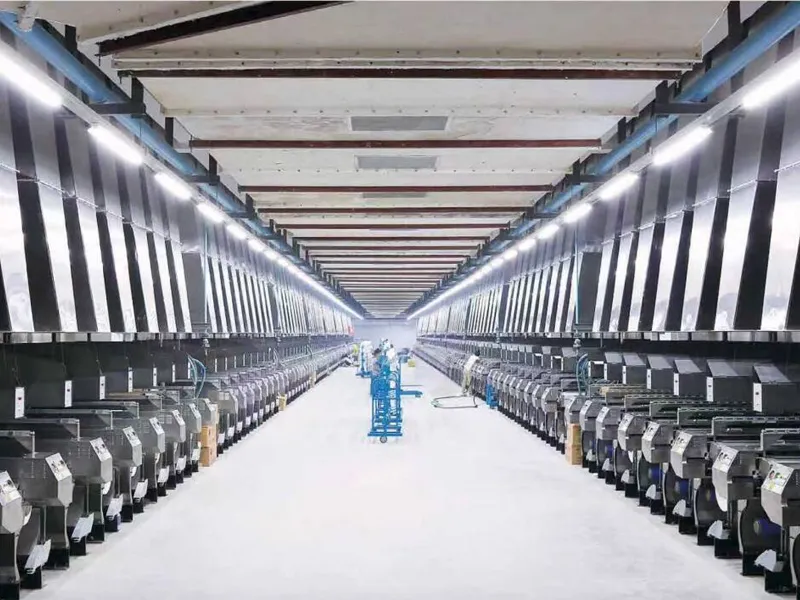
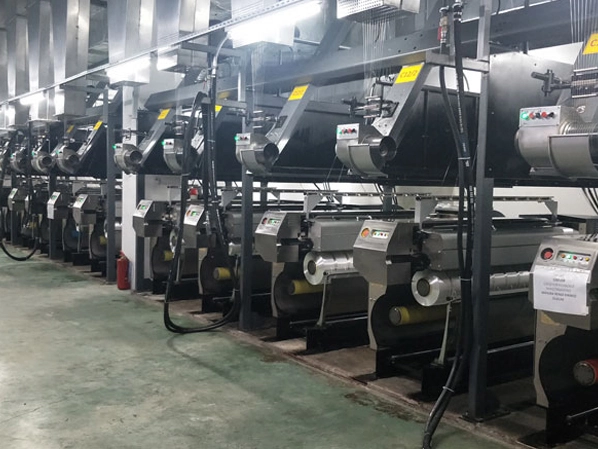
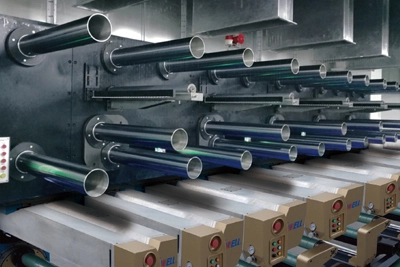
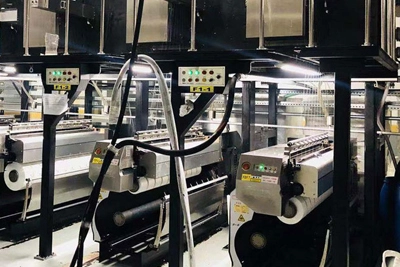
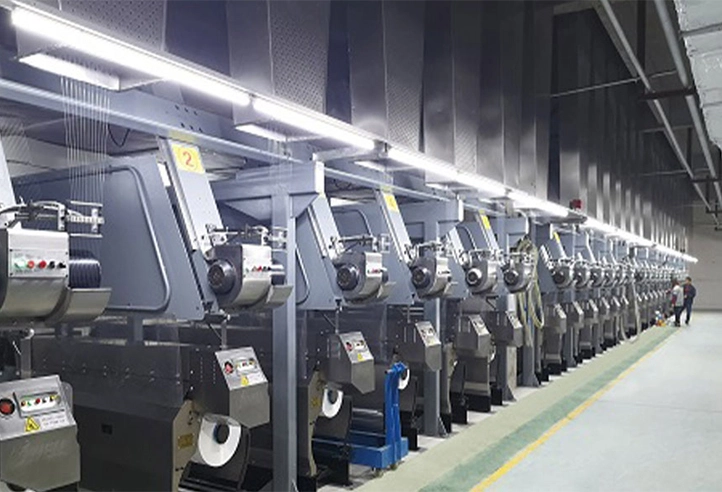
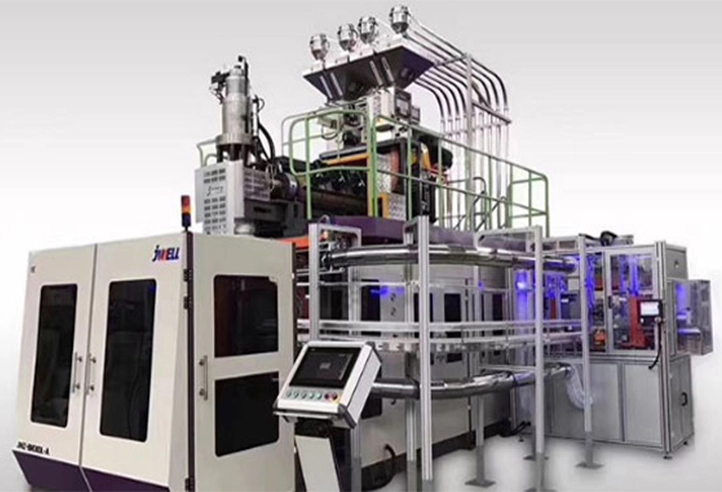
Bicomponent Yarn Machine Description
Materials: PET / PA6, PTT / PET
Denier Range (D): 50-600
Process Speed: 3200 m/min
Number of Positions: 6 / 8 / 10 / 12 positions (customizable)
Number of Ends: 8 / 10 / 12 ends (customizable)
Winders: Automatic
Grade Class Rate: Up to grade class rate ≥98%, first class rate ≥95%, full package rate ≥90%
Bicomponent Yarn Machine Specifications
Item | Specification |
Place of Origin | China |
Brand Name | JWELL |
Model Number | Bicomponent Yarn |
Certification | CE, ISO |
Minimum Order Quantity | 1 SET |
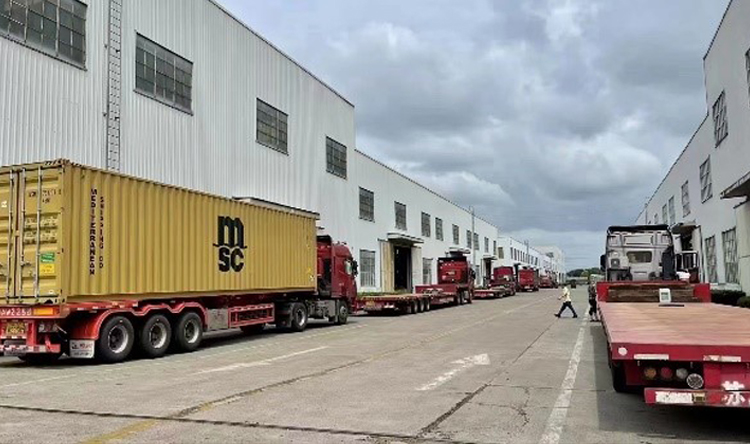
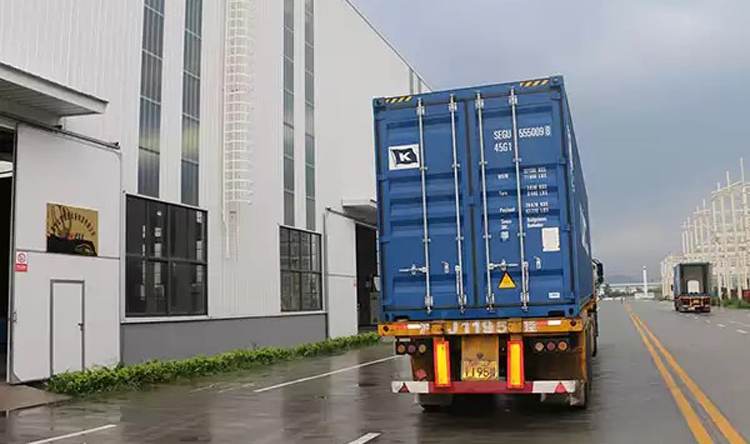
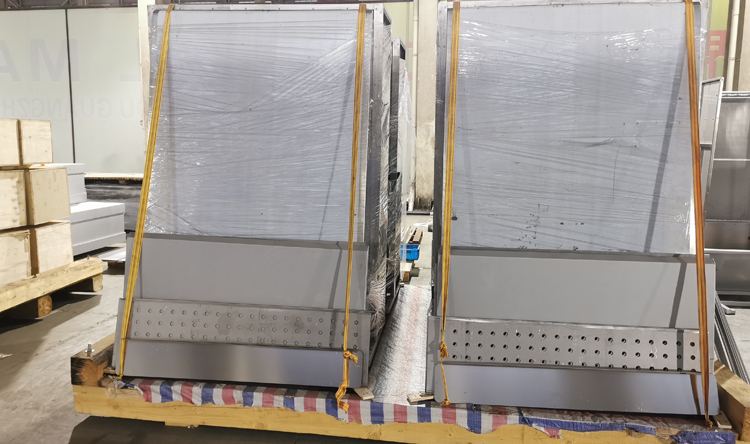
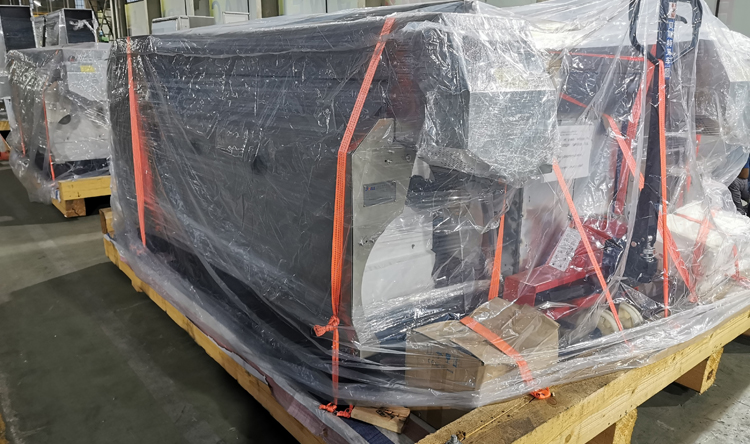
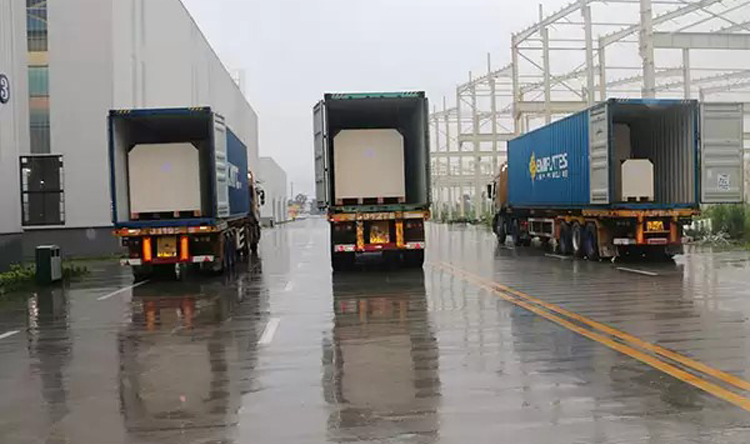
Packaging Details | Wooden pallet packing |
Delivery Time | 90 days |
Payment Terms | TT, LC |
Applications of Bicomponent Yarn Machine
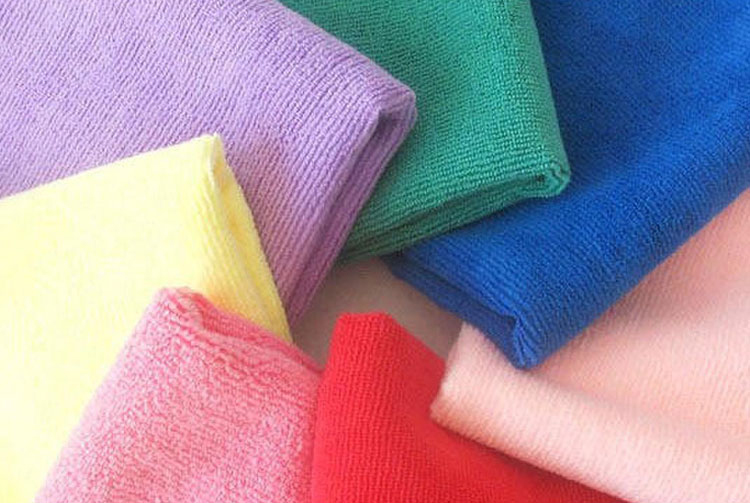
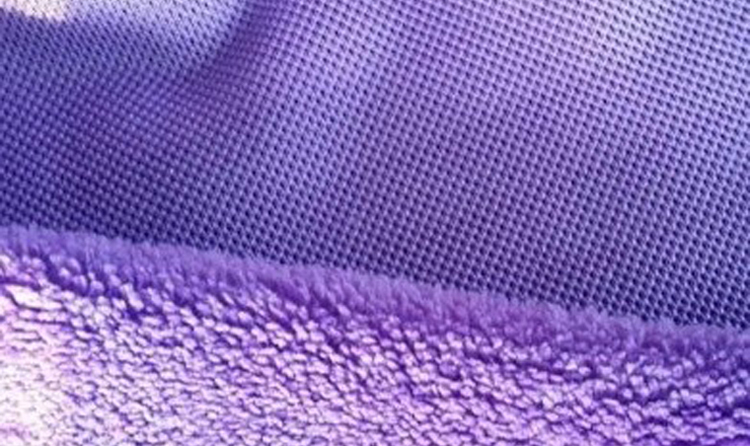
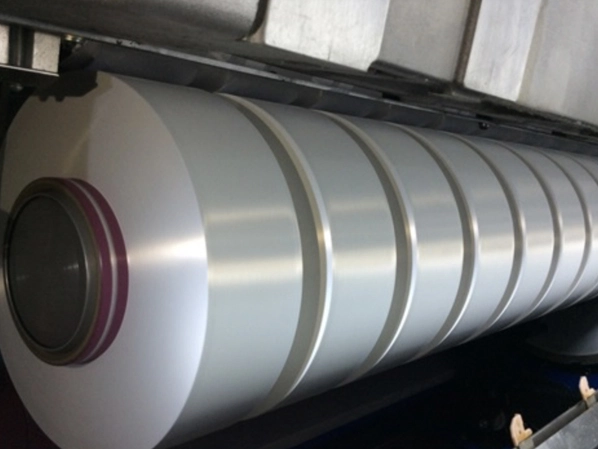
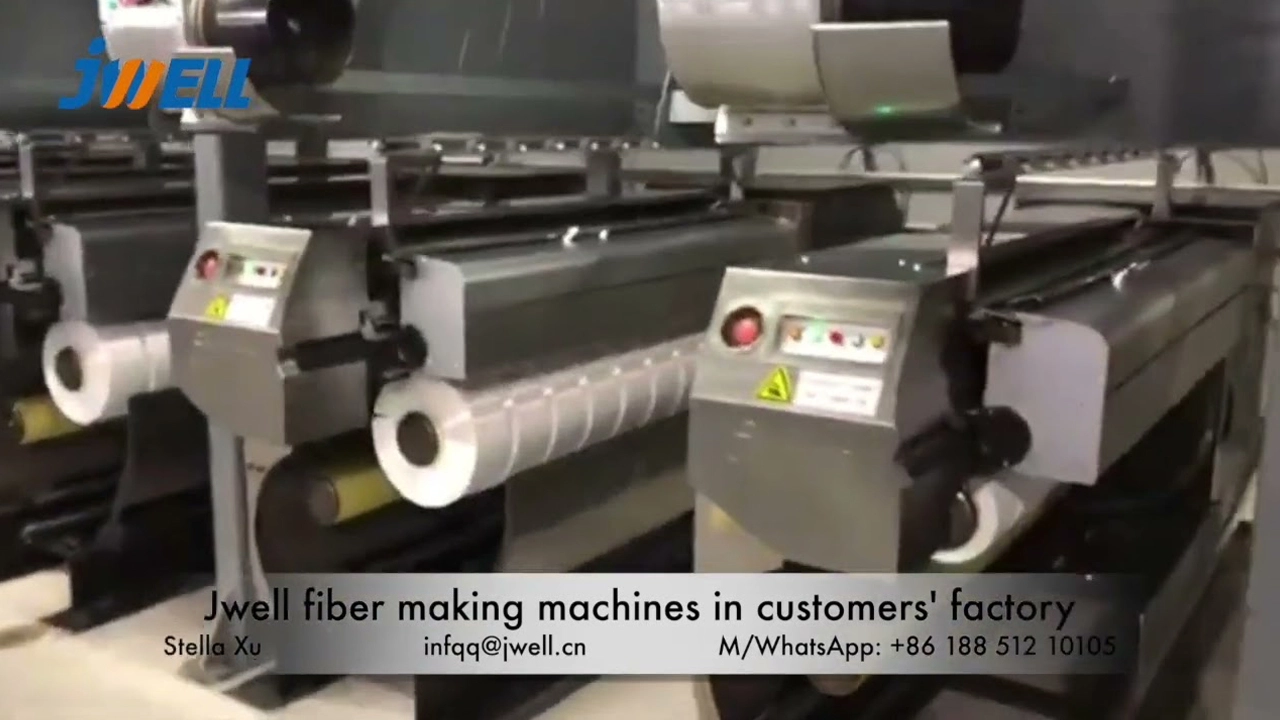
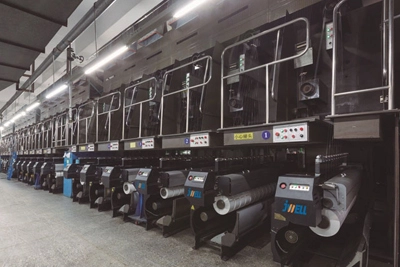
Bicomponent Yarn Machine
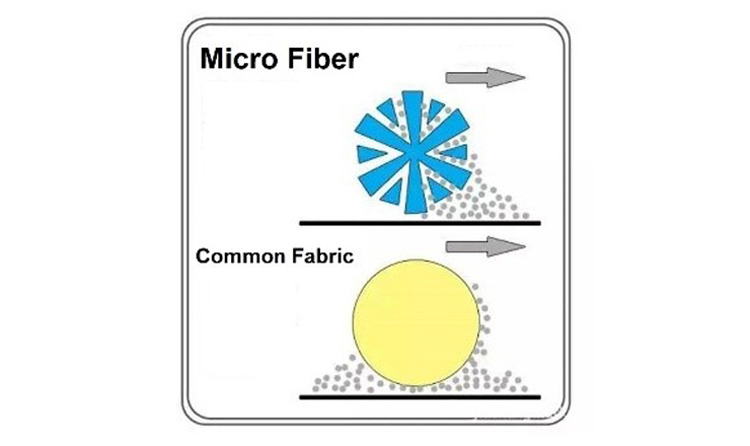
Bicomponent spinning primarily involves the combination of polyester and nylon, creating fibers with unique cross-sectional shapes such as orange petals, rice-shaped, and other specialized forms, offering excellent moisture absorption. Bicomponent yarn is predominantly used in cleaning products, home textiles, and more. Additionally, through composite spinning's special structure, fibers can achieve properties like low melting points, flame resistance, antistatic, and conductivity.
Applications of Polyester/Nylon Bicomponent Microfiber:
Performance and Advantages of Bicomponent Yarn Machine
Polyester/Nylon Bicomponent microfiber utilizes the chemical differences between PET and PA polymers, which lead to weak interfacial bonding, allowing them to be separated during the spinning process. Antibacterial superfine fibers are often blended or treated with masterbatches containing antibacterial agents to offer lasting antibacterial properties.
The melt-spinning method uses a masterbatch addition technique to produce a melt-spun antibacterial polyester/polyamide (80/20) composite superfine fiber. Antibacterial masterbatch is added at about a 2% ratio to the polyester component. The Bicomponent fiber high-speed spinning technology and POY-DTY two-step process are applied to create fibers with excellent physical and mechanical properties. These fibers are about 0.2 dtex on average, equivalent to 1/5-1/10 of silk, offering superior physical and chemical properties. These fibers are widely used in textile cleaning products and the clothing industry.
Bicomponent Yarn Spinning Process
Bicomponent and multicomponent fibers are made from two or more polymers with different chemical or physical properties. In a simple two-component spinning process, two extruders melt the chips, and the polymer melts are introduced into spinning bags or holes to form filaments. Bicomponent yarn spinning is commonly used for producing industrial synthetic fibers. The two-component fiber uses a melt-drawing process similar to conventional synthetic fiber production, aiming to exploit the mechanical, physical, or chemical properties of both materials to broaden their application range.
Bicomponent Yarn Machine Packing & Shipping


 English