Jwell Machinery
Jwell Machinery

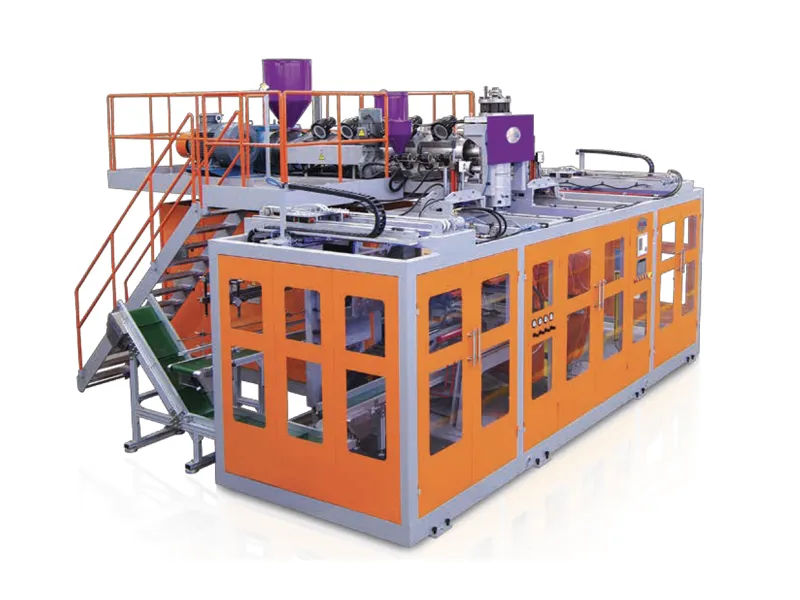
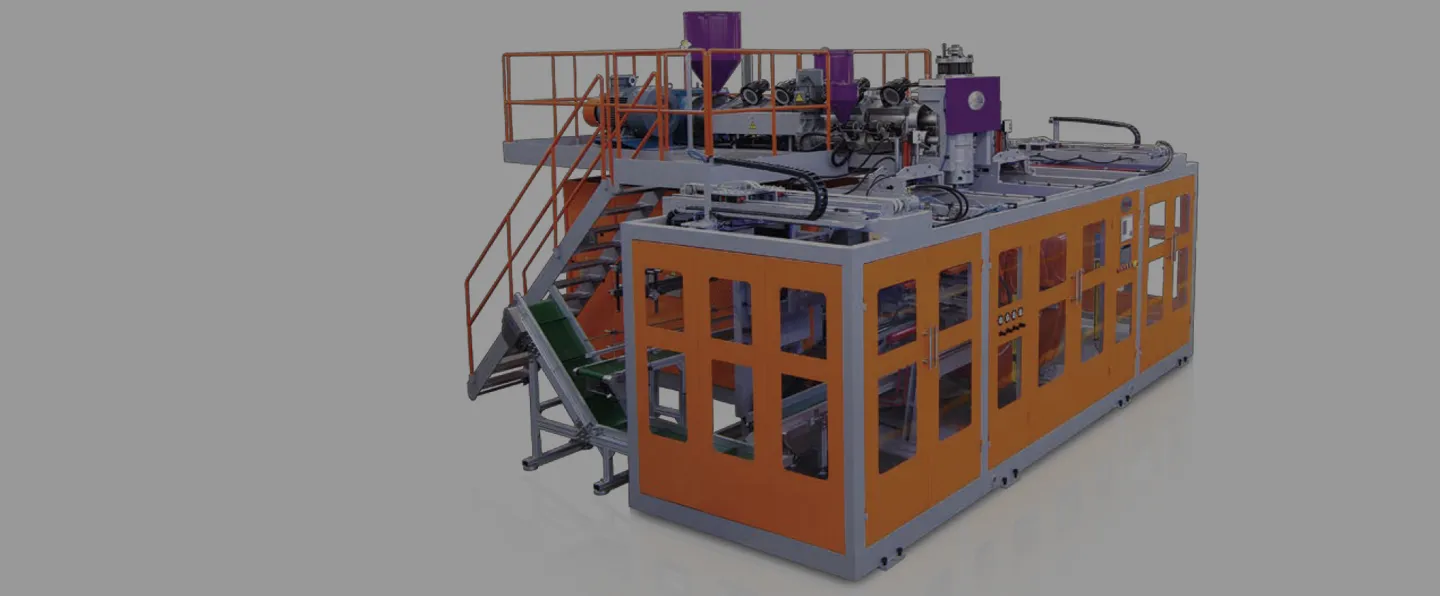
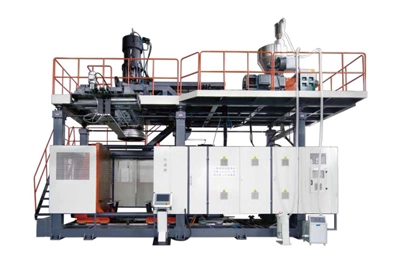
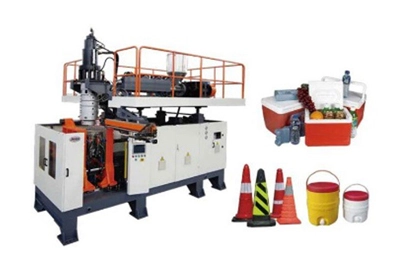
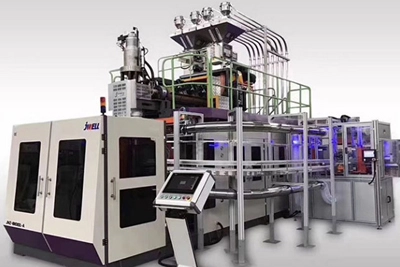
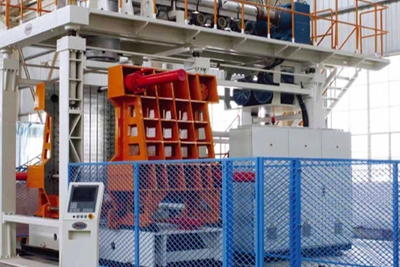
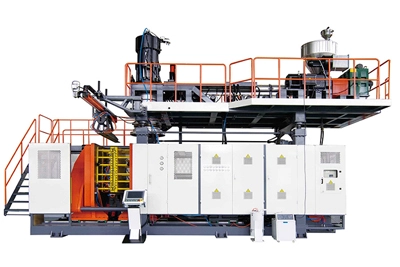
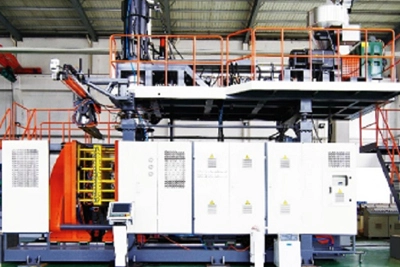
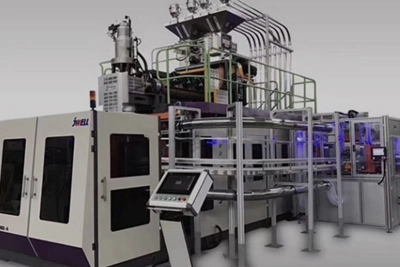
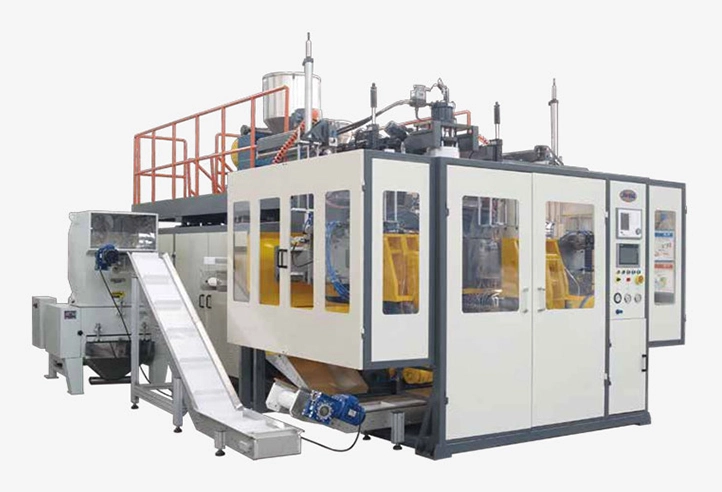
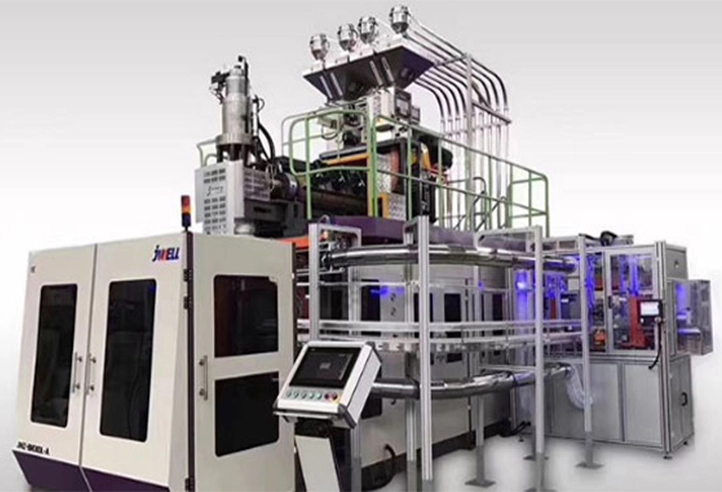
Blow molding machines are specialized manufacturing systems used to produce hollow plastic products through the blow molding process. These machines can create a wide range of products, including bottles, containers, drums, tanks, and automotive components. Blow molding machines can handle different materials such as HDPE, LDPE, PP, PVC, and PET, allowing for the production of products with various sizes, shapes, and properties. The versatility of blow molding machines makes them essential in industries such as packaging, automotive, and consumer goods.

Types of Blow Molding Machine

Types of Blow Molding Processes: Extrusion Blow Molding, Injection Blow Molding, Stretch Blow Molding

Blow molding is a versatile manufacturing process used to produce hollow plastic parts. There are three main types of blow molding processes: extrusion blow molding, injection blow molding, and stretch blow molding. Here's a brief overview of each process:


  • Extrusion Blow Molding (EBM): This is the most common and widely used blow molding process. In EBM, a molten plastic material, typically high-density polyethylene (HDPE), is extruded through a die to form a hollow tube called a parison. The parison is then clamped into a mold, and pressurized air is blown into it, expanding the plastic against the mold walls. Once cooled, the mold is opened, and the finished part is ejected. EBM is suitable for producing large, hollow parts such as bottles, containers, and drums.


  • Injection Blow Molding (IBM): IBM combines injection molding and blow molding processes. Initially, a preform is injection molded with a small opening called a neck. The preform is then transferred to a blow mold, where it is clamped and inflated with pressurized air to take the shape of the mold cavity. IBM is commonly used for producing small, high-precision parts such as pharmaceutical bottles, cosmetic containers, and single-serve beverage bottles.


  • Stretch Blow Molding (SBM): SBM is primarily used for producing PET (polyethylene terephthalate) bottles. The process begins with the injection molding of a preform, similar to IBM. The preform is then reheated and stretched in the axial direction while being blown into the final shape using pressurized air. This stretching imparts strength and clarity to the bottle. SBM is widely used in the beverage industry for producing carbonated drink bottles, water bottles, and other PET containers.


Each blow molding process has its advantages and is suitable for specific applications. Understanding the differences between these processes helps manufacturers choose the most appropriate method for their desired product design, size, and production volume.

The Role of Blow Molding Machines in Sustainable Packaging Solutions

Blow molding machines play a significant role in promoting sustainable packaging solutions. With the increasing global concern for environmental conservation, businesses are seeking ways to reduce their carbon footprint and adopt more eco-friendly practices. Blow molding machines offer several advantages in this regard.


Firstly, blow molding allows for the production of lightweight and durable packaging materials. By using less material, such as plastic, in the manufacturing process, blow molding machines help reduce waste and conserve resources. This lightweight packaging also contributes to lower transportation costs and energy consumption during shipping.


Furthermore, blow molding machines enable the production of recyclable packaging materials. Many blow-molded products, such as PET bottles, can be easily recycled and used to create new products. This closed-loop recycling system helps reduce the amount of plastic waste that ends up in landfills or oceans.


Additionally, blow molding machines can produce packaging with specific features that enhance sustainability. For example, they can create containers with built-in handles or spouts, eliminating the need for additional packaging components. This reduces material usage and simplifies the recycling process.


Moreover, blow molding machines are compatible with biodegradable and compostable materials. By utilizing these eco-friendly alternatives, businesses can offer packaging solutions that have a reduced environmental impact.


Overall, blow molding machines contribute to sustainable packaging solutions by reducing material usage, enabling recycling, and accommodating eco-friendly materials. By adopting these machines, businesses can align with consumer demands for environmentally responsible packaging and contribute to a greener future.


JWELL will meet your needs as much as possible. Don't hesitate to contact us now.
Contact Us