Jwell Machinery
Jwell Machinery

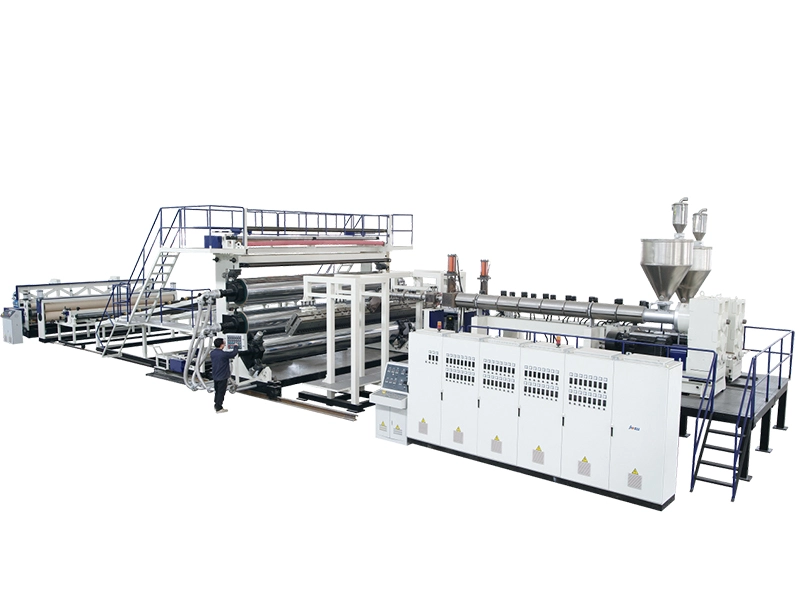
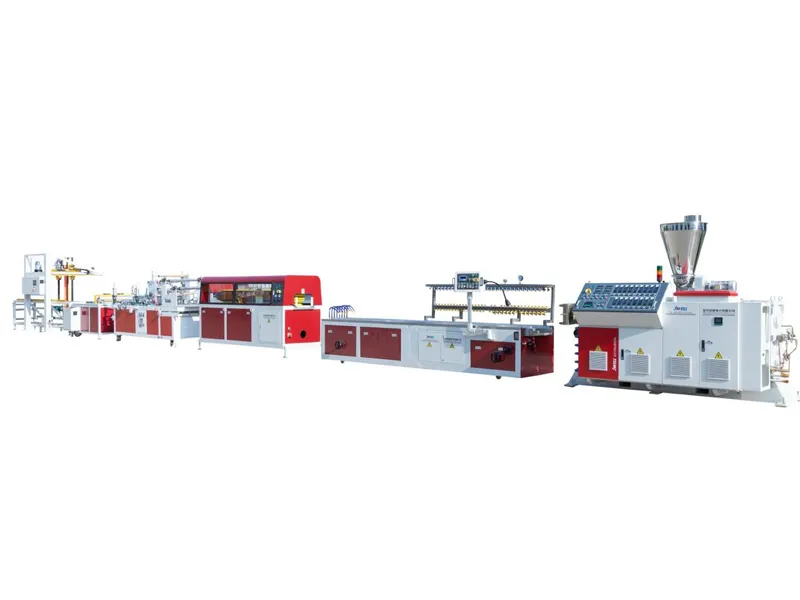
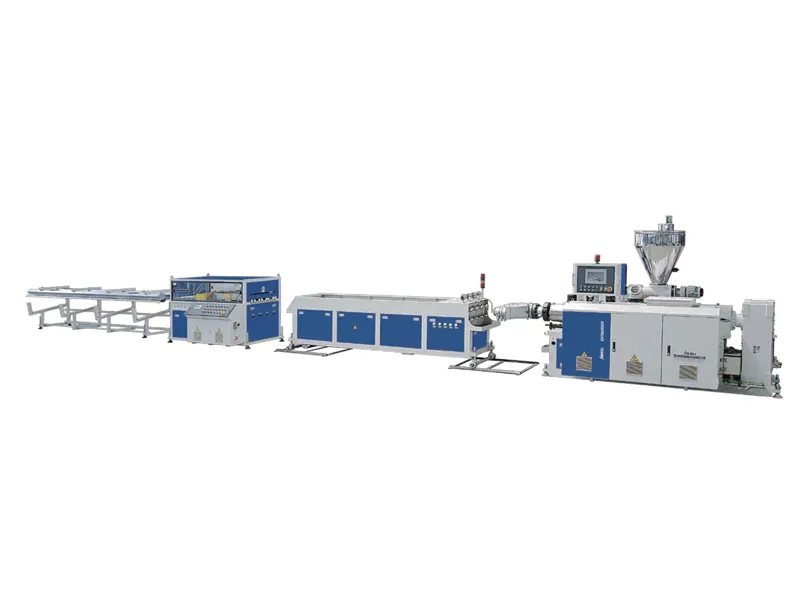
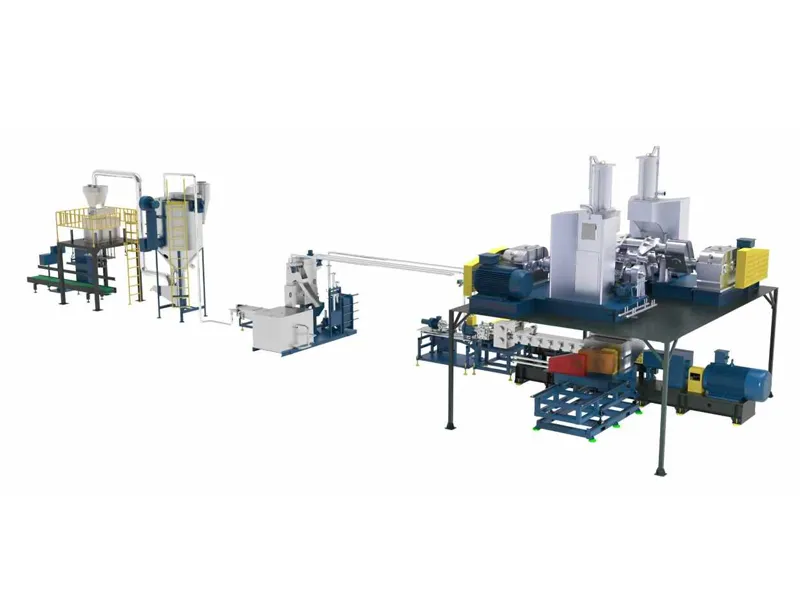
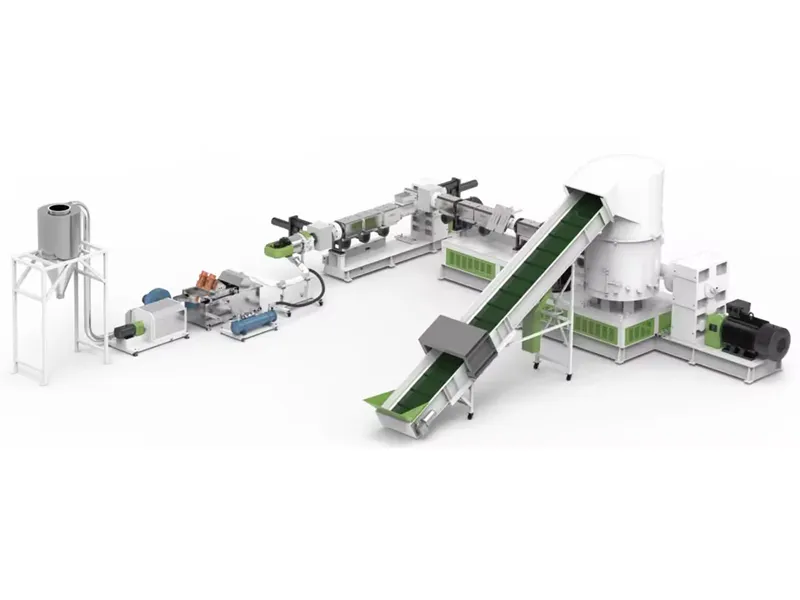
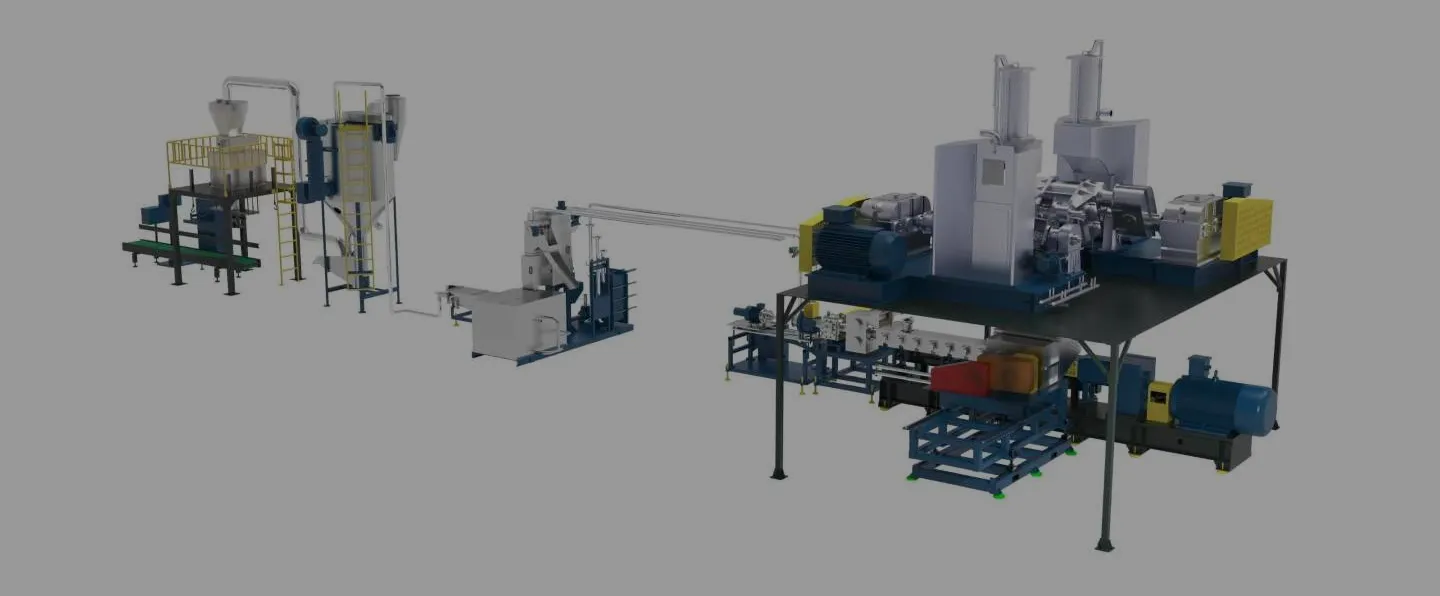
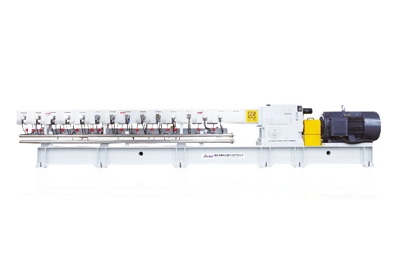
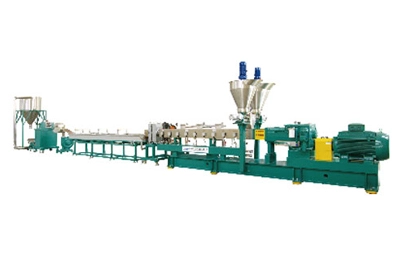
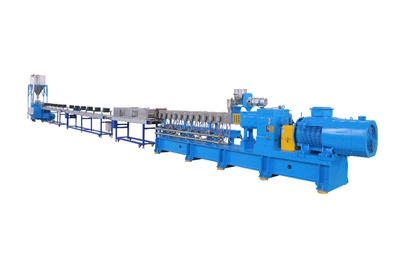
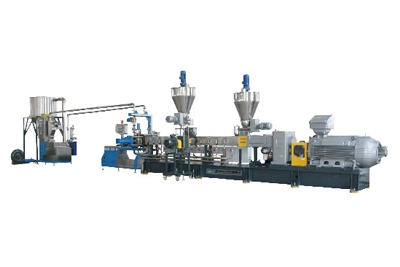
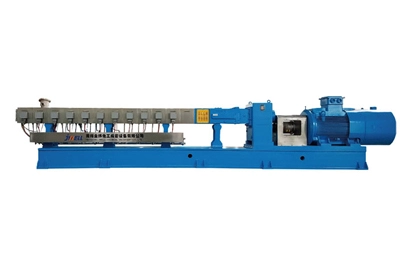
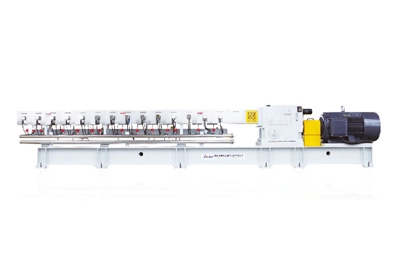
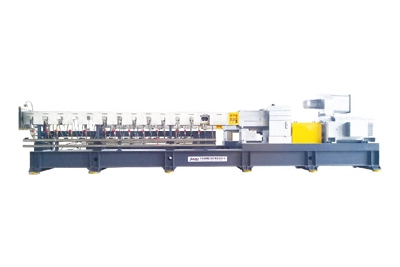
Compounding machines are advanced manufacturing systems used to blend and mix different materials to create compound materials with specific properties. These machines can handle a wide range of materials, including polymers, additives, fillers, and colorants. Compounding machines are used in various industries, such as plastics, rubber, pharmaceuticals, and food processing. They enable precise control over the mixing process, resulting in compound materials with desired characteristics, such as improved strength, flexibility, heat resistance, or color. The versatility of compounding machines makes them essential for producing customized compound materials for different applications.

Types of Compounding Machine

Exploring the Versatility of Compounding Machines

Compounding machines are highly versatile tools that offer a wide range of applications in the polymer industry. Their ability to blend and process various materials makes them indispensable for creating customized polymer compounds with specific properties. Here are some key aspects that highlight the versatility of compounding machines:


  • Material Compatibility: Compounding machines can handle a wide range of materials, including polymers, additives, fillers, reinforcements, and even recycled materials. This versatility allows manufacturers to experiment with different combinations and proportions of materials to achieve desired compound properties. Compounding machines can process both thermoplastic and thermosetting materials, expanding their applicability across different industries.


  • Formulation Flexibility: Compounding machines offer flexibility in formulating compounds with specific properties. Manufacturers can adjust the composition, concentration, and dispersion of additives to achieve desired characteristics such as flame resistance, impact strength, UV stability, or conductivity. This flexibility enables the production of compounds tailored to meet the requirements of various industries, including automotive, construction, packaging, and electronics.


  • Process Control: Compounding machines provide precise control over processing parameters such as temperature, shear rate, mixing time, and pressure. This control allows manufacturers to optimize the compounding process and achieve consistent compound quality. By adjusting these parameters, compounding machines can produce compounds with different melt flow rates, particle sizes, and dispersion levels, further enhancing their versatility.


  • Multi-functional Configurations: Compounding machines can be configured with various attachments and auxiliary equipment to perform additional functions. For example, they can be equipped with pelletizing systems to produce uniform pellets for easy handling and storage. They can also incorporate downstream equipment for extrusion, injection molding, or other processing methods, enabling seamless integration into existing production lines.


  • Application Diversity: The versatility of compounding machines extends to a wide range of applications. They are used in industries such as automotive, aerospace, electrical and electronics, medical, and consumer goods. Compounding machines are employed to produce compounds for applications such as pipes, cables, films, sheets, profiles, automotive parts, and packaging materials.


In conclusion, compounding machines offer versatility in terms of material compatibility, formulation flexibility, process control, and application diversity. Their ability to blend and process various materials with precision makes them indispensable tools in the polymer industry, enabling manufacturers to create customized compounds for a wide range of applications.

The Role of Compounding Machines in Polymer Industry

Compounding machines play a crucial role in the polymer industry by enabling the efficient and precise blending of various materials to create customized polymer compounds. Here are four key roles of compounding machines in the polymer industry:


Material Customization: Compounding machines allow manufacturers to customize polymer compounds by blending different materials, such as polymers, additives, fillers, and reinforcements. This customization enables the creation of compounds with specific properties, such as improved strength, flexibility, flame resistance, or UV stability. Compounding machines provide precise control over the blending process, ensuring consistent and uniform distribution of materials throughout the compound.


Formulation Development: Compounding machines facilitate the development and optimization of new polymer formulations. Manufacturers can experiment with different combinations and proportions of materials to achieve desired properties and performance characteristics. Compounding machines offer flexibility in adjusting processing parameters, such as temperature, shear rate, and mixing time, to fine-tune the formulation and achieve the desired compound properties.


Quality Control: Compounding machines play a vital role in ensuring consistent and high-quality polymer compounds. These machines provide precise control over the compounding process, allowing manufacturers to monitor and adjust parameters to meet specific quality standards. By maintaining uniform dispersion of additives and consistent material distribution, compounding machines help minimize variations in compound properties, ensuring reliable and predictable performance in end-use applications.


Efficiency and Productivity: Compounding machines improve efficiency and productivity in the polymer industry. These machines are designed for high throughput and continuous operation, enabling manufacturers to produce large quantities of compound in a shorter time. Additionally, compounding machines offer automation and advanced control systems, reducing the need for manual intervention and minimizing the risk of human error. This results in increased production efficiency, reduced downtime, and improved overall productivity.

Quality Assurance in Compounding Machine Operations

Quality assurance is a critical aspect of compounding machine operations in the polymer industry. It ensures that the produced compounds meet the required specifications and consistently deliver the desired properties. Here are some key considerations for quality assurance in compounding machine operations:


  • Raw Material Inspection: Quality assurance begins with thorough inspection and testing of incoming raw materials. This includes verifying the quality, purity, and compatibility of polymers, additives, fillers, and reinforcements. Conducting tests for parameters such as melt flow index, particle size distribution, and moisture content helps ensure that only high-quality materials are used in the compounding process.


  • Process Monitoring and Control: Continuous monitoring and control of process parameters are essential for maintaining consistent compound quality. Compounding machines should be equipped with advanced control systems that allow operators to monitor and adjust parameters such as temperature, pressure, mixing time, and shear rate. Regular calibration and validation of sensors and instruments ensure accurate measurement and control.


  • Quality Testing and Analysis: Regular quality testing of compounded materials is crucial to verify their properties and compliance with specifications. This includes conducting tests for mechanical, thermal, electrical, and other relevant properties. Quality control laboratories equipped with testing equipment such as rheometers, melt flow index testers, and spectrometers enable comprehensive analysis of compound properties.


  • Documentation and Traceability: Maintaining detailed documentation of compounding machine operations is essential for quality assurance. This includes recording process parameters, raw material information, test results, and any deviations or corrective actions taken. Proper documentation ensures traceability and facilitates troubleshooting, process optimization, and compliance with regulatory requirements.


  • Training and Skill Development: Ensuring that operators and technicians are well-trained and skilled in compounding machine operations is crucial for maintaining quality. Training programs should cover machine operation, process control, troubleshooting, and quality testing techniques. Regular skill development initiatives keep the workforce updated with the latest advancements in compounding technology and quality assurance practices.


  • Continuous Improvement: Quality assurance in compounding machine operations involves a commitment to continuous improvement. This includes analyzing process data, identifying areas for improvement, and implementing corrective and preventive actions. Regular audits and reviews help identify opportunities for enhancing process efficiency, reducing waste, and improving overall quality.


By implementing robust quality assurance practices, compounding machine operations can consistently produce high-quality compounds that meet customer requirements and industry standards. This not only ensures customer satisfaction but also enhances the reputation and competitiveness of the compounding facility.

JWELL will meet your needs as much as possible. Don't hesitate to contact us now.
Contact Us