Jwell Machinery
Jwell Machinery

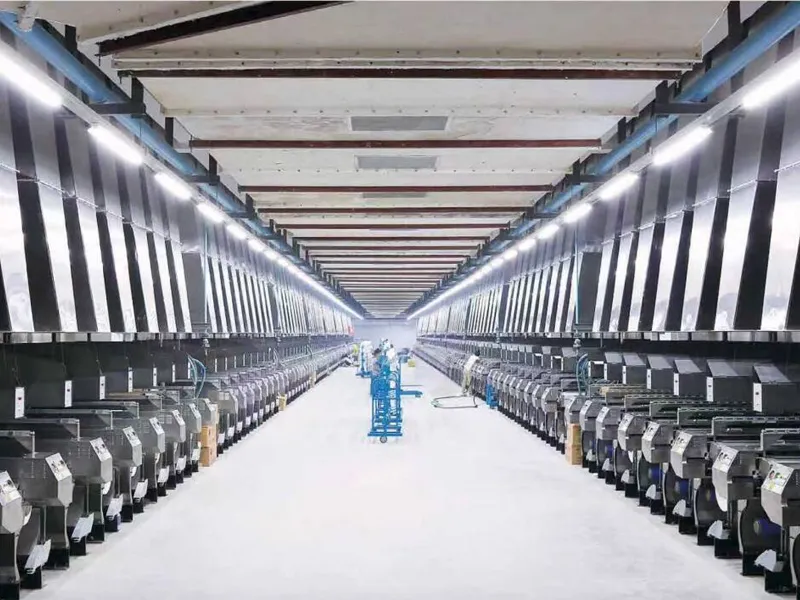
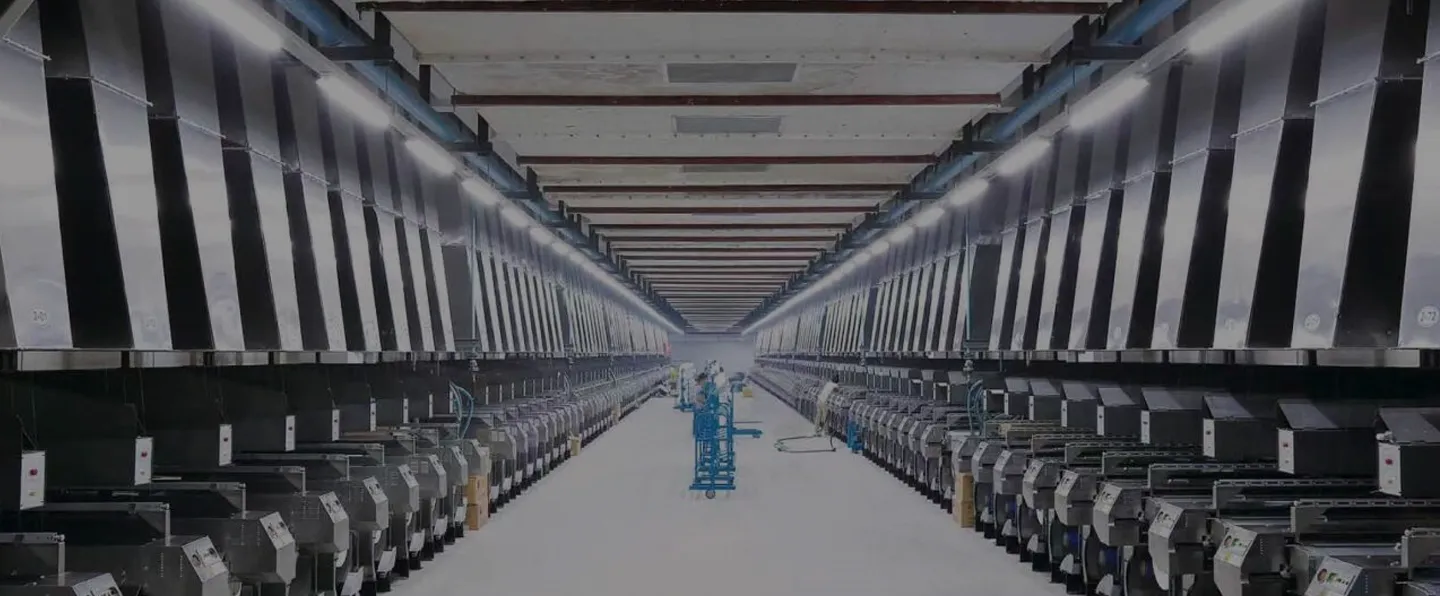
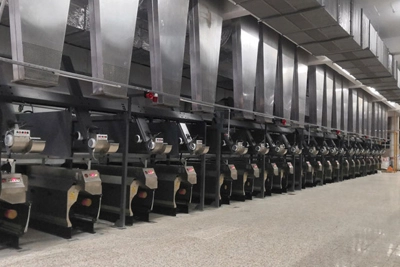
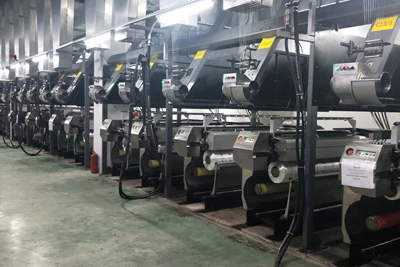
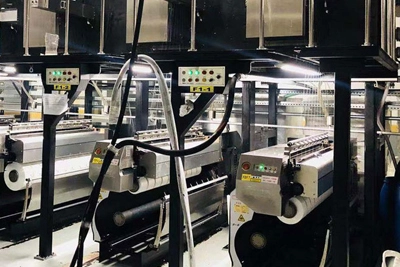
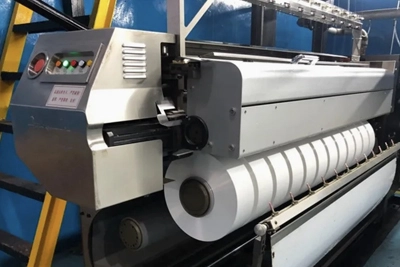
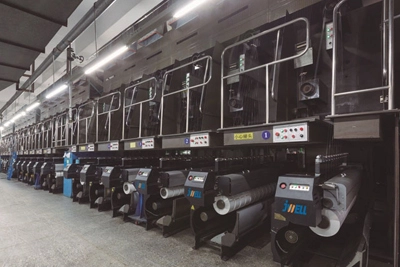
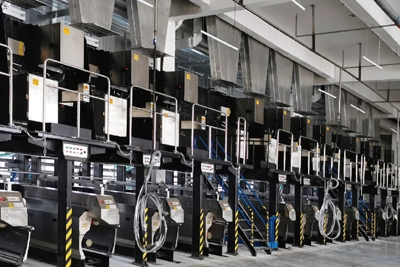
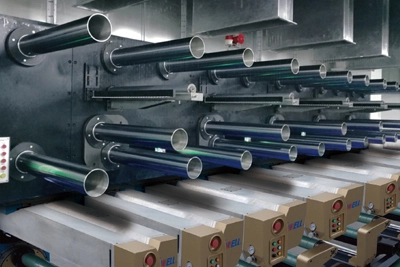
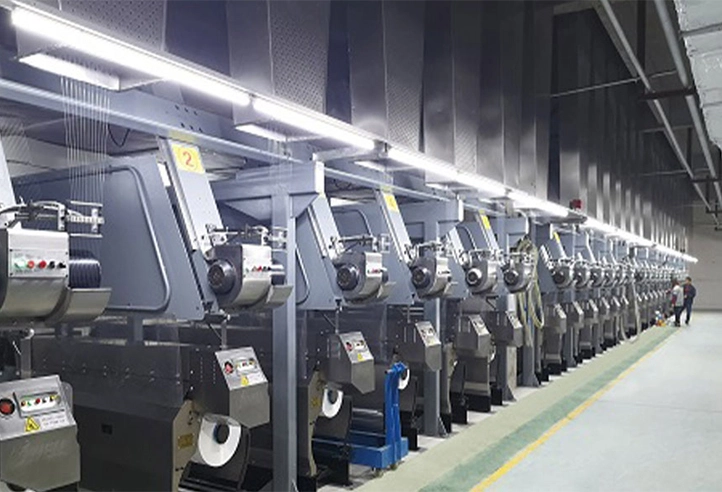
Fiber spinning machines are advanced manufacturing systems used to produce various types of fibers through the spinning process. These machines can handle different materials such as polyester, nylon, acrylic, and viscose, allowing for the production of fibers with different properties, including strength, elasticity, and moisture-wicking capabilities. Fiber spinning machines are widely used in the textile industry to produce yarns for clothing, home textiles, and industrial applications. The precision and efficiency of fiber spinning machines make them essential in meeting the diverse needs of the fiber industry.

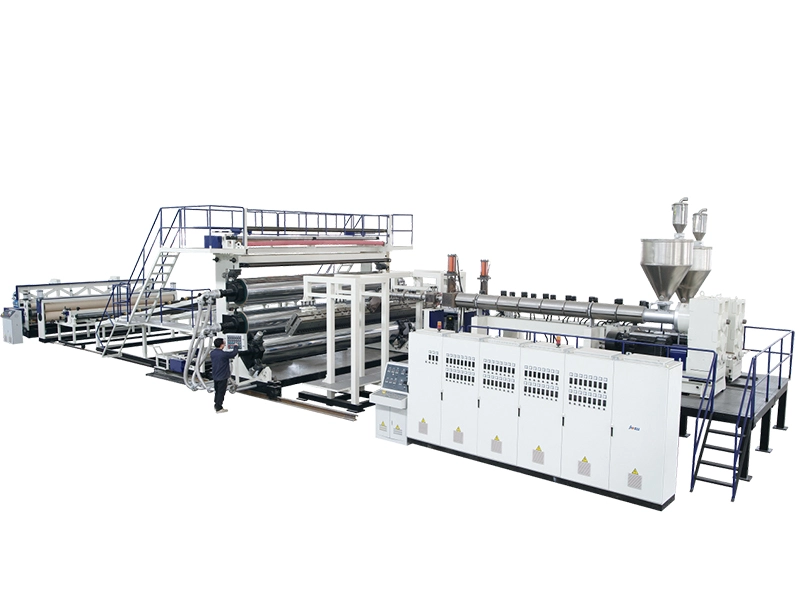
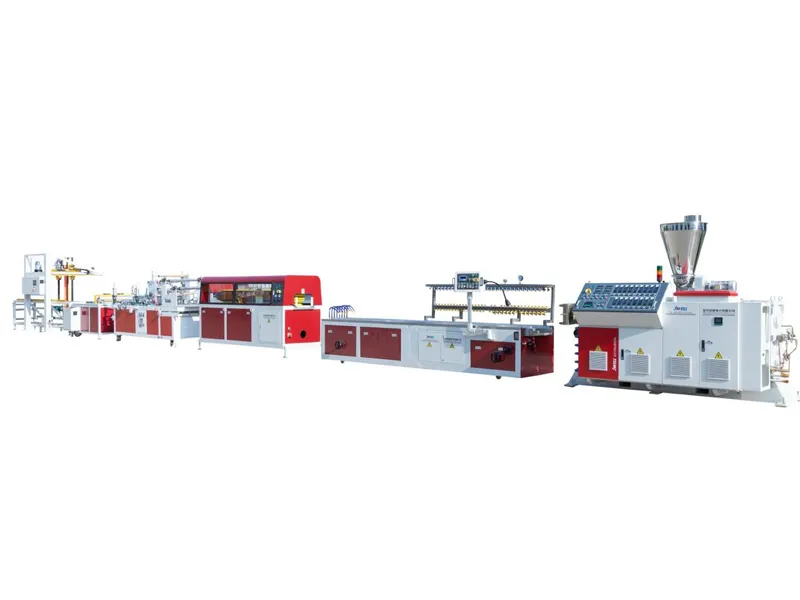
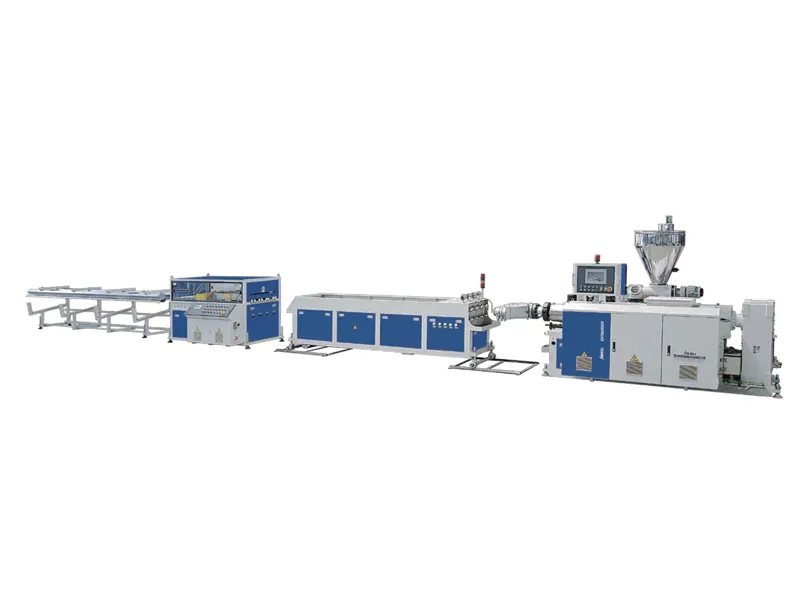
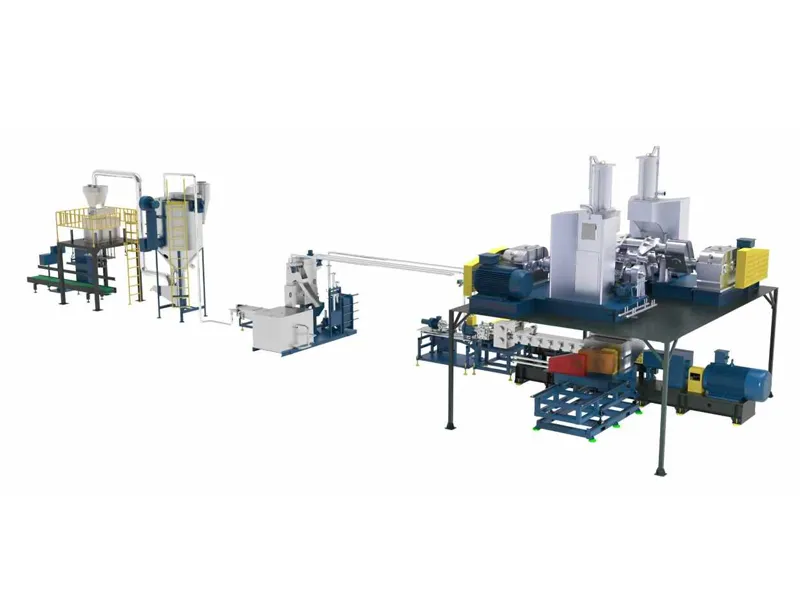
Types of Fiber Spinning Machine

The Advantages of Fiber Spinning Machines in Manufacturing

Fiber spinning machines offer several advantages in the manufacturing process, making them a crucial tool in the textile industry. Here are four key advantages of fiber spinning machines:


  • Increased Efficiency: Fiber spinning machines enable high-speed and continuous production of fibers. They can process large quantities of raw materials, such as polymers or natural fibers, into yarn or filament form. This high production rate improves overall manufacturing efficiency and reduces production time, allowing businesses to meet market demands more effectively.


  • Versatility in Fiber Types: Fiber spinning machines can handle a wide range of fiber types, including natural fibers like cotton or wool, as well as synthetic fibers like polyester or nylon. This versatility allows manufacturers to produce a diverse range of textiles with different properties, such as strength, elasticity, or moisture-wicking capabilities. It provides flexibility in meeting various customer requirements and market trends.


  • Consistent Quality: Fiber spinning machines ensure consistent and uniform fiber production. They control parameters such as fiber diameter, tensile strength, and elongation, resulting in consistent yarn or filament quality. This consistency is crucial for textile manufacturers, as it ensures the final product's performance and durability, meeting customer expectations and reducing product defects.


  • Cost-effectiveness: Fiber spinning machines offer cost advantages in terms of raw material utilization and energy efficiency. They can process raw materials with minimal waste, reducing material costs. Additionally, modern spinning machines incorporate energy-saving features, optimizing power consumption and reducing operational costs. These cost-effective benefits contribute to the overall profitability of textile manufacturing businesses.


In conclusion, fiber spinning machines provide increased efficiency, versatility in fiber types, consistent quality, and cost-effectiveness in the manufacturing process. These advantages make them indispensable tools for textile manufacturers, enabling them to produce high-quality textiles efficiently and competitively.

Fiber Spinning Machines and the Production of High-performance Fibers

Fiber spinning machines play a crucial role in the production of high-performance fibers, which are widely used in various industries such as aerospace, automotive, and sports. Here are some key points highlighting the relationship between fiber spinning machines and the production of high-performance fibers:


  • Precise Control: Fiber spinning machines offer precise control over the spinning process, allowing manufacturers to produce fibers with specific characteristics. Parameters such as fiber diameter, molecular orientation, and crystallinity can be precisely controlled, resulting in fibers with exceptional strength, durability, and other desired properties.


  • Customization: Fiber spinning machines enable the production of customized high-performance fibers to meet specific application requirements. Manufacturers can tailor the fiber composition, structure, and properties to achieve desired performance characteristics such as high tensile strength, heat resistance, chemical resistance, or low weight.


  • Advanced Materials: Fiber spinning machines facilitate the production of advanced materials like carbon fibers, aramid fibers, and high-performance polymeric fibers. These materials possess exceptional properties, including high strength-to-weight ratio, excellent thermal stability, and resistance to extreme conditions. Such fibers find applications in industries where performance and reliability are critical.


  • Innovation and Research: Fiber spinning machines are essential tools for researchers and innovators in the field of high-performance fibers. They enable the development and testing of new fiber formulations, spinning techniques, and fiber architectures. This continuous innovation drives advancements in high-performance fiber technology, leading to the discovery of new materials and improved fiber properties.


In summary, fiber spinning machines provide the necessary capabilities for the production of high-performance fibers. Their precise control, customization options, and ability to process advanced materials contribute to the development of fibers with exceptional properties. These high-performance fibers find applications in industries where strength, durability, and reliability are paramount, driving innovation and technological advancements.

The Importance of Fiber Spinning Machine Maintenance and Upkeep

Proper maintenance and upkeep of fiber spinning machines are crucial for ensuring their optimal performance and longevity. Here are some key reasons highlighting the importance of regular maintenance:


  • Equipment Reliability: Regular maintenance helps identify and address potential issues before they escalate into major problems. By conducting routine inspections, cleaning, and lubrication, operators can prevent unexpected breakdowns and minimize production downtime. This ensures that the fiber spinning machine operates reliably, reducing the risk of costly repairs and production delays.


  • Quality Control: Fiber spinning machines require precise control and calibration to produce fibers with consistent quality. Regular maintenance helps ensure that the machine is operating within the specified parameters, such as temperature, pressure, and speed. This helps maintain the desired fiber properties and prevents variations in product quality, meeting customer expectations and reducing waste.


  • Safety: Fiber spinning machines involve complex mechanical and electrical components. Regular maintenance helps identify and address any safety hazards, such as worn-out parts, loose connections, or malfunctioning safety features. Ensuring the machine is in proper working condition reduces the risk of accidents or injuries to operators and other personnel.


  • Cost Savings: Proper maintenance can lead to cost savings in the long run. By addressing minor issues promptly, operators can prevent major breakdowns that require expensive repairs or replacement of critical components. Additionally, well-maintained machines operate more efficiently, reducing energy consumption and lowering operational costs.


  • Machine Longevity: Fiber spinning machines are significant investments for manufacturers. Regular maintenance and upkeep help extend the machine’s lifespan, maximizing the return on investment. By following manufacturer-recommended maintenance schedules and practices, operators can minimize wear and tear, prolonging the machine’s operational life.


In conclusion, regular maintenance and upkeep of fiber spinning machines are essential for ensuring equipment reliability, maintaining product quality, ensuring safety, achieving cost savings, and prolonging machine longevity. By prioritizing maintenance, manufacturers can optimize the performance of their fiber spinning machines and enhance overall operational efficiency.

JWELL will meet your needs as much as possible. Don't hesitate to contact us now.
Contact Us