Jwell Machinery
Jwell Machinery

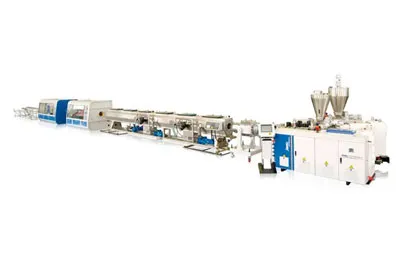
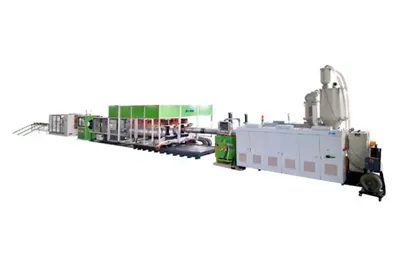
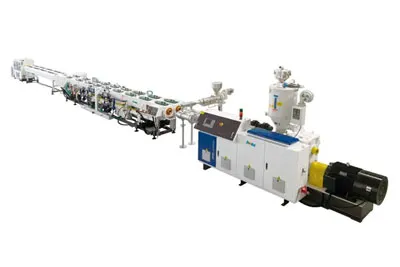
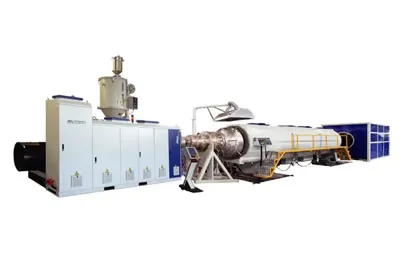
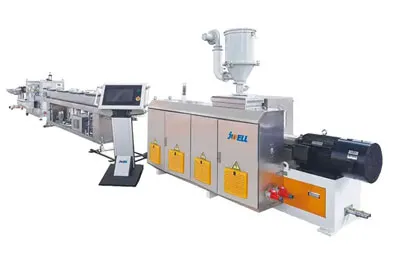
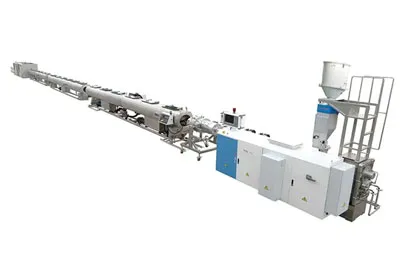
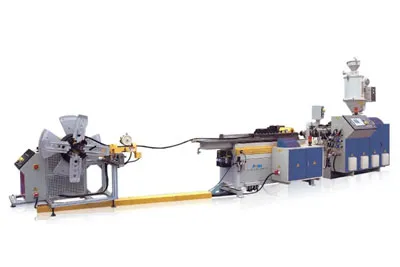
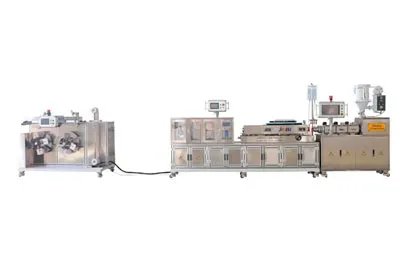
Pipe extrusion lines are specialized manufacturing systems designed to produce a variety of pipes with different materials, sizes, and applications. These lines can produce pipes for various industries, including plumbing, irrigation, drainage, and electrical conduit systems. Pipe extrusion lines can handle different materials such as PVC, PE, PP, and PPR, allowing for the production of pipes with different properties, such as flexibility, durability, and chemical resistance. The versatility of pipe extrusion lines makes them essential in meeting the diverse needs of the piping industry.


Types of Plastic Pipe Extrusion Line Reword

Advantages of Plastic Pipe Extrusion Line Reword

Pipe extrusion lines offer several advantages in the production of pipes. Here are four key advantages:


  • Cost-effective production: Pipe extrusion lines enable cost-effective production due to their high efficiency and automation capabilities. These lines can produce pipes in a continuous process, minimizing labor costs and reducing production time. Additionally, the use of raw materials in pellet or powder form allows for better material utilization and waste reduction, further enhancing cost-effectiveness.


  • Versatile pipe production: Pipe extrusion lines are highly versatile and can produce pipes of various sizes, shapes, and materials. Whether it's PVC, HDPE, PP, or other thermoplastic materials, these lines can handle a wide range of materials, allowing for the production of pipes suitable for different applications such as plumbing, irrigation, drainage, and industrial purposes.


  • Consistent quality and performance: With precise control over the extrusion process, pipe extrusion lines ensure consistent quality and performance of the produced pipes. The lines are equipped with advanced control systems that monitor and adjust parameters such as temperature, pressure, and speed, ensuring uniformity in wall thickness, diameter, and overall product quality. This consistency is crucial for meeting industry standards and customer requirements.


  • Energy efficiency and sustainability: Pipe extrusion lines have made significant advancements in energy efficiency, reducing energy consumption during the production process. Additionally, the use of recycled materials in the form of regrind or reclaimed materials can be incorporated into the extrusion process, promoting sustainability and reducing the environmental impact of pipe production.


Overall, pipe extrusion lines offer cost-effective production, versatility in pipe manufacturing, consistent quality, and sustainability, making them a preferred choice for the production of pipes in various industries.

Components and Working Principles of Plastic Pipe Extrusion Line Reword

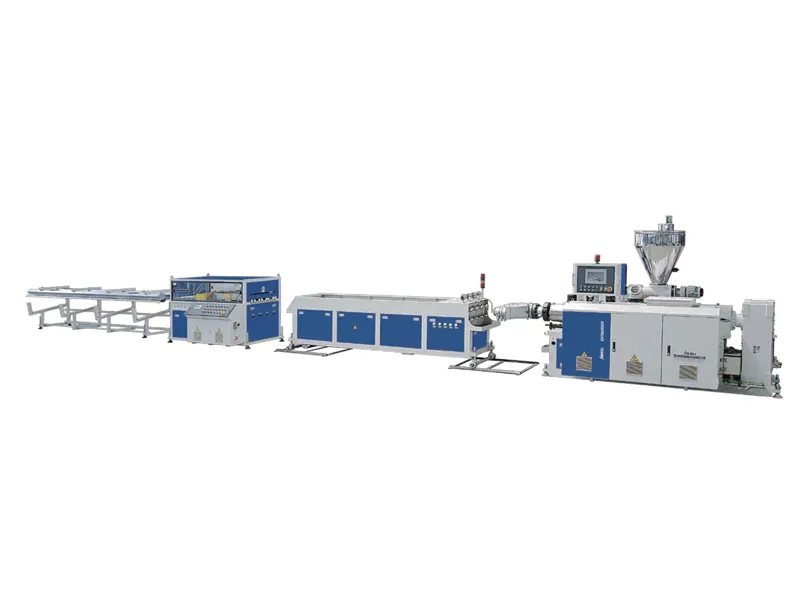
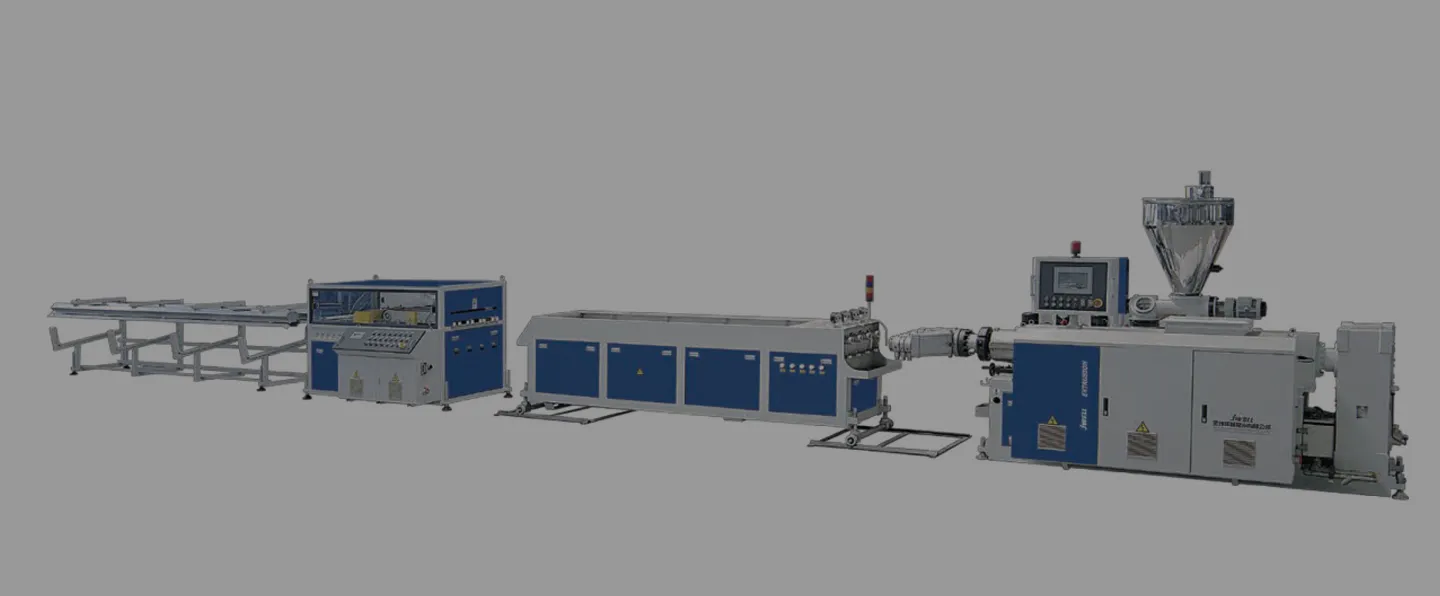
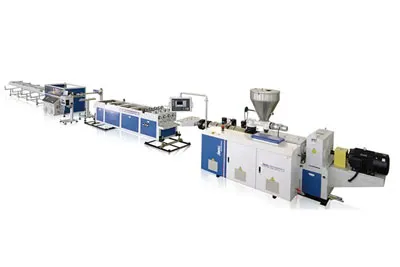
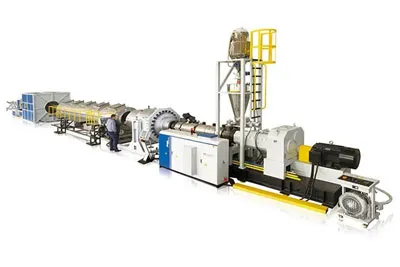
Pipe extrusion lines consist of several key components that work together to produce high-quality pipes. Here are the main components and their working principles:


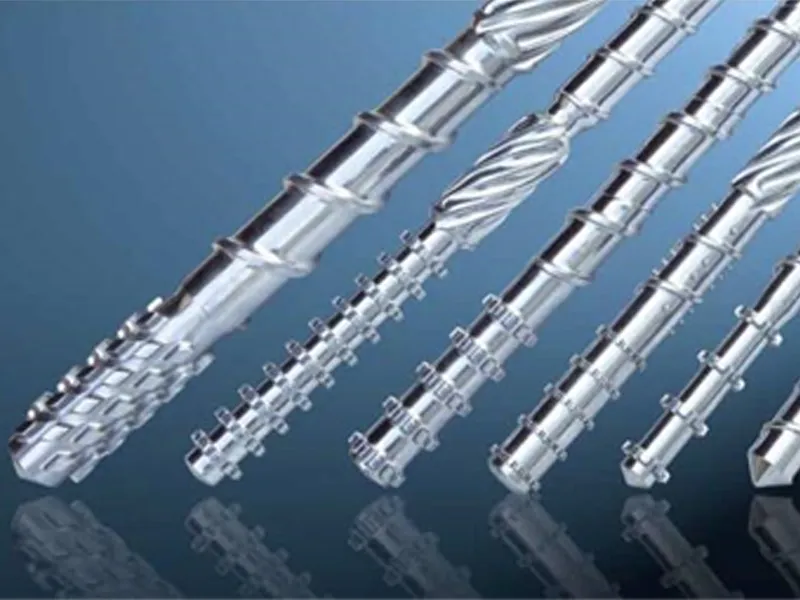
  • Extruder: The extruder is the heart of the pipe extrusion line. It consists of a screw and barrel assembly. The screw rotates within the barrel, melting and conveying the plastic material. The plastic material is fed into the extruder hopper, where it is gradually heated and compressed by the rotating screw. The heat generated by the barrel and the friction of the screw melt the plastic, transforming it into a molten state.


  • Die Head: The die head is responsible for shaping the molten plastic into the desired pipe profile. It consists of a specially designed opening that determines the shape and size of the pipe. The molten plastic is forced through the die head, which imparts the desired dimensions and characteristics to the pipe. The die head also incorporates a cooling system to rapidly cool and solidify the molten plastic as it exits the die.


  • Calibration and Cooling System: After exiting the die head, the newly formed pipe passes through a calibration and cooling system. This system consists of a series of sizing sleeves or vacuum tanks that control the outer diameter and shape of the pipe. The cooling system uses water or air to rapidly cool the pipe, ensuring dimensional stability and preventing deformation.


  • Haul-off Unit: The haul-off unit is responsible for pulling the pipe at a constant speed from the extruder. It consists of a set of caterpillar-like belts or rollers that grip the pipe and provide the necessary pulling force. The speed of the haul-off unit is synchronized with the extruder to maintain a consistent production rate.


  • Cutting and Stacking System: Once the pipe reaches the desired length, it is cut to size by a cutting system, which can be a saw or a guillotine cutter. The cut pipes are then stacked or coiled for further processing or packaging.


These components work together in a synchronized manner to ensure the efficient and precise production of pipes. The extruder melts and conveys the plastic material, the die head shapes the molten plastic, the calibration and cooling system ensures dimensional stability, the haul-off unit pulls the pipe, and the cutting and stacking system finishes the process. By optimizing each component's performance, pipe extrusion lines can produce high-quality pipes for various applications.

Key Considerations for Choosing a Plastic Pipe Extrusion Line Reword

Choosing the right pipe extrusion line is crucial for ensuring efficient and high-quality pipe production. Here are some key considerations to keep in mind when selecting a pipe extrusion line:


Pipe Specifications: Consider the specific requirements of the pipes you intend to produce. This includes factors such as pipe diameter, wall thickness, material type (e.g., PVC, HDPE, PP), and intended application. Ensure that the extrusion line you choose can accommodate the desired pipe specifications and has the necessary capabilities to meet your production needs.


Production Capacity: Evaluate the required production capacity of your pipe extrusion line. Consider factors such as the desired output in terms of pipe length or weight per unit of time. Ensure that the extrusion line can meet your production targets and has the necessary speed and efficiency to maintain consistent output.


Quality and Consistency: Look for a pipe extrusion line that can consistently produce high-quality pipes. Consider the precision and control offered by the line's components, such as the extruder, die head, calibration system, and cooling system. Look for features like advanced temperature and pressure control, uniform cooling, and precise dimensional control to ensure consistent pipe quality.


Energy Efficiency: Energy consumption is a significant factor in the overall cost of pipe production. Look for an extrusion line that incorporates energy-efficient components and features, such as efficient motors, insulation, and heat recovery systems. Energy-efficient lines can help reduce operating costs and minimize environmental impact.


Maintenance and Service: Consider the availability of spare parts, technical support, and maintenance services for the extrusion line. Look for a reputable manufacturer or supplier that offers reliable after-sales support, including training, troubleshooting assistance, and quick access to spare parts. This ensures minimal downtime and efficient operation of the extrusion line.


Cost and Return on Investment: Evaluate the overall cost of the extrusion line, including the initial investment, operating costs, and potential return on investment. Consider factors such as the expected lifespan of the equipment, maintenance requirements, and the potential for future upgrades or expansion. Balance the upfront cost with the long-term benefits and potential profitability of the extrusion line.


By carefully considering these factors, you can choose a pipe extrusion line that meets your specific requirements, ensures high-quality production, and provides a favorable return on investment.

JWELL will meet your needs as much as possible. Don't hesitate to contact us now.
Contact Us