Jwell Machinery
Jwell Machinery

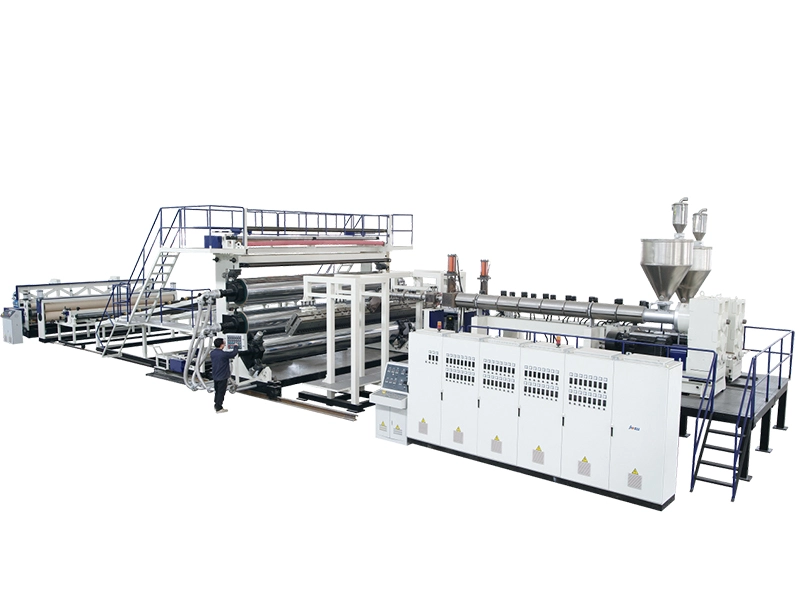
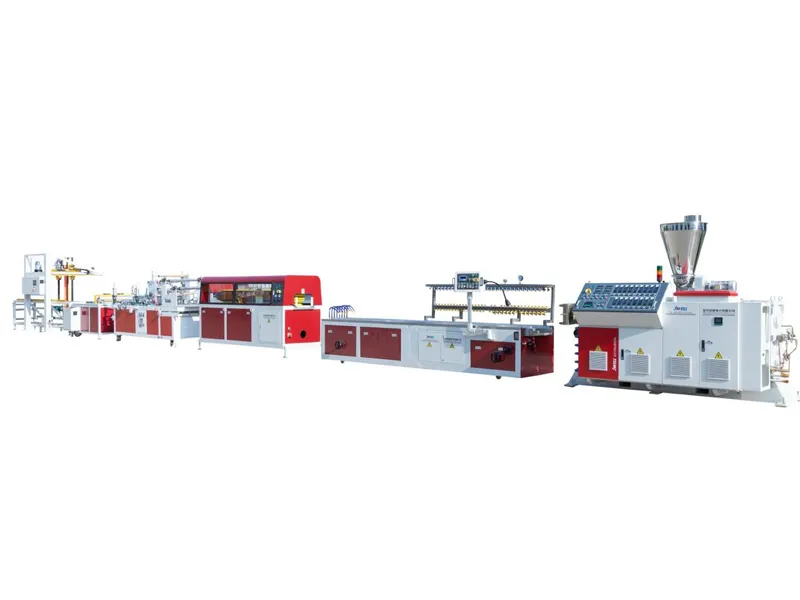
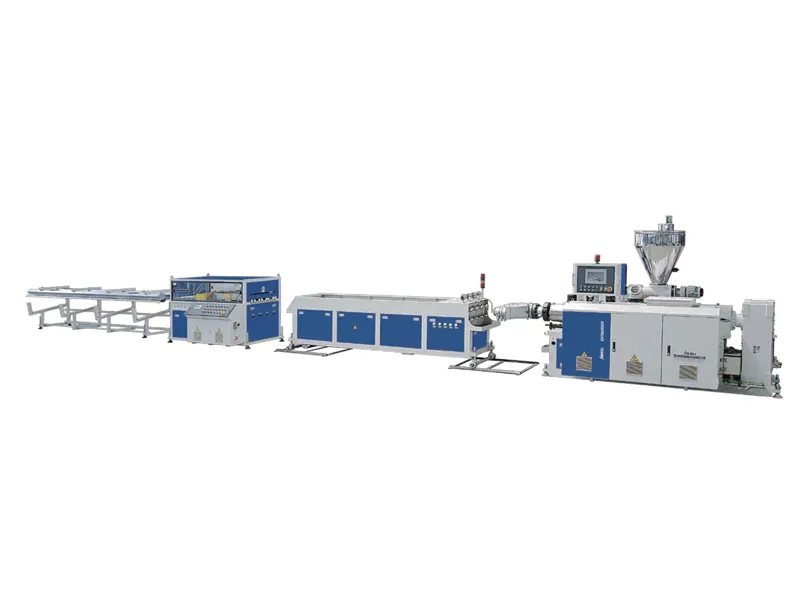
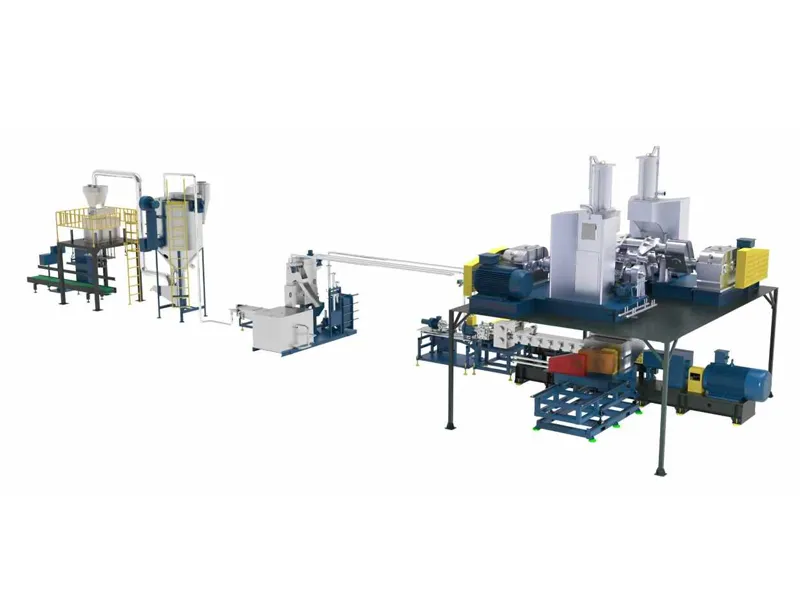
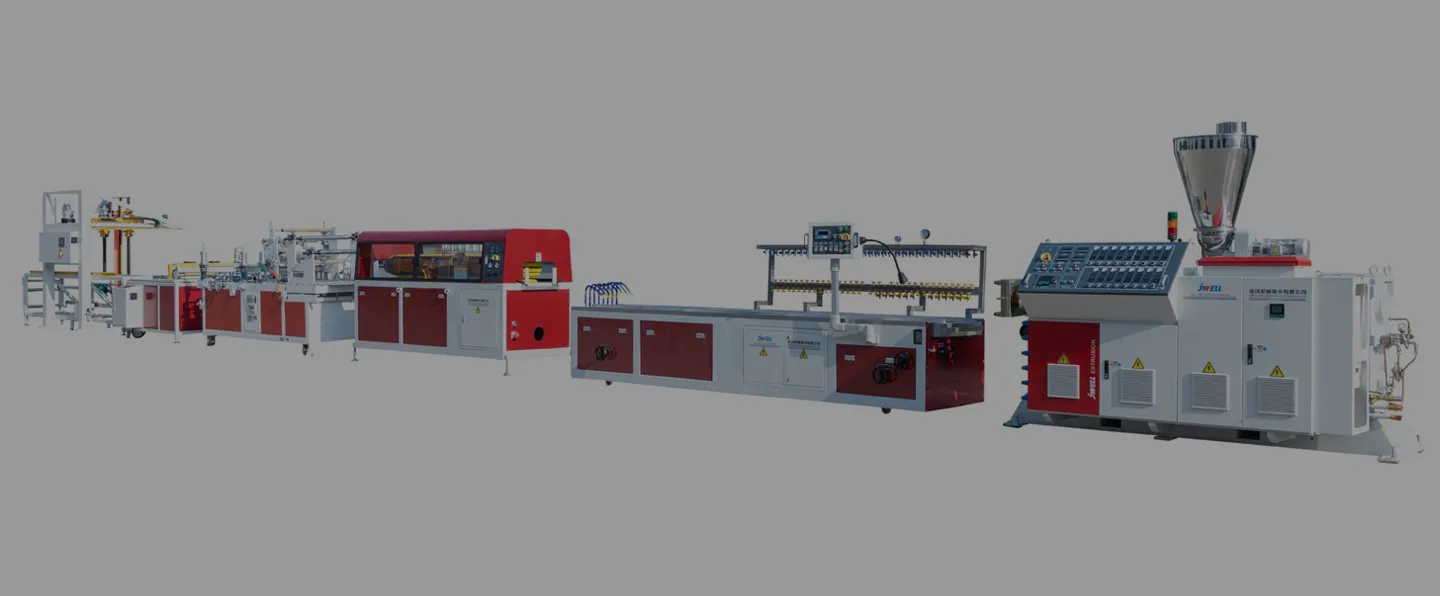
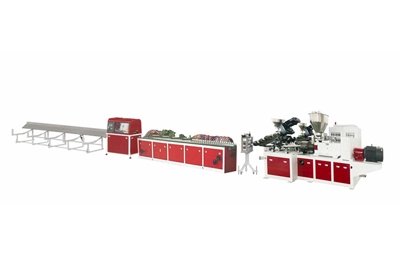
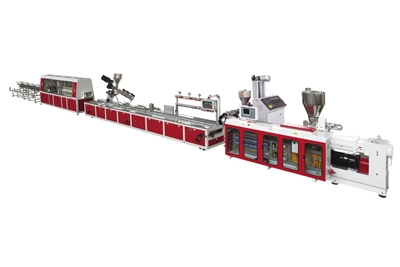
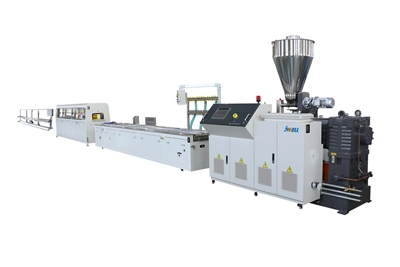
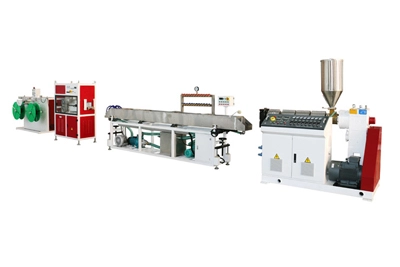
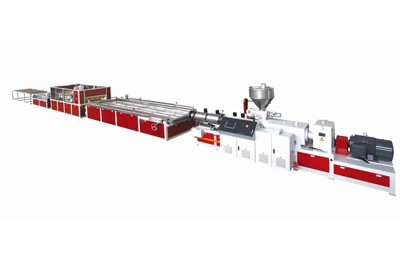
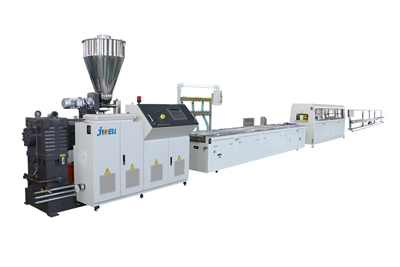
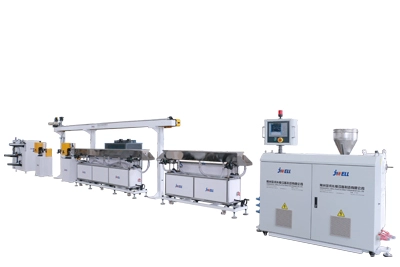
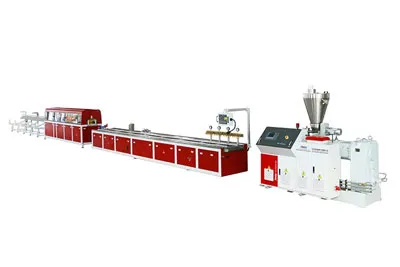
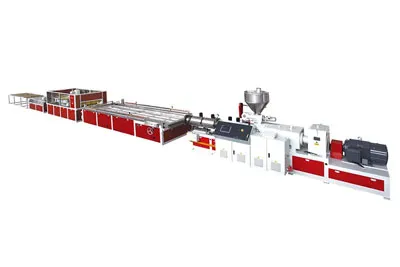
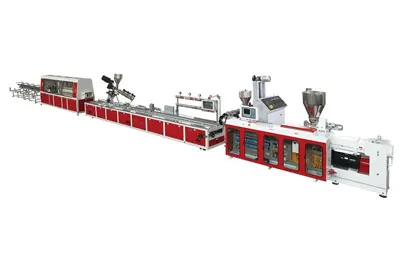
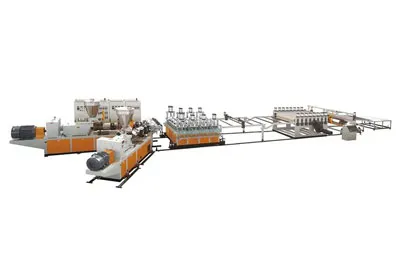
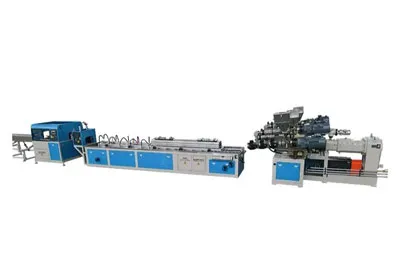
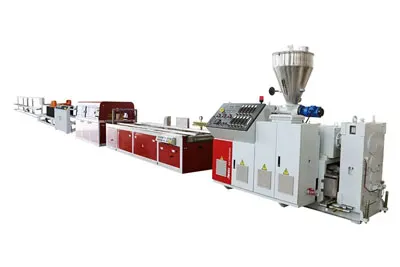
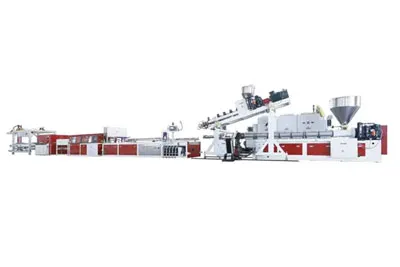
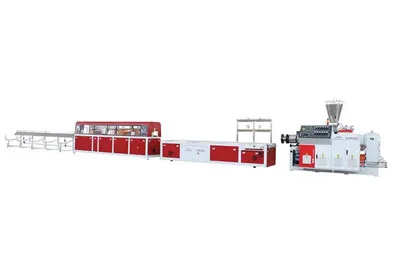
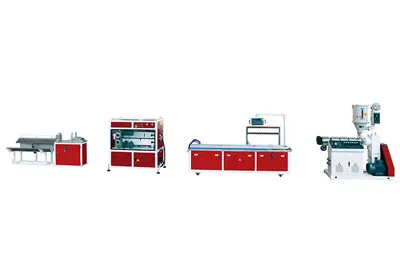
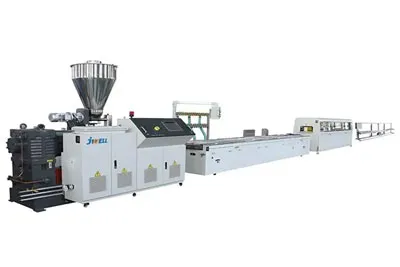
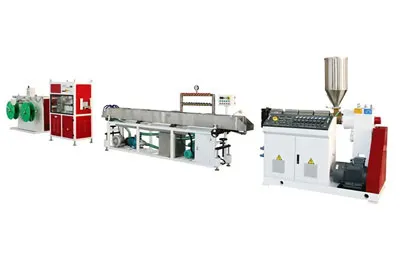
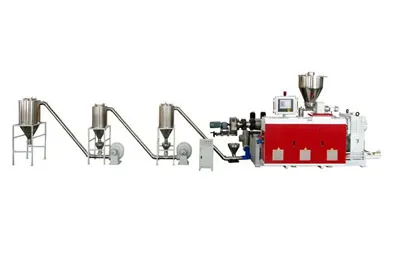
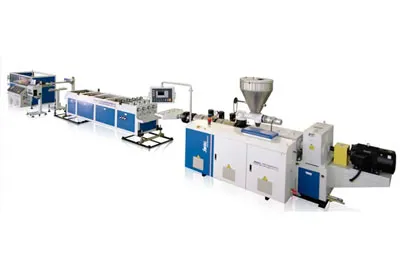
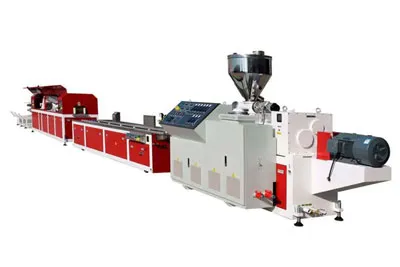
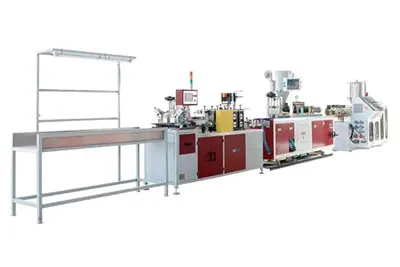
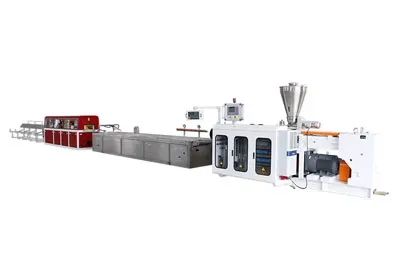
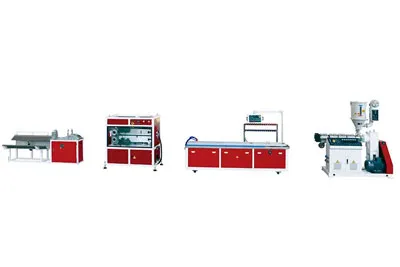
Plastic profile extrusion lines are versatile manufacturing systems that produce a wide range of plastic profiles with various shapes, sizes, and applications. These profiles can include window and door frames, piping systems, electrical conduits, automotive trims, furniture components, and more. The flexibility of plastic profile extrusion lines allows for customization and adaptation to meet the specific needs of different industries and applications.


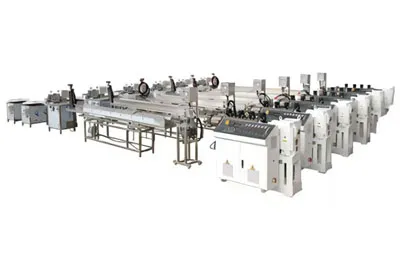
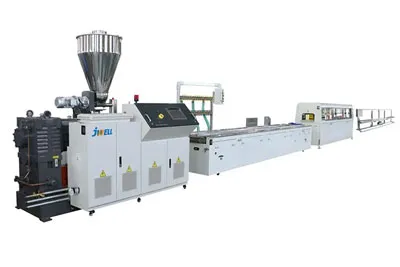
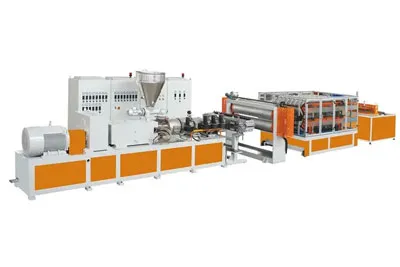
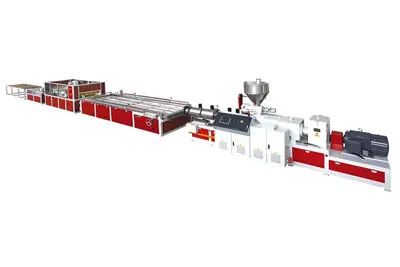
Types of Plastic Profile Extrusion Line

Understanding the Process of Plastic Profile Extrusion

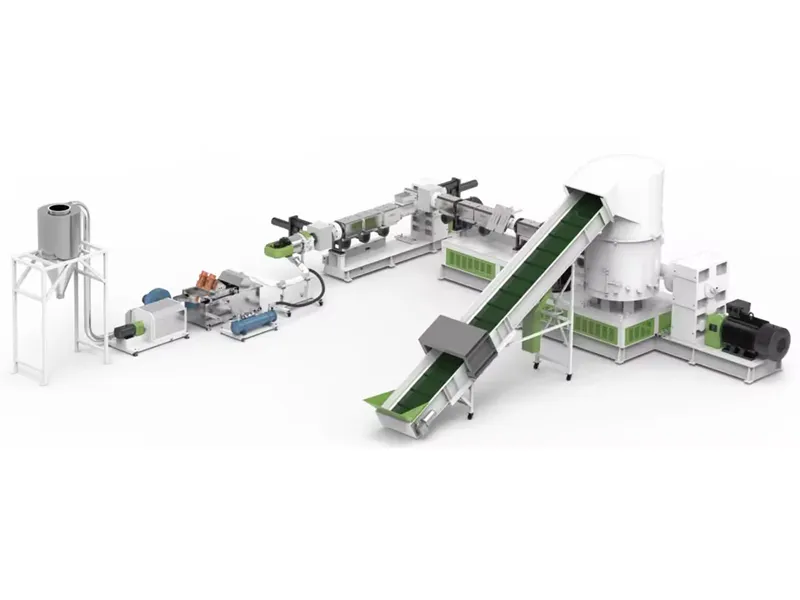
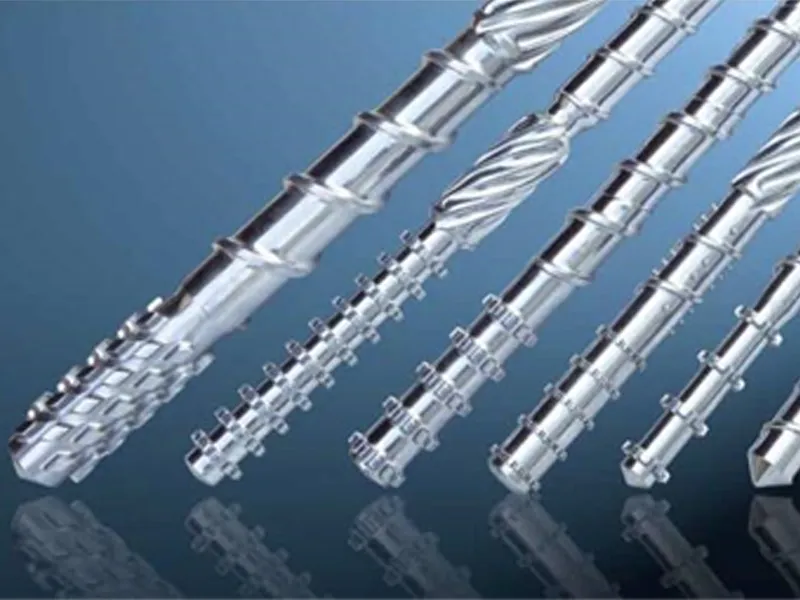
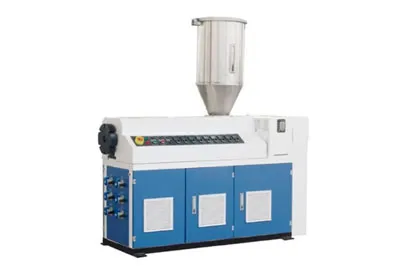
Plastic profile extrusion is a manufacturing process used to create continuous lengths of plastic profiles with a desired cross-sectional shape. The process involves feeding plastic material, typically in the form of pellets or granules, into an extruder. The extruder consists of a heated barrel with a rotating screw that melts and mixes the plastic material.


As the plastic material is pushed through the extruder, it is forced through a die, which determines the shape and size of the profile. The die is a specially designed tool with an opening that matches the desired profile shape. The molten plastic is then cooled and solidified as it exits the die.


To ensure consistent and accurate profile dimensions, the extrusion line may include additional components such as calibration tables, cooling tanks, and pullers. These components help to control the cooling process and maintain the desired shape and dimensions of the profile.


Plastic profile extrusion offers numerous advantages, including cost-effectiveness, versatility, and the ability to produce complex shapes. It is widely used in various industries, including construction, automotive, electrical, and furniture.


Understanding the process of plastic profile extrusion is crucial for optimizing production efficiency, ensuring product quality, and troubleshooting any issues that may arise. By controlling factors such as temperature, speed, and material properties, manufacturers can achieve consistent and high-quality plastic profiles that meet the specific requirements of their applications.

Applications and Industries Served by Plastic Profile Extrusion Lines

  • Construction industry: Plastic profile extrusion lines are widely used in the construction industry for applications such as window and door frames, roofing materials, wall panels, and piping systems.

  • Automotive industry: Plastic profiles produced by extrusion lines are used in various automotive components, including trim and molding, weatherstripping, seals, and interior and exterior decorative elements.


  • Electrical industry: Plastic profiles are used in the electrical industry for cable management systems, wire ducts, conduit pipes, and electrical enclosures.


  • Furniture industry: Plastic profiles are utilized in the furniture industry for edge banding, decorative trims, and structural components such as chair frames and table legs.

Quality Control and Inspection in Plastic Profile Extrusion

Quality control and inspection play a crucial role in ensuring the production of high-quality plastic profiles through extrusion. Here are some key aspects of quality control and inspection in plastic profile extrusion:


  • Raw material inspection: The quality control process begins with the inspection of raw materials such as plastic pellets or granules. This involves checking for consistency in color, size, and composition to ensure that the material meets the required specifications.


  • Process monitoring: Continuous monitoring of the extrusion process is essential to maintain consistent quality. This includes monitoring parameters such as temperature, pressure, screw speed, and cooling rates. Any deviations from the set parameters can be identified and corrected promptly to prevent defects.


  • Dimensional accuracy: Accurate dimensions are critical for plastic profiles to fit and function properly. Regular measurements and inspections are conducted to ensure that the profiles meet the specified tolerances. This may involve the use of precision measuring tools and gauges.


  • Visual inspection: Visual inspection is performed to identify any surface defects, such as scratches, dents, or discoloration. This can be done manually or with the help of automated systems that detect and reject profiles with visible defects.


  • Mechanical testing: Mechanical tests, such as tensile strength, impact resistance, and flexural modulus, are conducted to assess the physical properties of the plastic profiles. These tests ensure that the profiles meet the required strength and durability standards.

JWELL will meet your needs as much as possible. Don't hesitate to contact us now.
Contact Us