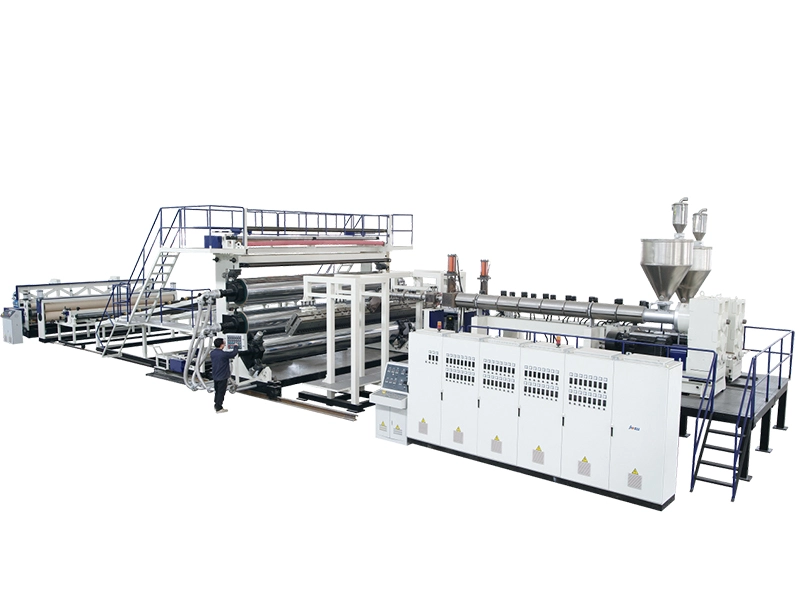
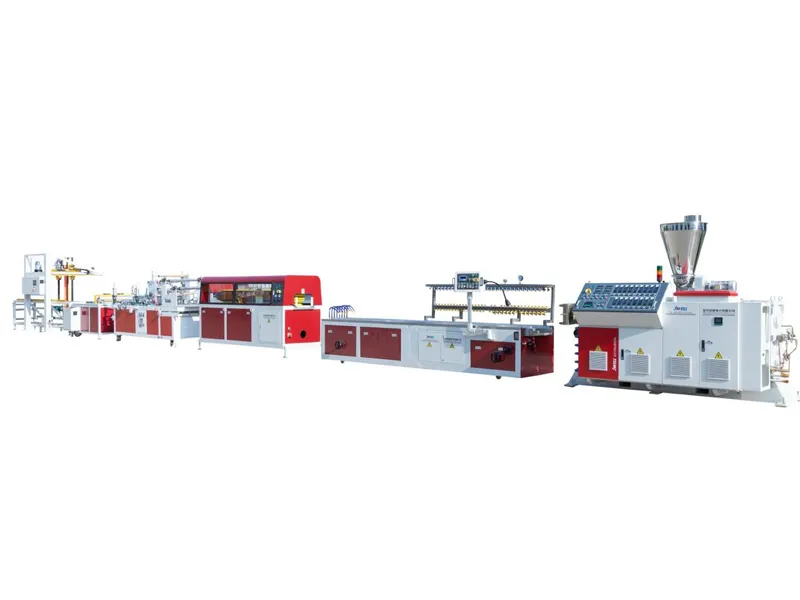
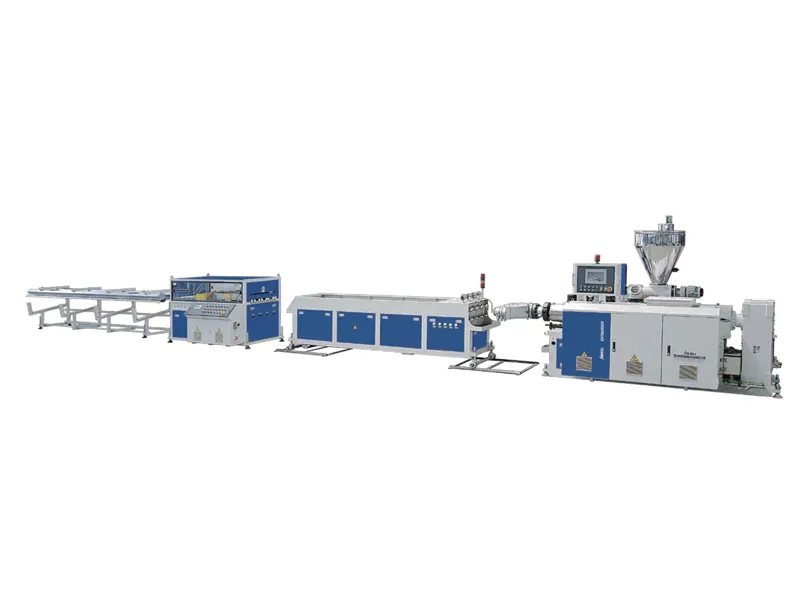
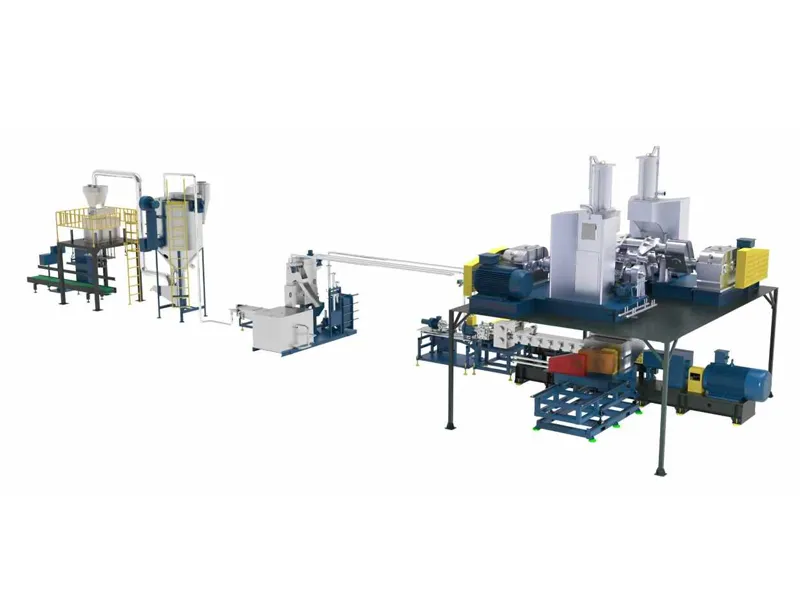
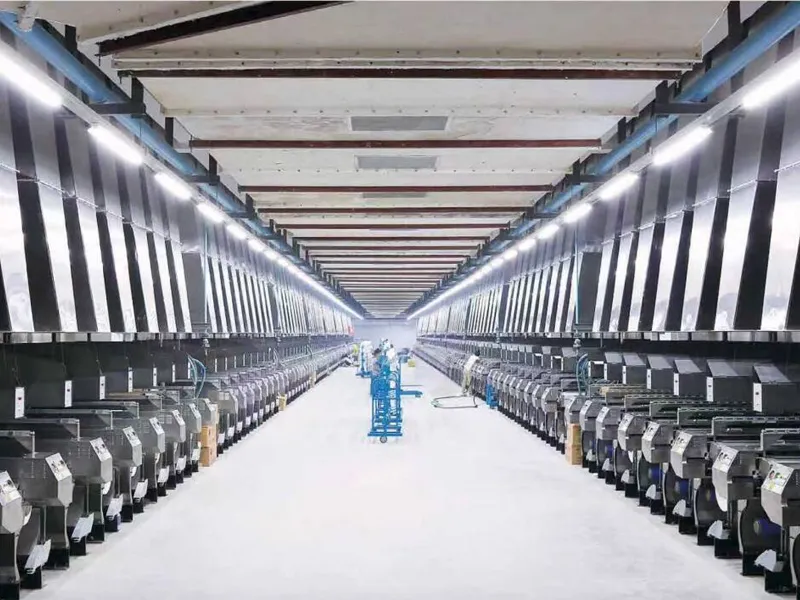
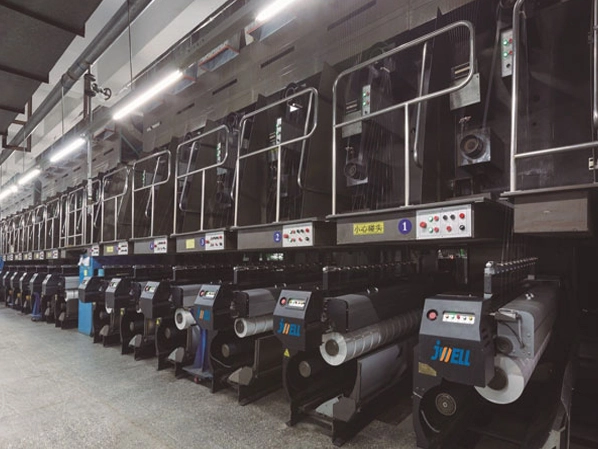
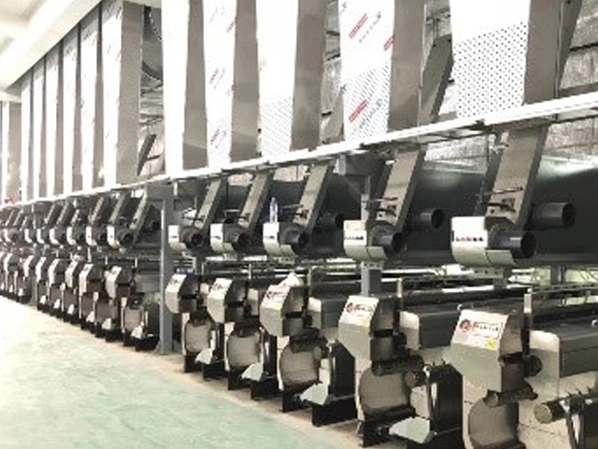
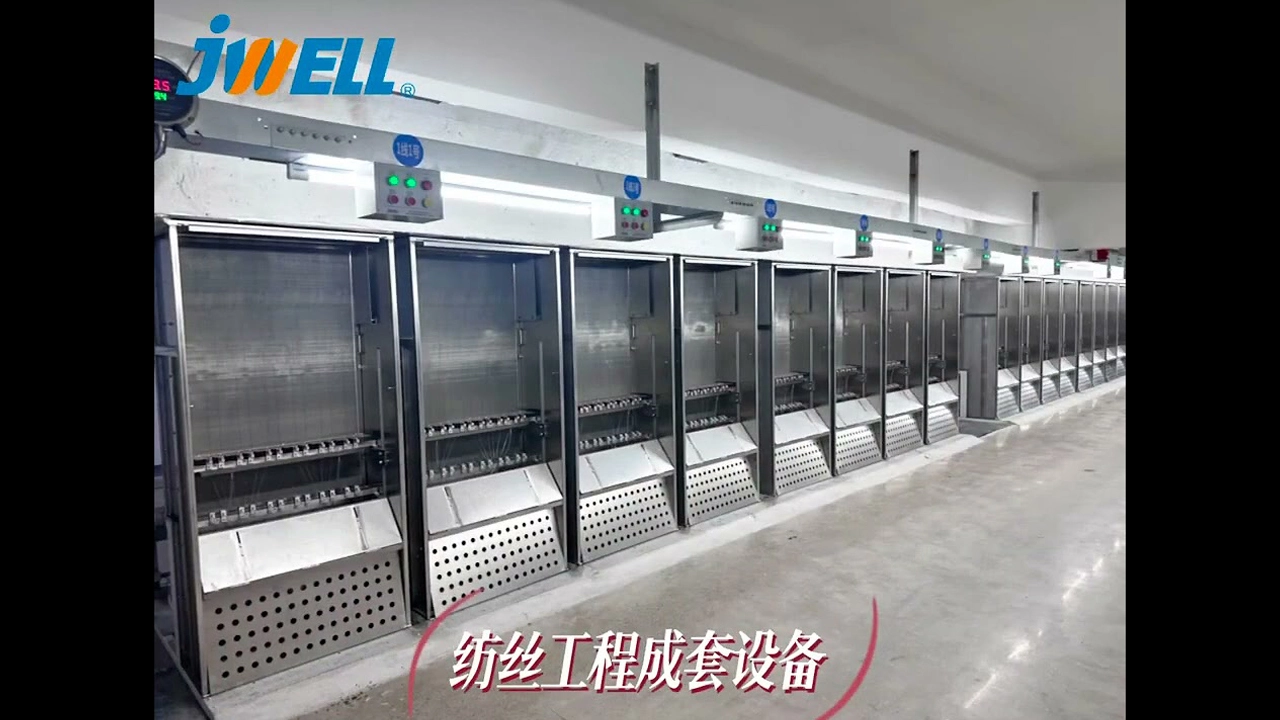
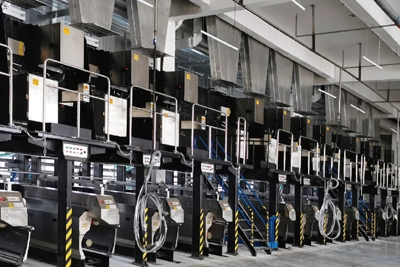
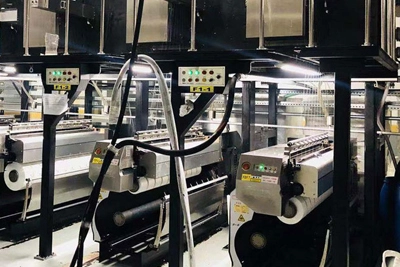
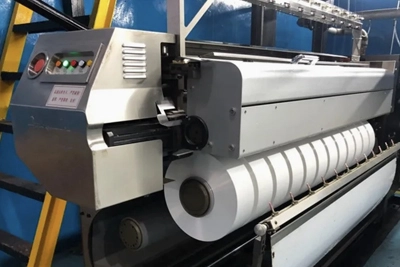
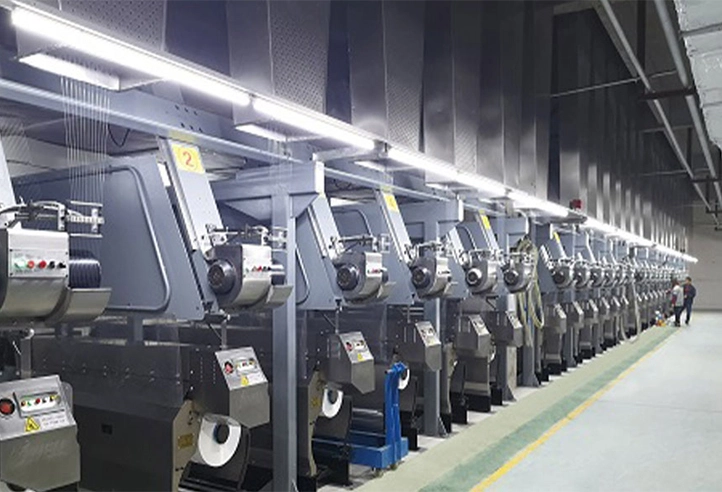
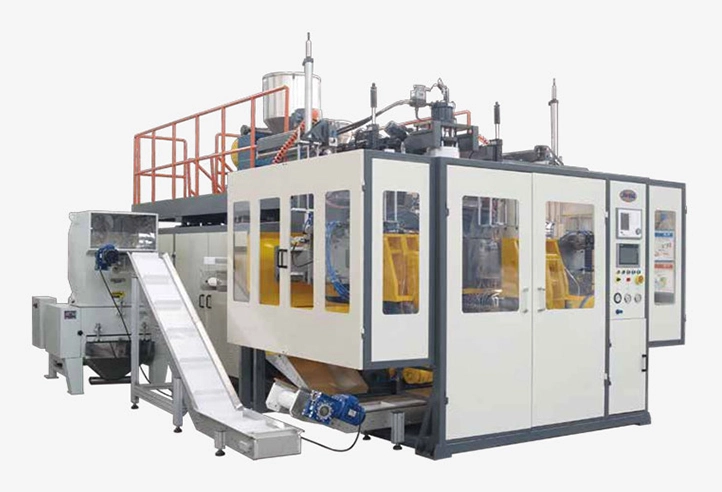
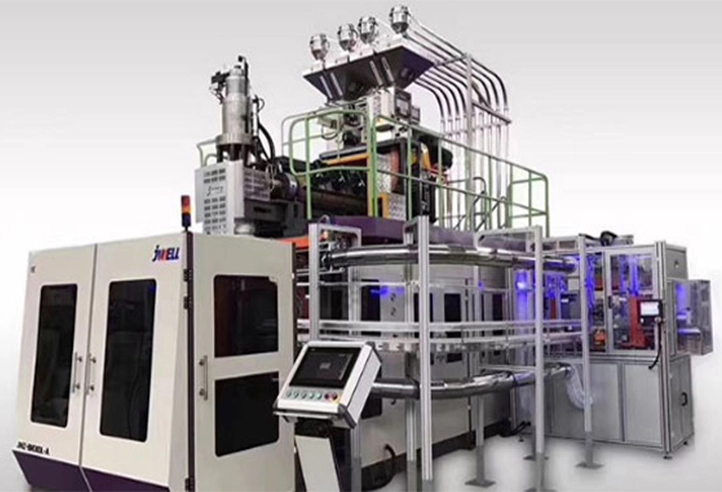
Polyester Spinning Machine Description
Materials: PET, PA6
Denier Range: 50-600 for PET, 40-70 for PA6
Process Speed: 3200 m/min for PET, 4300 m/min for PA6
Number of Positions: 6, 8, 10, 12 positions (customizable)
Number of Ends: 8, 10, 12 ends (customizable)
Winders: Fully Automatic
Grade Class Rate: Grade class rate ≥98%, First class rate ≥95%, Full package rate ≥90%
Specifications of Polyester Spinning Machine
| Origin | China |
| Brand | JWELL |
| Model | PET PA6 |
| Certifications | CE, ISO |
| Minimum Order Quantity | 1 SET |
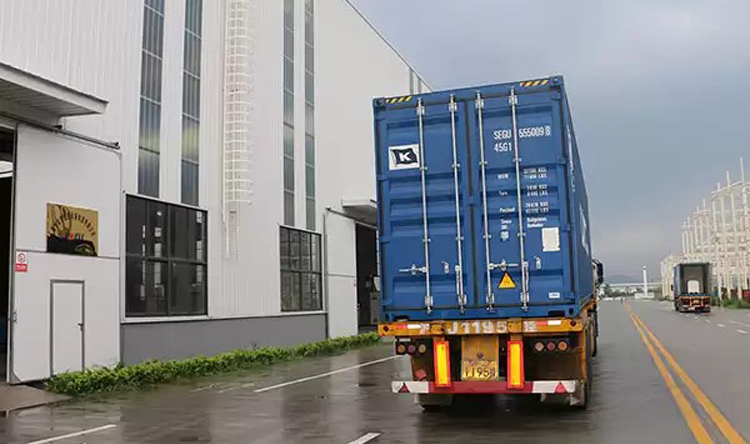
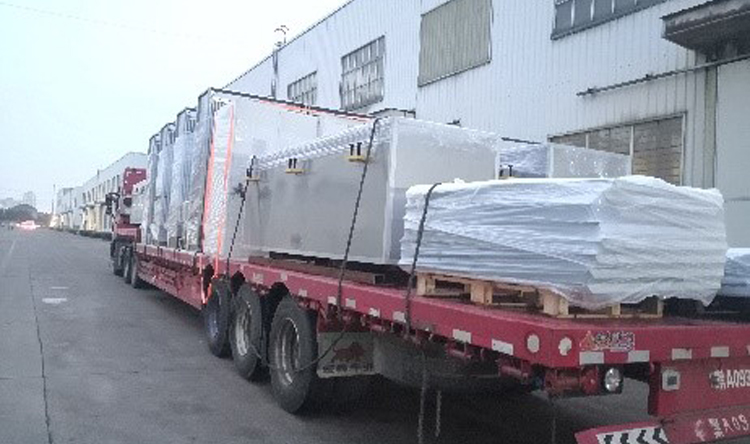
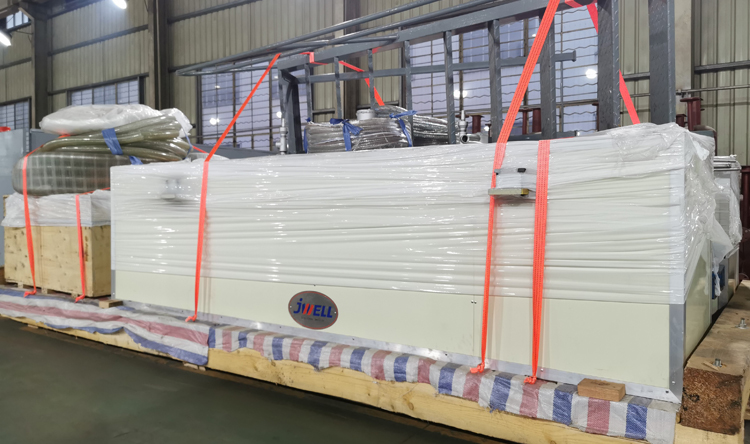
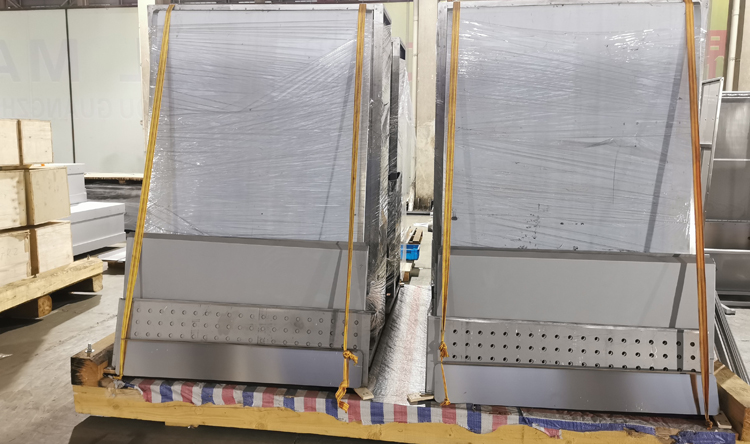
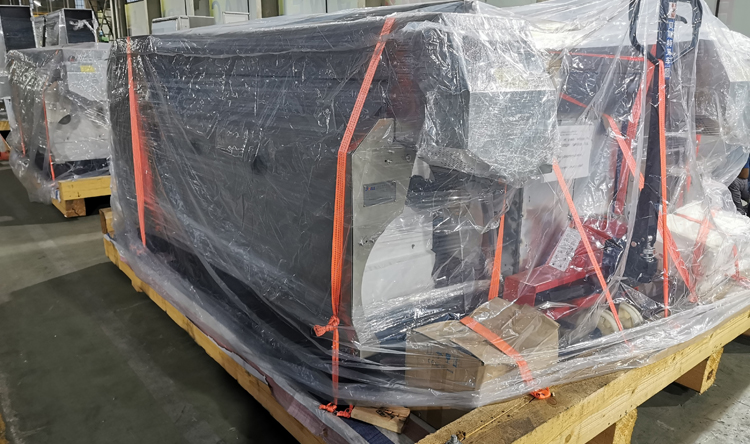
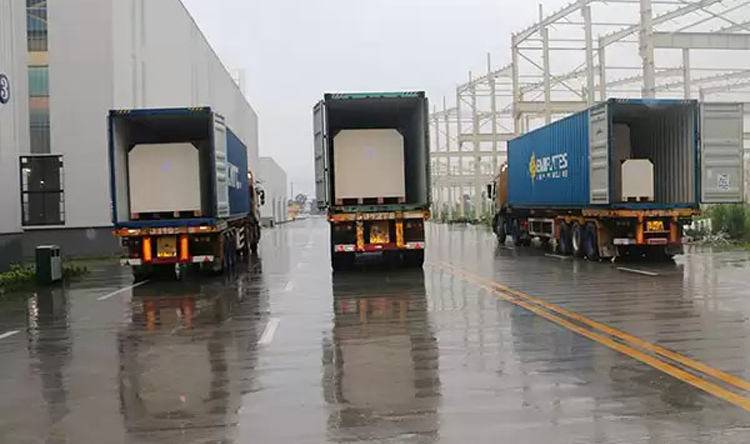
| Packaging | Wooden pallet packing |
| Delivery Time | 90 days |
| Payment Terms | TT, LC |
Application of Polyester Spinning Machine
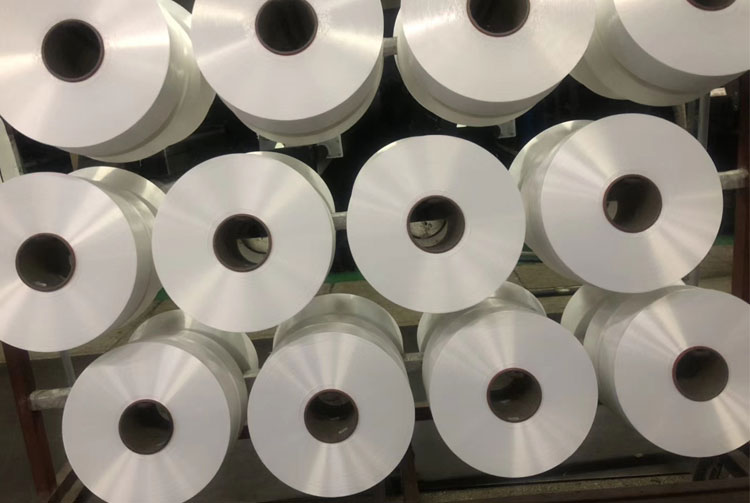
Polyester is a widely used fiber in the textile industry, known for its wrinkle resistance and ability to maintain its shape after washing, eliminating the need for ironing. It is often blended or interwoven with other fibers like cotton and wool, making it a versatile material for a variety of clothing and decorative fabrics. In addition to apparel, polyester is used in industrial applications such as conveyor belts, tents, canvas, cables, and fishing nets, with its performance closely resembling that of nylon. Polyester is also found in electrical insulation, acid-resistant filter cloths, and fabrics used in the medical industry. Due to its high strength, abrasion resistance, acid and alkali resistance, high-temperature stability, light weight, heat retention, excellent electrical insulation, and mildew resistance, polyester has become essential in numerous sectors of the national economy.
Polyester Spinning Machine Performance and Advantages
Strength: Polyester fiber is nearly twice as strong as cotton and three times stronger than wool, resulting in fabrics that are both durable and long-lasting.
Heat Resistance: Polyester can withstand temperatures ranging from -70°C to 170°C, offering superior heat resistance and thermal stability compared to other synthetic fibers.
Elasticity: With elasticity comparable to wool, polyester is highly resistant to wrinkles, ensuring fabrics maintain their shape and smooth appearance.
Abrasion Resistance: Polyester ranks second only to nylon in terms of abrasion resistance among synthetic fibers.
Water Absorption: Polyester has low moisture regain and excellent insulation properties but has poor water absorption, which can lead to high static electricity and reduced dyeing effectiveness.
Polyester Spinning Process
Polymerization: Dimethyl terephthalate reacts with ethylene glycol in the presence of a catalyst at 150-210°C, forming polyester. The process continues with the addition of terephthalic acid, raising the temperature to 280°C. The resulting transparent, molten polyester is extruded into long bands.
Drying: The polyester bands are cooled and made brittle before being cut into small pieces and thoroughly dried to ensure consistency.
Melt Spinning: The polyester chips are heated to 260-270°C, forming a syrupy solution. The solution is then extruded through spinnerets with multiple holes, which shape the fibers into filaments. The number of holes determines the yarn size.
Drawing the Fiber: The soft polyester filaments are stretched up to five times their original length. This process aligns the polyester molecules, enhancing the fiber's strength, toughness, and elasticity. After drying, the fibers become firm and resilient.
Winding: The polyester yarn is wound around bobbins or flat packages, preparing it for weaving into fabrics.
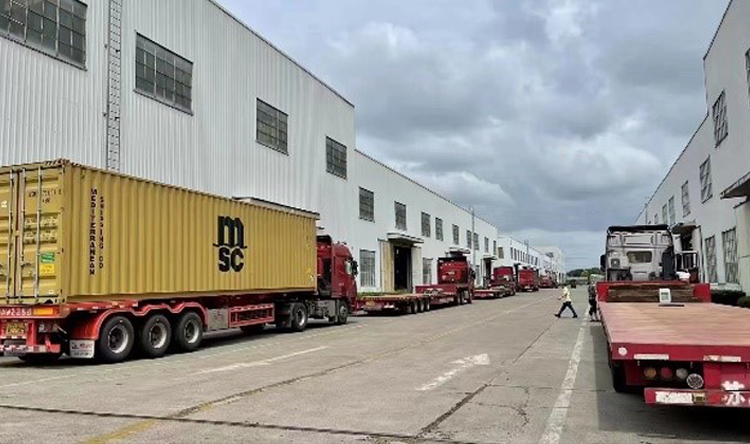
Polyester Spinning Machine Packing & Shipping
 English