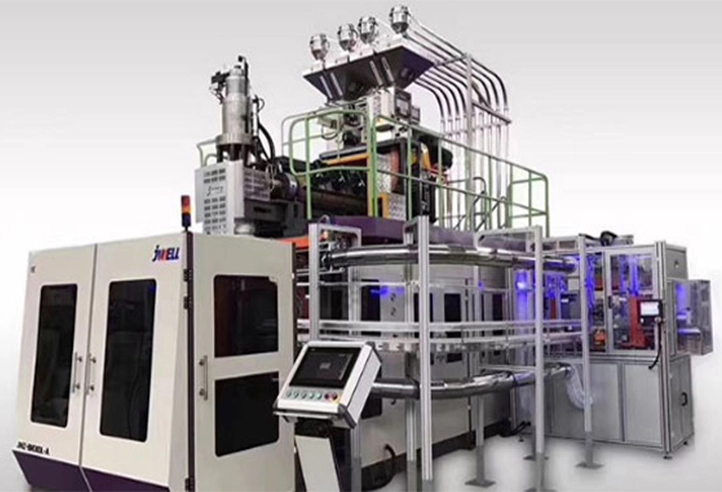
Jwell Machinery
Jwell Machinery

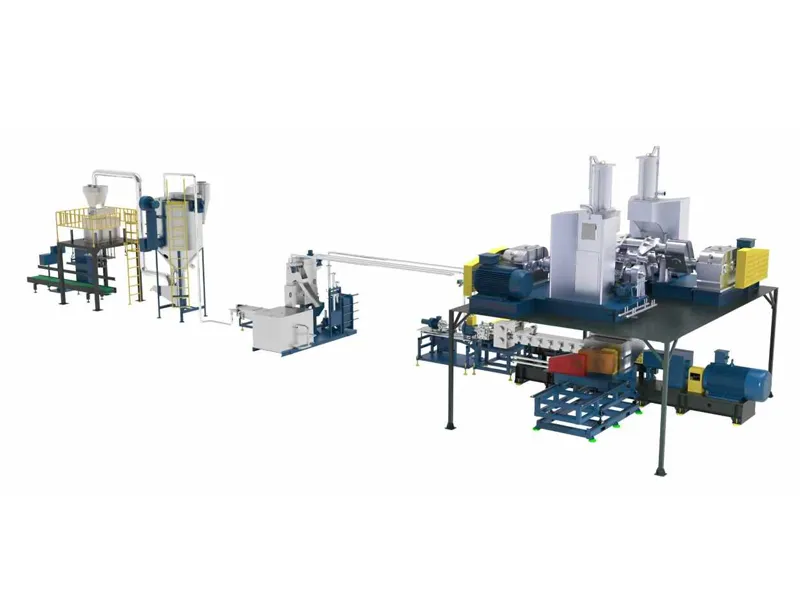
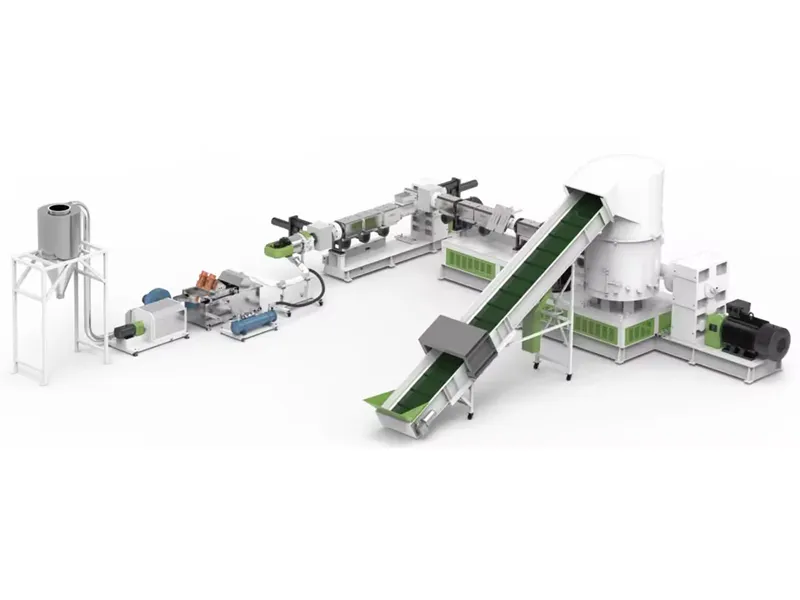
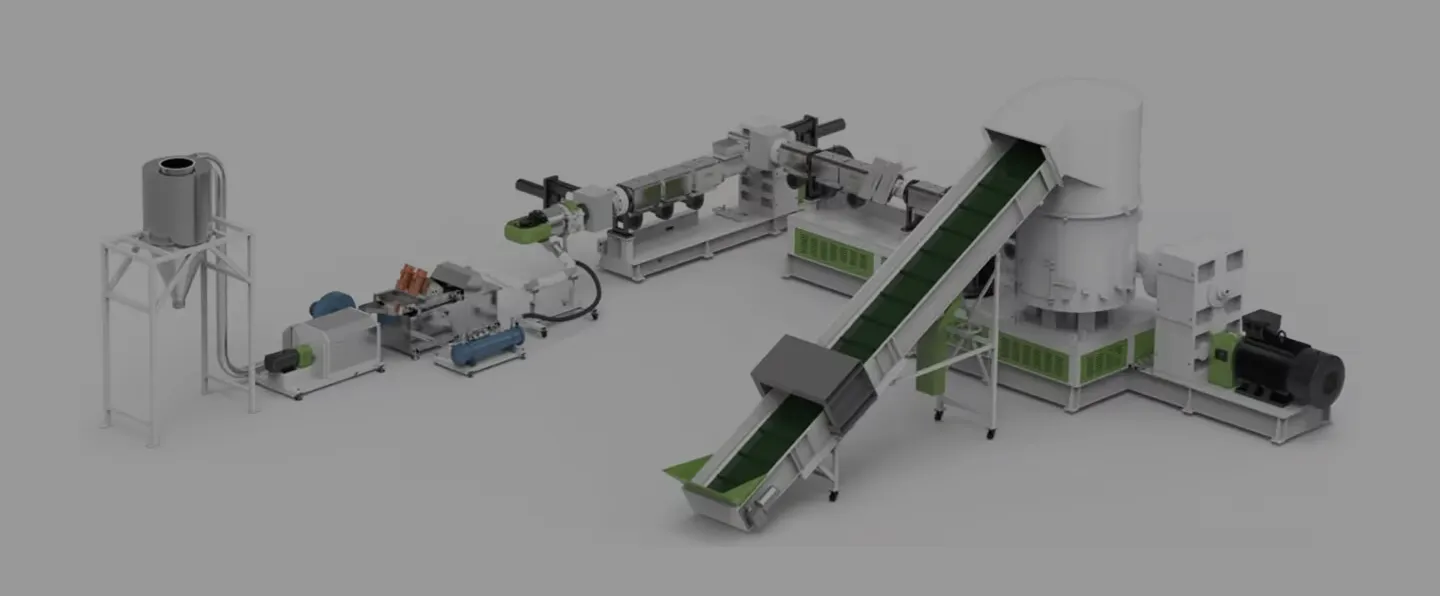
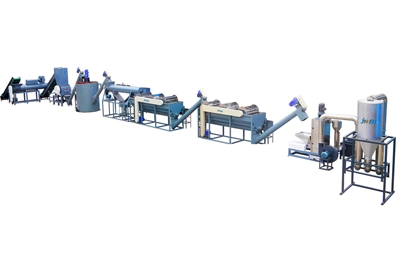
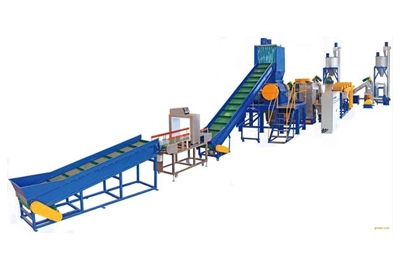
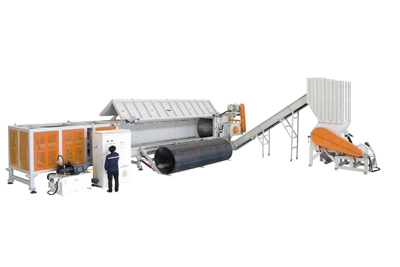
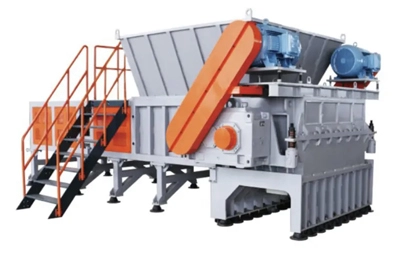
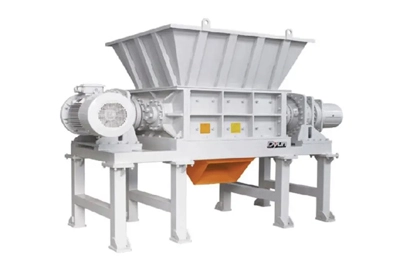
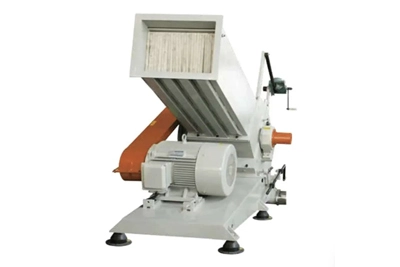
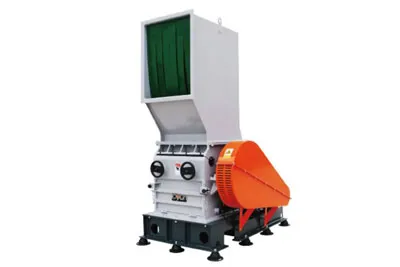
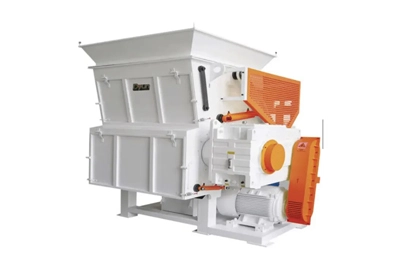
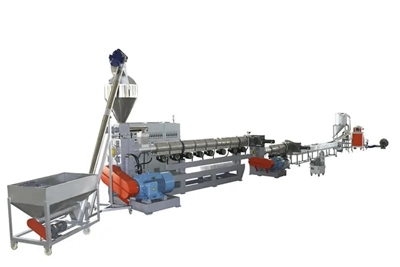
Recycling and pelletizing lines are specialized equipment used in the recycling industry to process and transform various types of waste materials into high-quality pellets. These lines can handle a wide range of recyclable materials, including plastics, rubber, paper, and metal. The recycling and pelletizing process involves shredding, sorting, washing, drying, and extruding the waste materials into uniform pellets. These pellets can then be used as raw materials in various industries, reducing the need for virgin materials and promoting sustainability. Recycling and pelletizing lines play a crucial role in waste management and resource conservation.

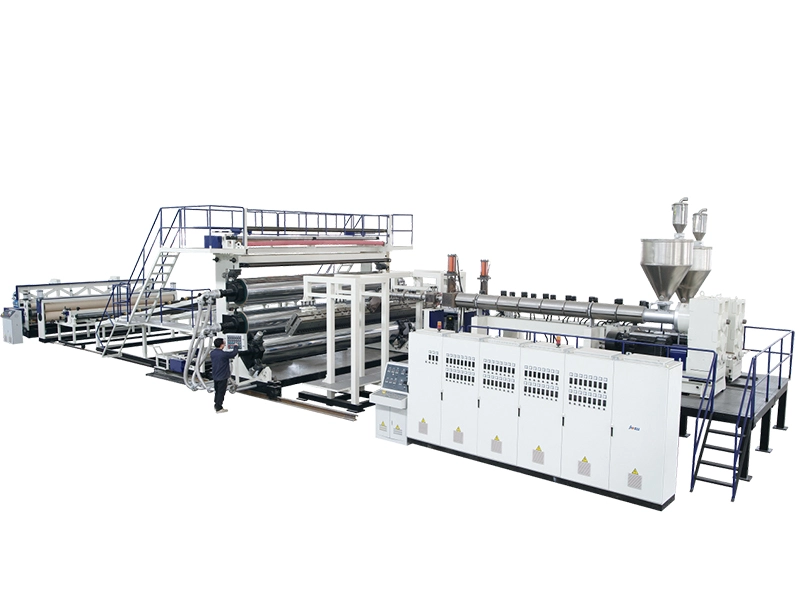
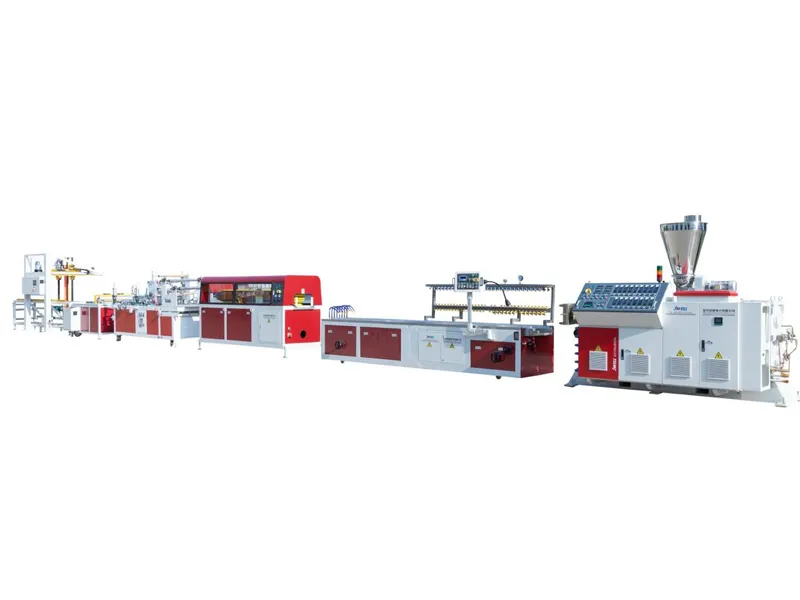
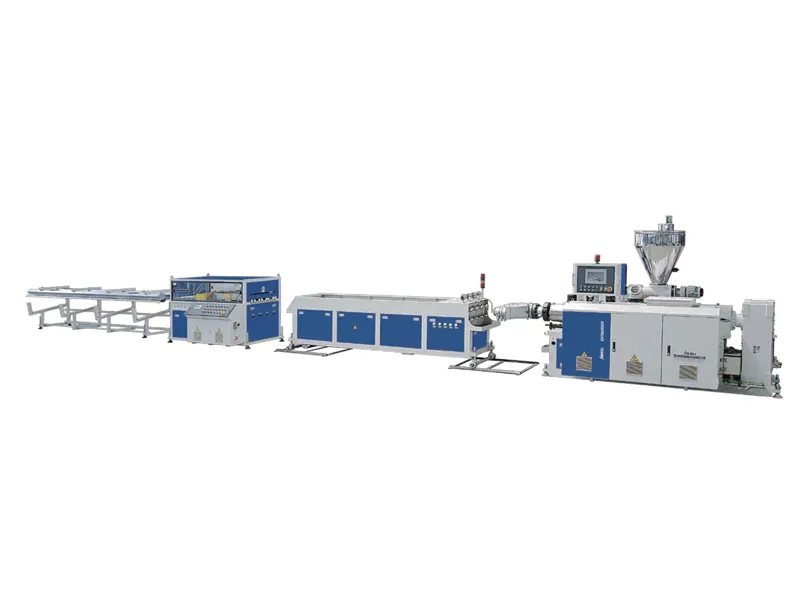
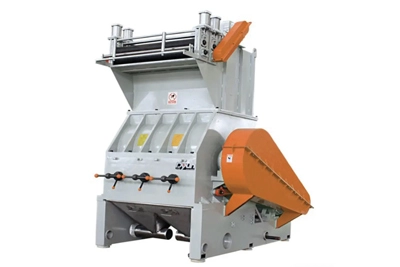
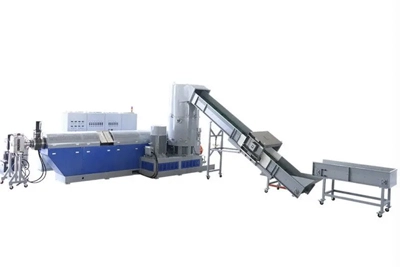
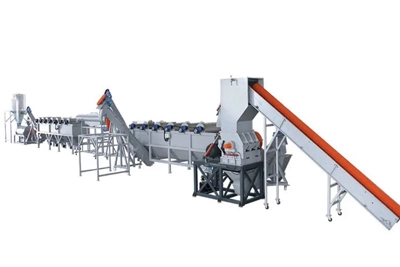
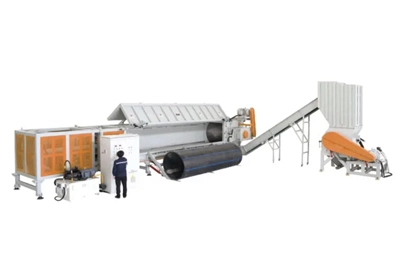
Types of Recycling & Pelletizing Line

Environmental Sustainability in Recycling and Pelletizing Processes

Environmental sustainability is a crucial aspect of recycling and pelletizing processes. These processes aim to reduce waste, conserve resources, and minimize the environmental impact of plastic and other materials. Here are some key considerations for promoting environmental sustainability in recycling and pelletizing processes:


  • Waste Reduction: Recycling and pelletizing processes help divert waste from landfills and incineration, reducing the environmental burden. By transforming waste materials into valuable pellets, these processes contribute to a circular economy, where resources are reused and waste is minimized.


  • Energy Efficiency: Energy consumption is a significant factor in recycling and pelletizing processes. Implementing energy-efficient equipment and optimizing process parameters can help reduce energy consumption and associated greenhouse gas emissions. This includes using advanced technologies such as energy recovery systems, heat exchangers, and efficient motors.


  • Water Conservation: Water is often used in recycling and pelletizing processes for cooling, cleaning, and material handling. Implementing water recycling and treatment systems can help minimize water consumption and reduce the strain on freshwater resources. Additionally, optimizing water usage through process design and equipment selection can contribute to environmental sustainability.


  • Emissions Control: Recycling and pelletizing processes may generate emissions such as volatile organic compounds (VOCs) and particulate matter. Implementing effective emission control measures, such as exhaust systems, filters, and scrubbers, can help minimize air pollution and protect the environment and human health.

Advantages and Benefits of Recycling and Pelletizing Lines

Recycling and pelletizing lines offer numerous advantages and benefits, making them essential tools in the sustainable management of plastic waste. Here are some key advantages and benefits of recycling and pelletizing lines:


  • Waste Reduction: Recycling and pelletizing lines help reduce the amount of plastic waste that ends up in landfills or incinerators. By transforming waste materials into high-quality pellets, these lines contribute to a circular economy, where resources are reused and waste is minimized.


  • Resource Conservation: Recycling and pelletizing lines conserve valuable resources by reusing plastic materials. This reduces the need for virgin raw materials, such as petroleum-based plastics, and helps preserve natural resources like fossil fuels and minerals.


  • Energy Savings: Recycling and pelletizing lines often require less energy compared to the production of virgin plastics. By using recycled materials, these lines help save energy that would otherwise be required for extracting, refining, and processing new raw materials.


  • Carbon Footprint Reduction: The use of recycling and pelletizing lines can significantly reduce greenhouse gas emissions. By diverting plastic waste from landfills and reducing the need for energy-intensive production processes, these lines contribute to mitigating climate change and reducing carbon footprints.


  • Economic Benefits: Recycling and pelletizing lines create economic opportunities by generating a market for recycled plastic pellets. These pellets can be used in various industries, such as packaging, automotive, construction, and consumer goods. The recycling industry also creates jobs in collection, sorting, processing, and manufacturing.


  • Product Quality and Versatility: Pellets produced by recycling and pelletizing lines often exhibit high quality and consistency. These pellets can be customized to meet specific requirements, such as color, strength, and melt flow properties. They can be used in a wide range of applications, offering versatility and compatibility with existing manufacturing processes.


  • Environmental Protection: Recycling and pelletizing lines contribute to environmental protection by reducing pollution and the consumption of natural resources. By diverting plastic waste from oceans, rivers, and landfills, these lines help protect ecosystems and wildlife from the harmful effects of plastic pollution.


In summary, recycling and pelletizing lines offer numerous advantages and benefits, including waste reduction, resource conservation, energy savings, carbon footprint reduction, economic opportunities, product quality, versatility, and environmental protection. By embracing these technologies, we can move towards a more sustainable and circular economy, where plastic waste is minimized, and valuable resources are conserved.

Troubleshooting and Maintenance Tips for Recycling and Pelletizing Lines

Troubleshooting and maintenance are crucial for ensuring the smooth operation and longevity of recycling and pelletizing lines. Here are some key tips for troubleshooting and maintenance:


Regular Inspections: Conduct routine inspections of the recycling and pelletizing line to identify any signs of wear, damage, or malfunction. This includes checking for loose connections, leaks, worn-out parts, and abnormal noises or vibrations. Addressing these issues promptly can prevent further damage and downtime.


Lubrication: Proper lubrication of moving parts is essential for smooth operation and to prevent premature wear. Follow the manufacturer's recommendations for lubrication intervals and use the appropriate lubricants. Regularly inspect and clean lubrication systems to ensure they are functioning properly.


Cleaning and Maintenance: Regularly clean the recycling and pelletizing line to remove any debris, dust, or residue that may accumulate. Pay special attention to areas such as screens, filters, and cutting blades. Follow the manufacturer's guidelines for cleaning procedures and use appropriate cleaning agents.


Calibration and Adjustment: Periodically calibrate and adjust the equipment to ensure accurate operation and consistent pellet quality. This includes checking and adjusting temperature settings, pressure gauges, speed controls, and other relevant parameters. Regular calibration helps maintain process control and optimize performance.


Spare Parts Inventory: Maintain an inventory of critical spare parts to minimize downtime in case of equipment failure. Identify the most commonly replaced parts and keep them readily available. Regularly review and update the spare parts inventory based on usage and equipment recommendations.


Operator Training: Ensure that operators are properly trained in the operation, troubleshooting, and maintenance of the recycling and pelletizing line. Provide training on identifying common issues, performing routine maintenance tasks, and following safety protocols. Well-trained operators can detect and address problems early, minimizing downtime and optimizing performance.


Documentation and Record-Keeping: Maintain detailed records of maintenance activities, repairs, and troubleshooting efforts. This documentation helps track equipment performance, identify recurring issues, and plan preventive maintenance. It also provides valuable information for future troubleshooting and optimization.


Collaboration with Suppliers: Establish a good working relationship with equipment suppliers and seek their expertise when troubleshooting or performing maintenance tasks. They can provide guidance, technical support, and access to specialized tools or spare parts.


By following these troubleshooting and maintenance tips, recycling and pelletizing lines can operate efficiently, minimize downtime, and produce high-quality pellets consistently. Regular maintenance and prompt troubleshooting not only extend the lifespan of the equipment but also contribute to the overall productivity and profitability of the recycling facility.

JWELL will meet your needs as much as possible. Don't hesitate to contact us now.
Contact Us