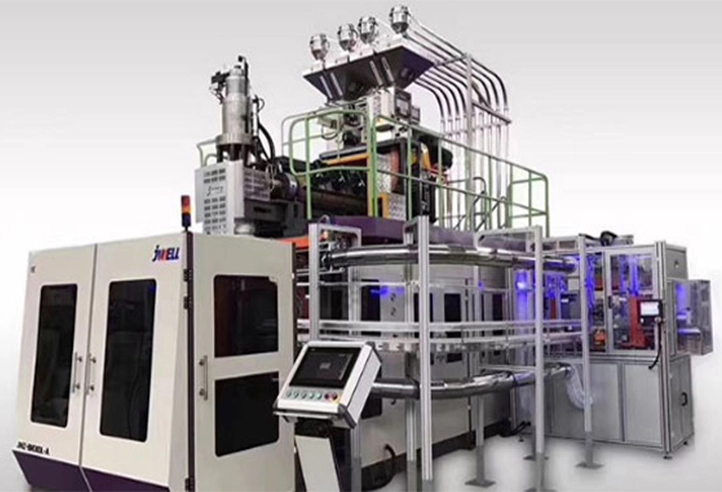
Resource Efficiency: Extrusion machines play a crucial role in sustainable manufacturing by efficiently utilizing raw materials. They minimize waste by converting plastic, metal, or other materials directly into finished products, reducing the need for additional processing steps.
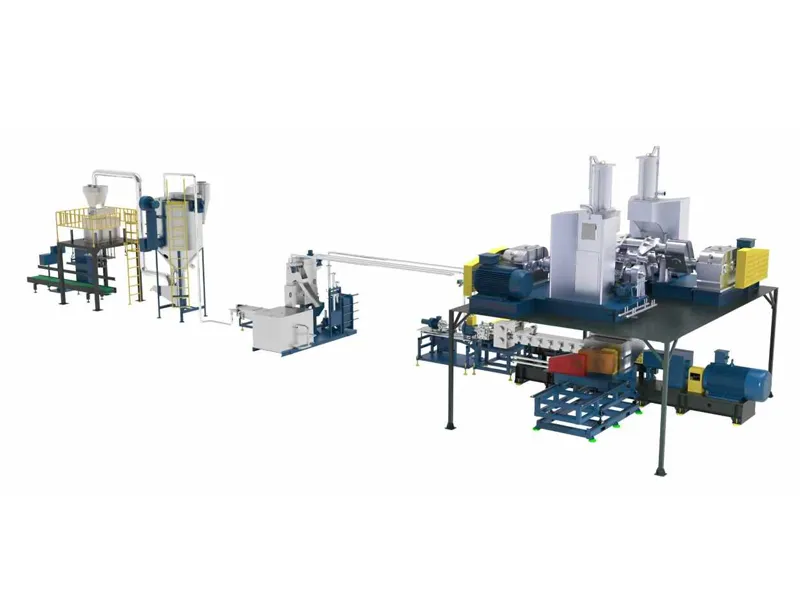
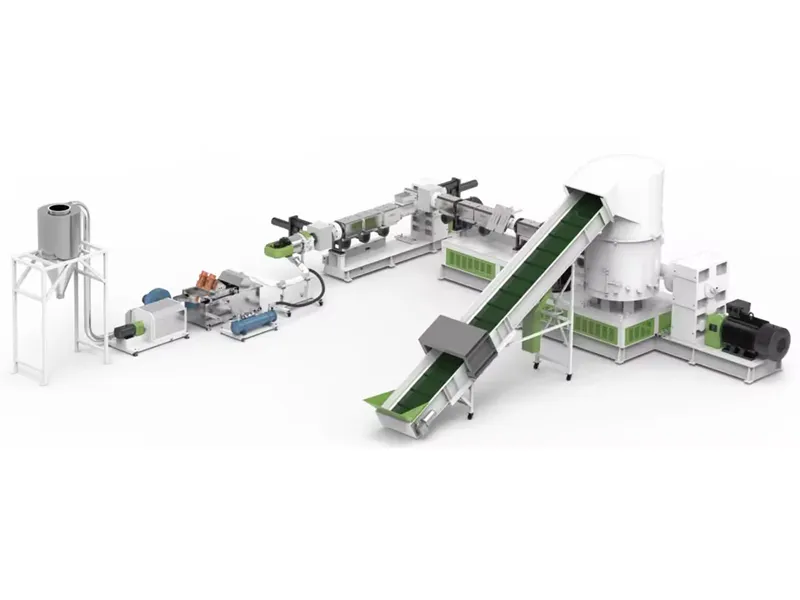
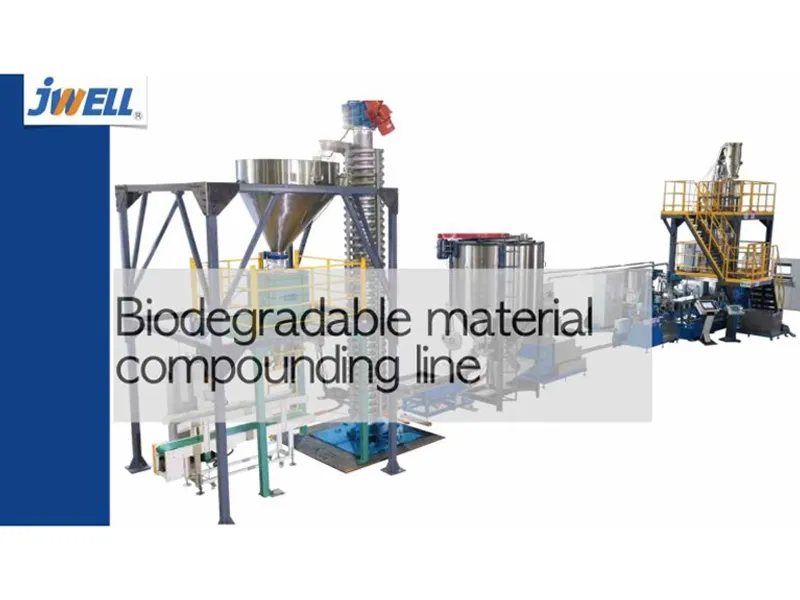
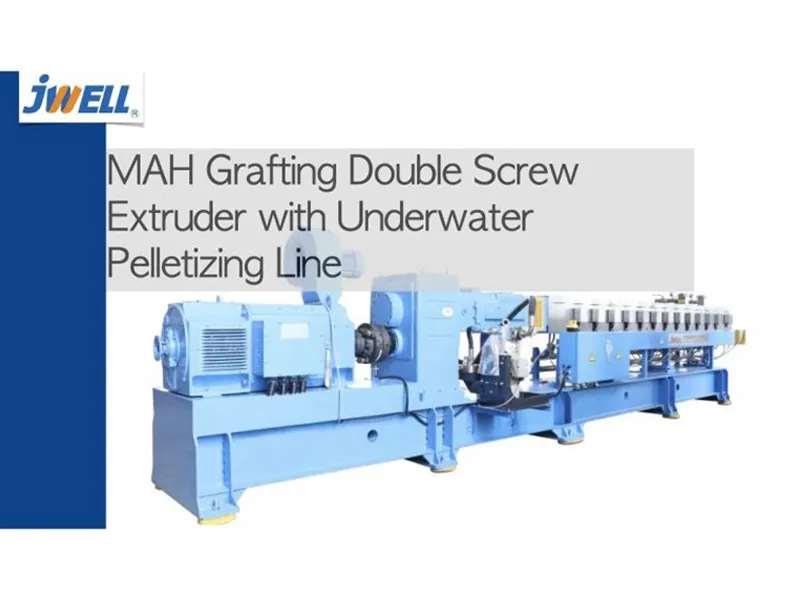
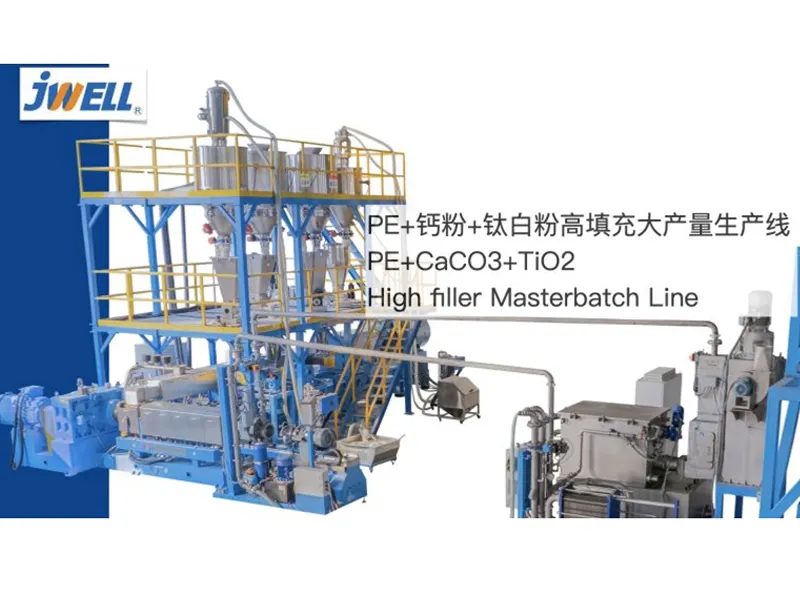
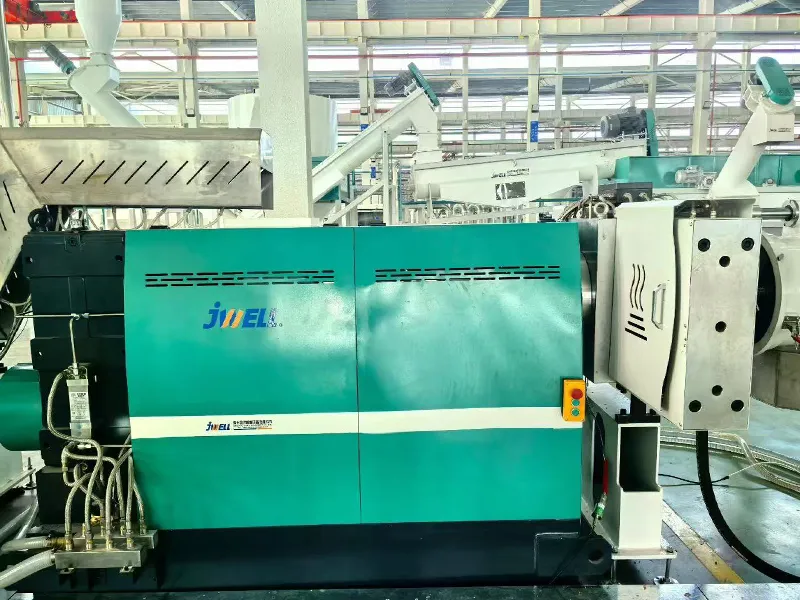
Recycling Capabilities: Extrusion machines, particularly those with recycling and pelletizing lines, contribute to sustainability by enabling the reuse of scrap materials. This not only reduces waste but also decreases the demand for new raw materials, promoting a circular economy.
Energy Conservation: Modern extrusion machines are designed to be energy-efficient, consuming less power compared to traditional manufacturing methods. This helps in reducing the carbon footprint of the manufacturing process, contributing to environmental sustainability.
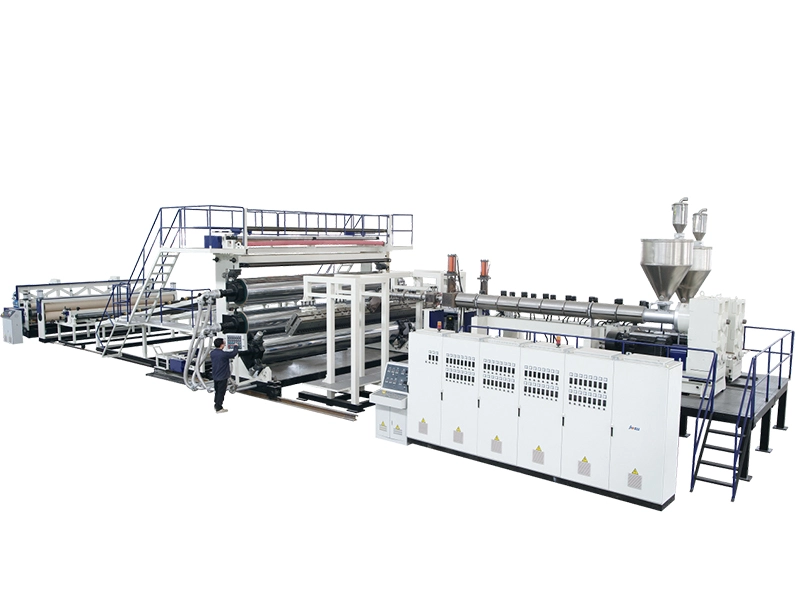
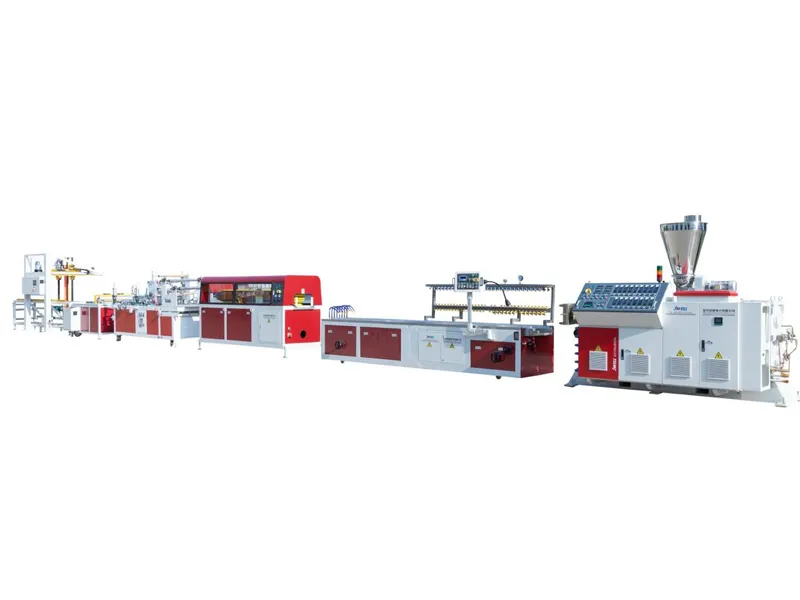
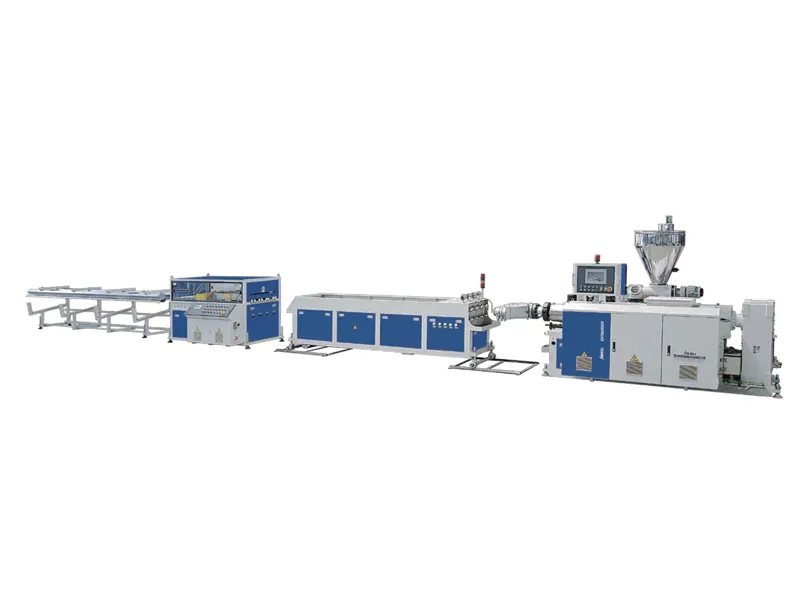
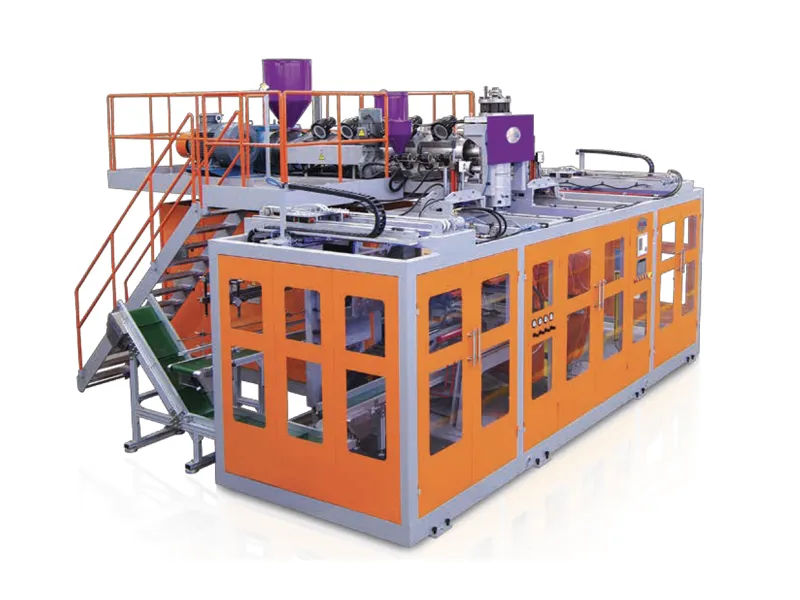
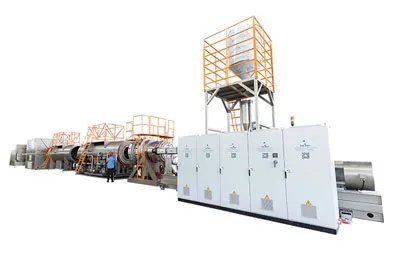
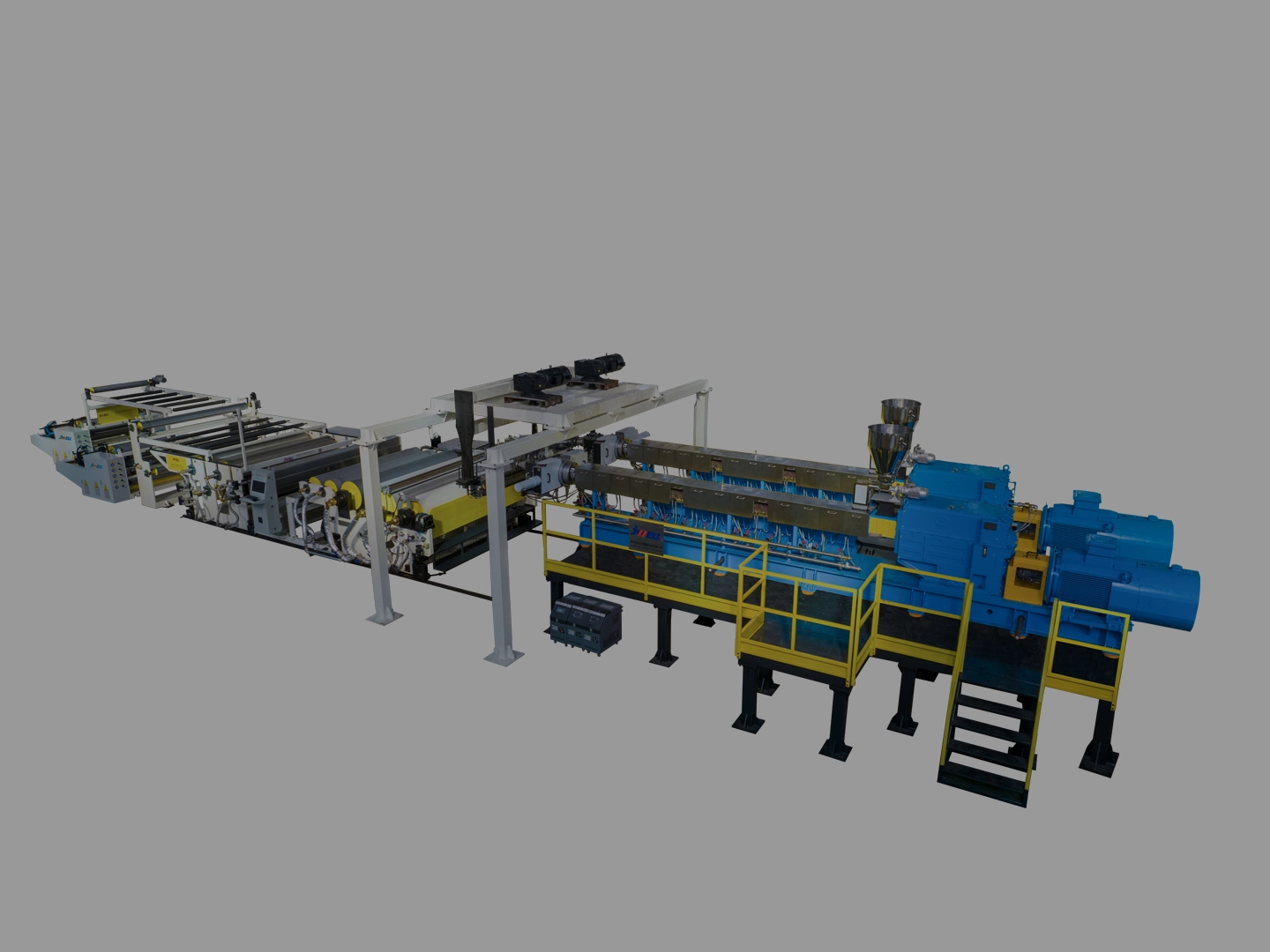
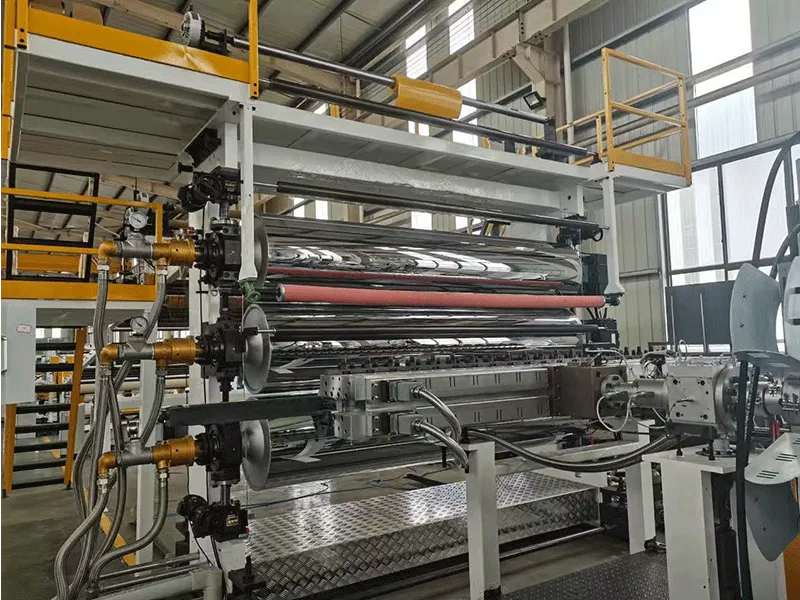
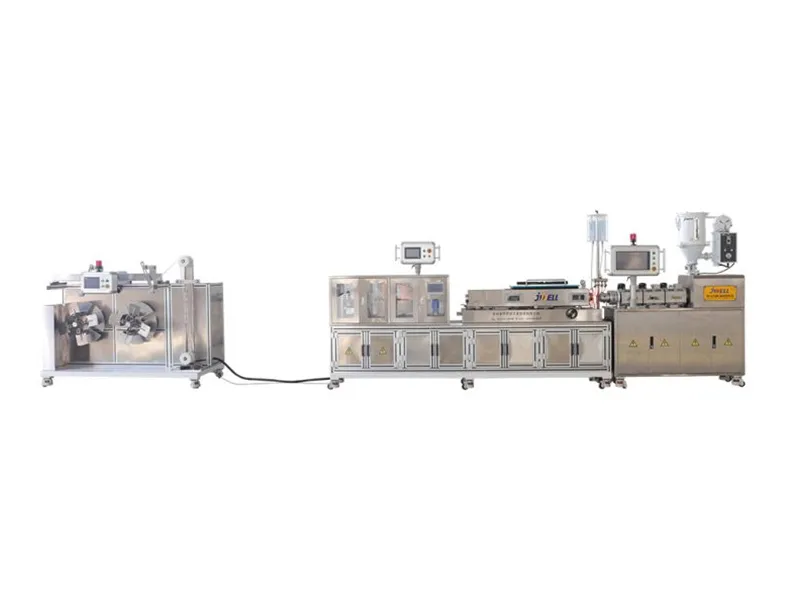
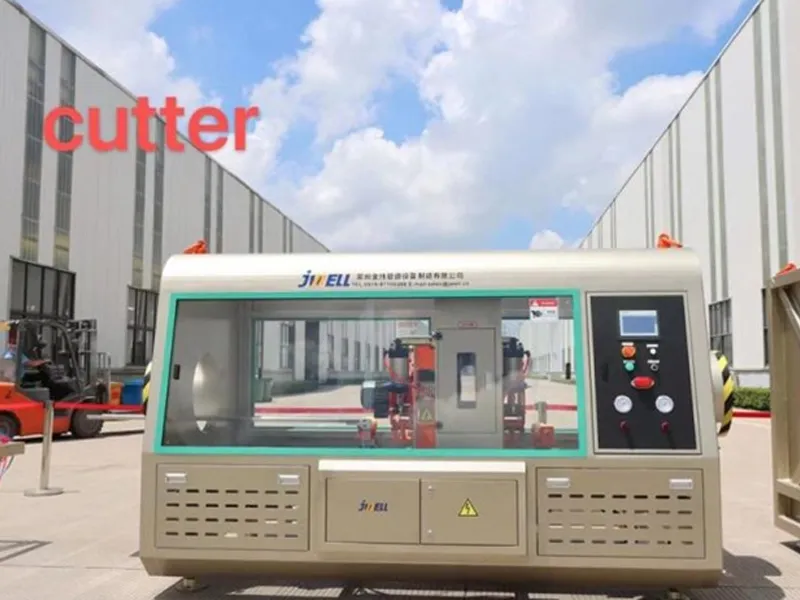
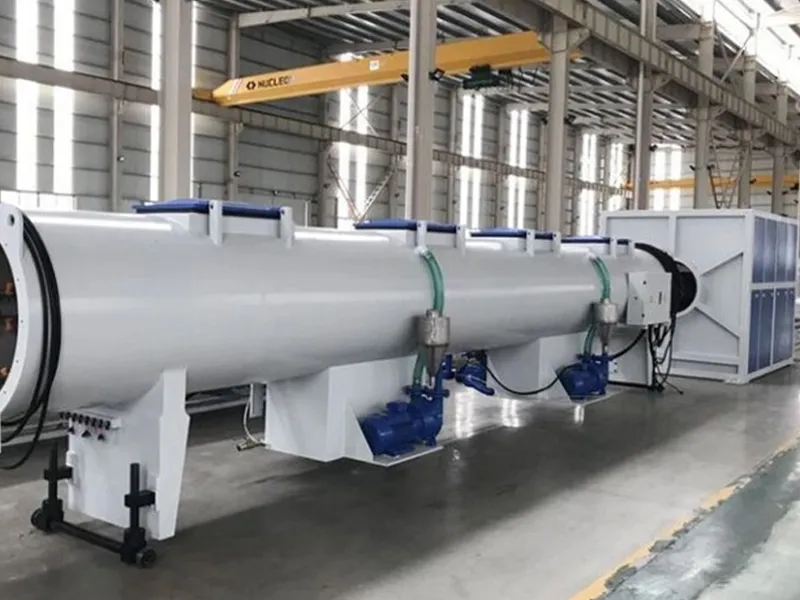
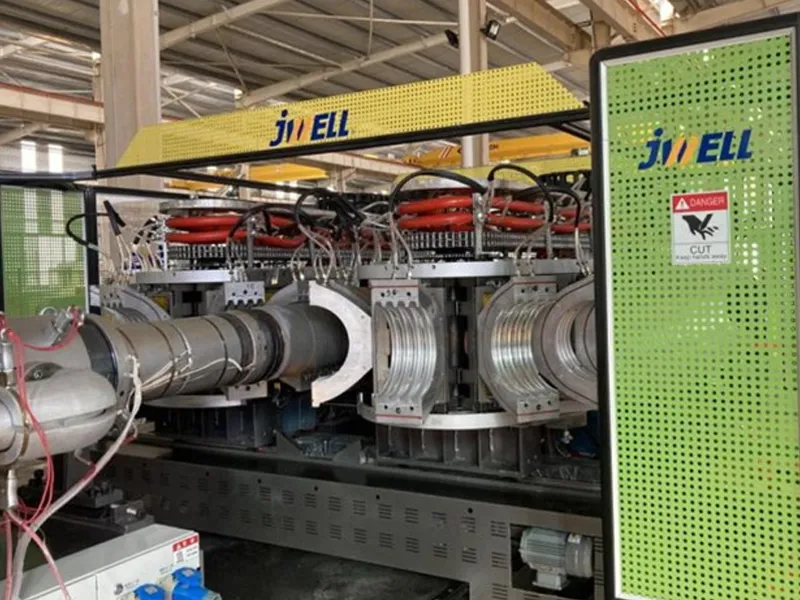
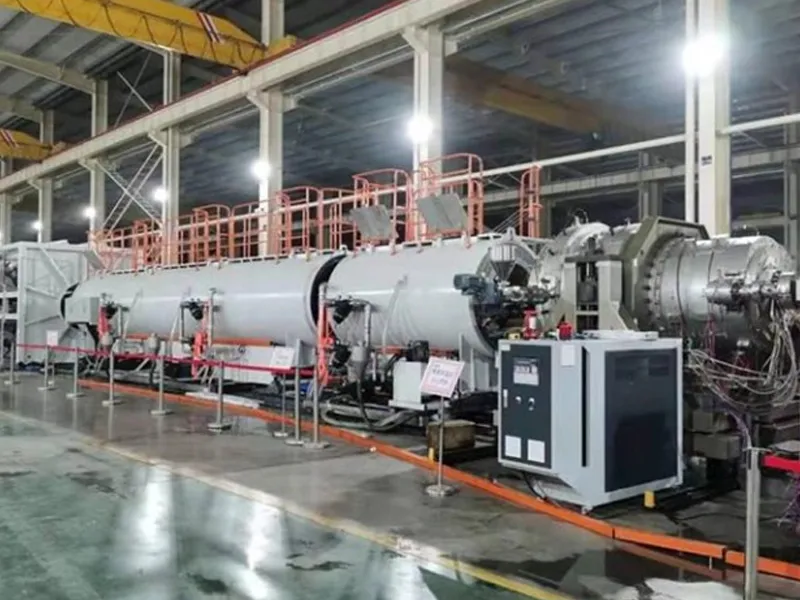
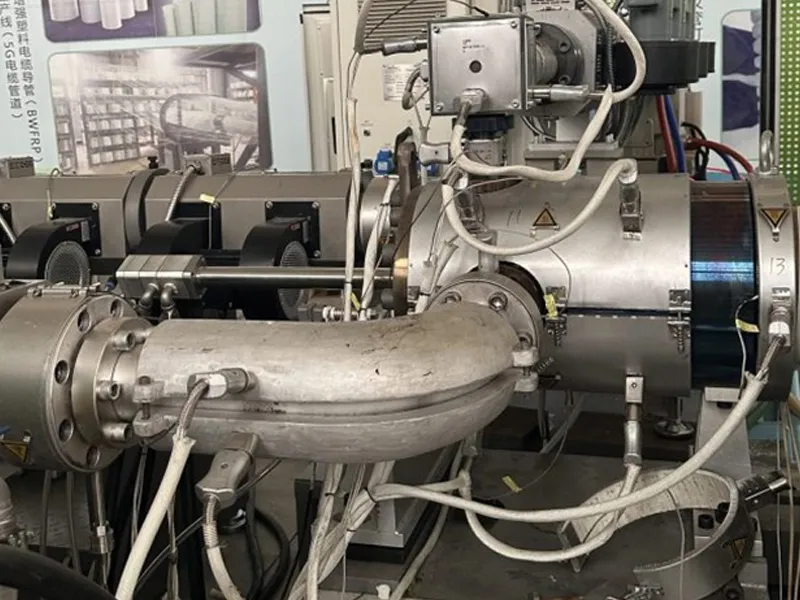
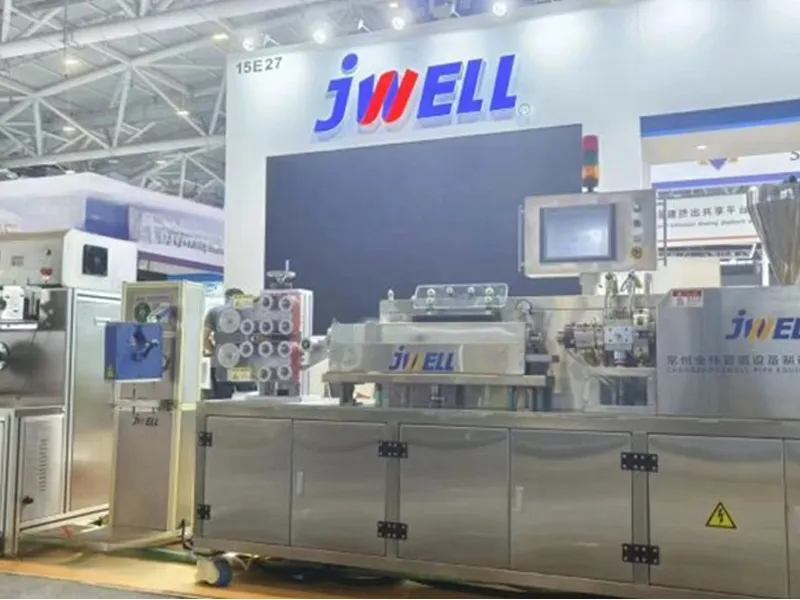
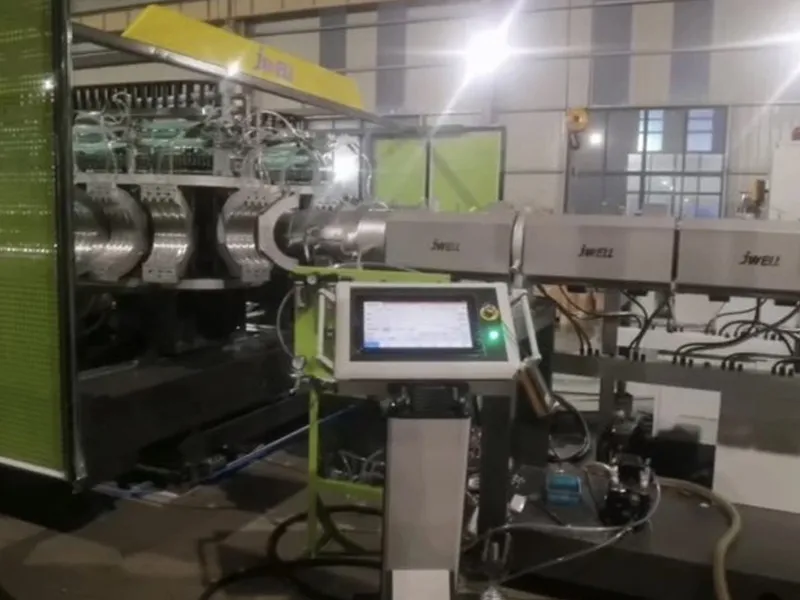
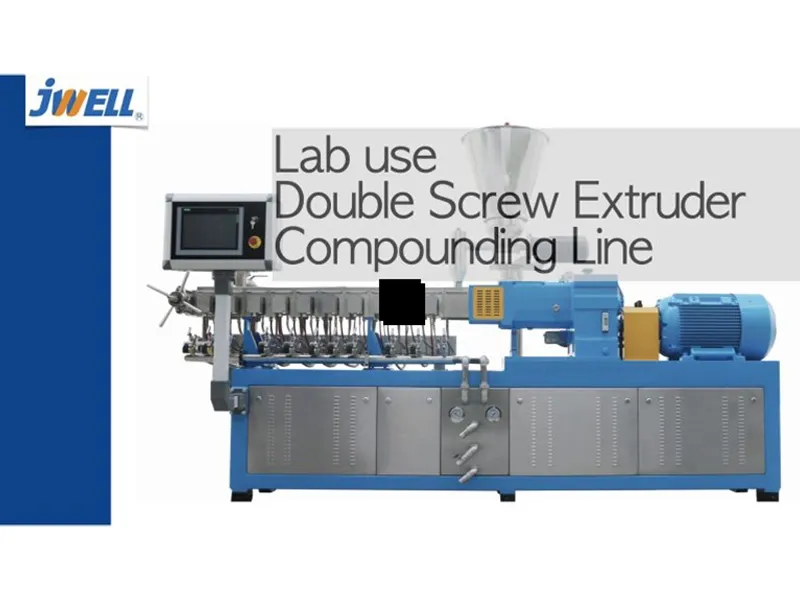
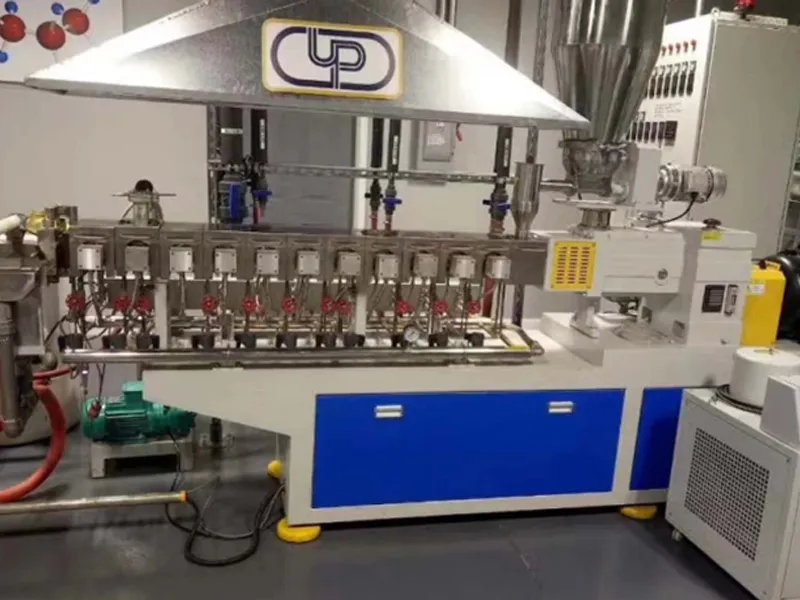
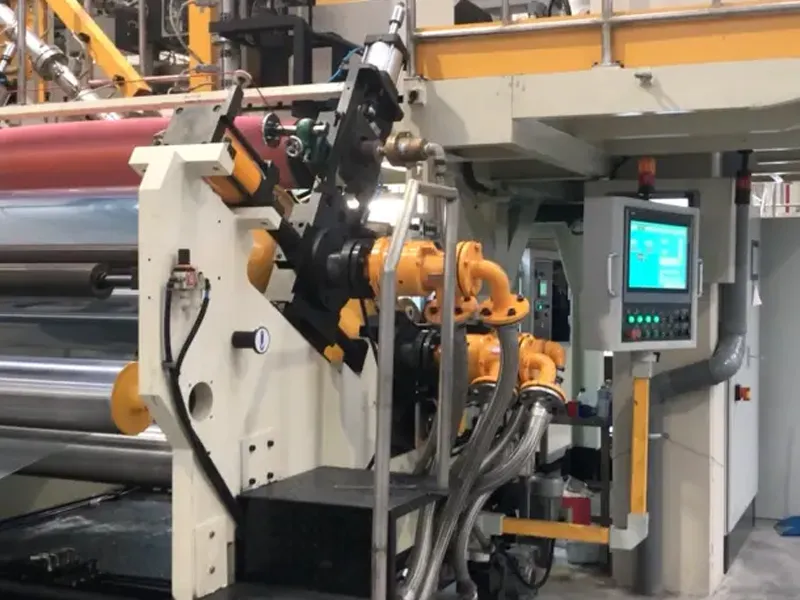
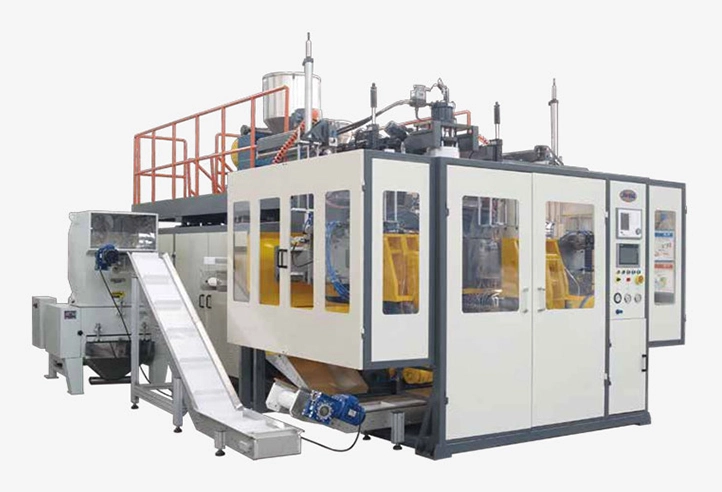
Extrusion machines are indispensable in the plastics industry. They are used to create a wide range of products, from pipes and profiles to films and sheets, by melting and shaping plastic materials into desired forms, offering flexibility in design and production.
In the food sector, extrusion machines are used to process cereals, snacks, and pasta. They allow for the production of a variety of shapes and textures, enhancing the diversity of food products available in the market.
Extrusion machines play a vital role in the construction industry, producing various building materials such as PVC pipes, window frames, and insulation materials. Their ability to produce complex cross-sectional profiles makes them invaluable in this sector.