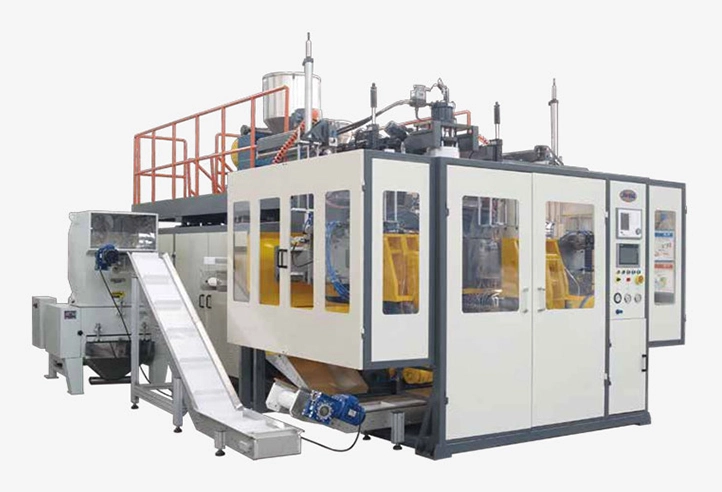
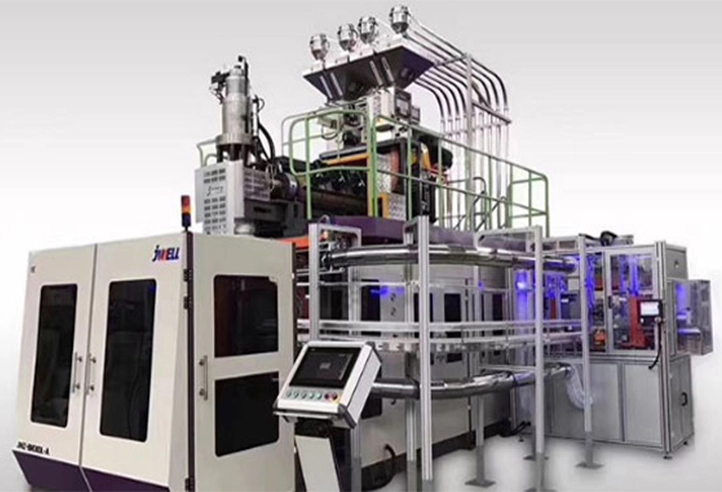
The plastic extrusion equipment market is evolving alongside global plastics production, recycling requirements, automation, and demand for higher production efficiency. For manufacturers, selecting an extrusion line is no longer simply a matter of comparing machine prices. Material compatibility, output, product tolerance, energy consumption, automation, downstream equipment, and technical support can all influence the long-term return on investment.
According to the OECD Global Plastics Outlook, global plastics production increased from 234 million tonnes in 2000 to 460 million tonnes in 2019, while plastic waste more than doubled to 353 million tonnes. Only 9% of plastic waste was ultimately recycled in 2019. These figures highlight the scale of the plastics processing and recycling challenge—and the continuing importance of extrusion technology.
JWELL is a global extrusion equipment manufacturer offering solutions for sheets, films, profiles, pipes, compounding, recycling, and other polymer-processing applications. Its broad product portfolio allows manufacturers to select complete extrusion systems according to their specific production requirements.
What Is the Plastic Extrusion Equipment Market?
Definition: The plastic extrusion equipment market comprises machinery and complete production lines used to continuously melt, process, shape, cool, calibrate, and finish thermoplastic materials.
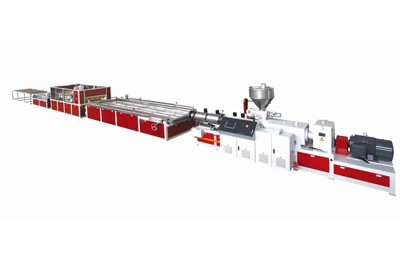
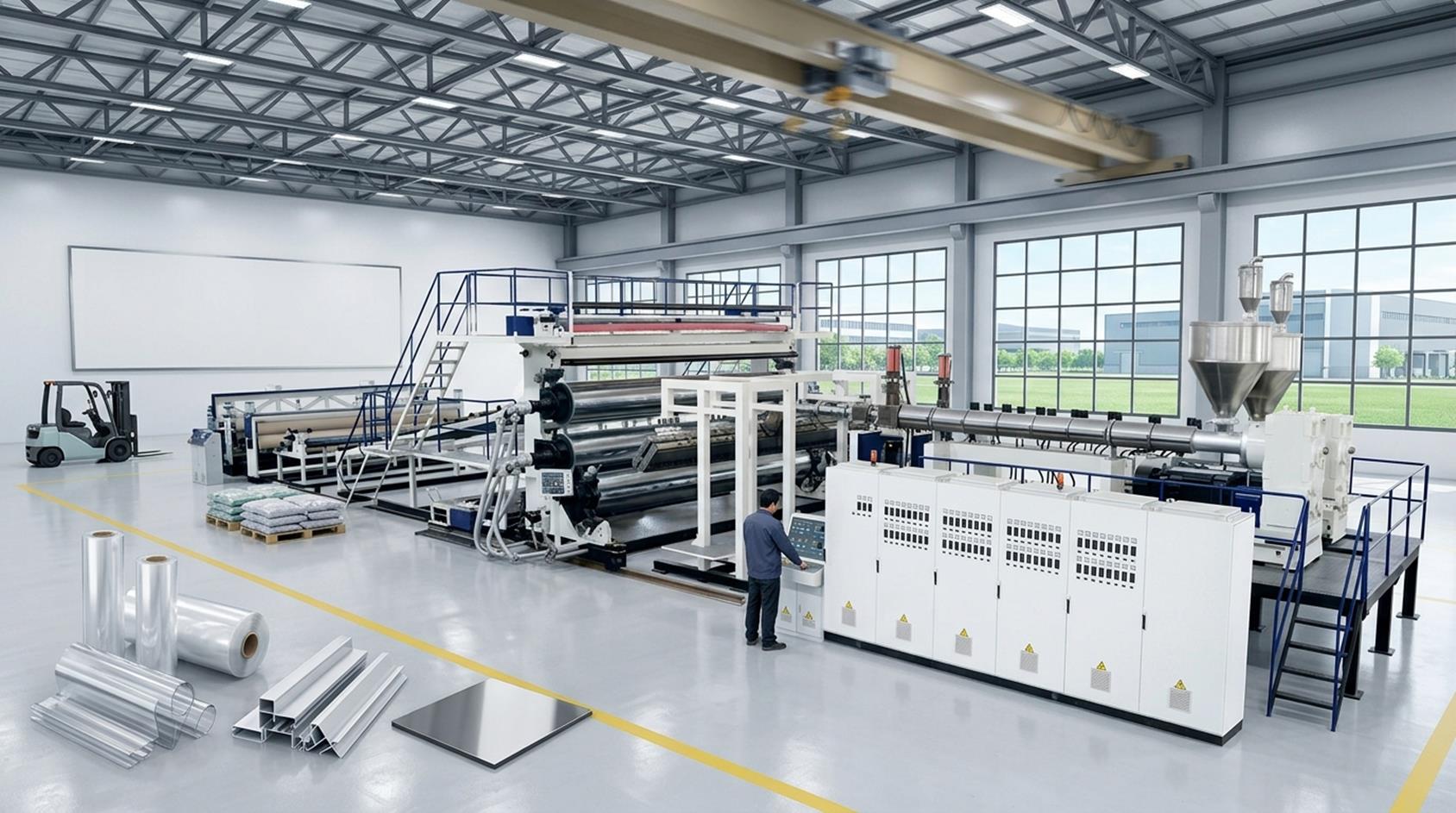
A standard extrusion line can include a feeding system, extruder, die, heating and cooling system, calibration equipment, haul-off, cutting or winding equipment, and automated controls. The exact configuration depends on the polymer and final product.
| Equipment Type | Typical Applications | Main Buying Consideration |
|---|
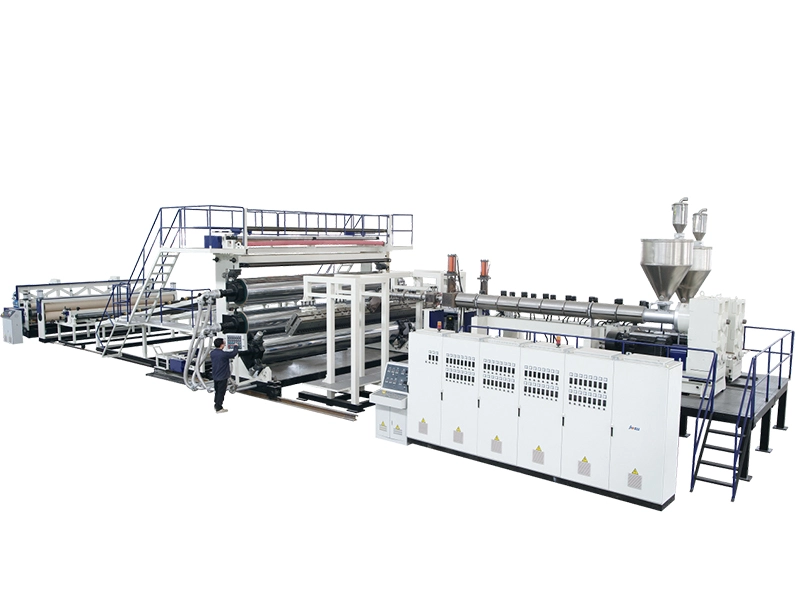
| Sheet & plate extrusion | PVC, PC, PP, PET sheets | Thickness and surface quality |
| Film extrusion | TPU, EVA, PVB, POE films | Melt uniformity and winding |
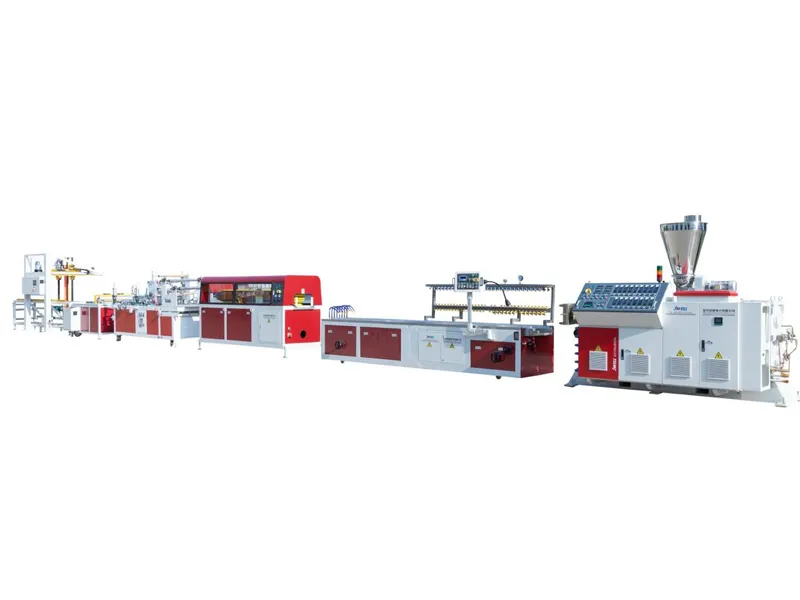
| Profile extrusion | Windows, panels, decking, seals | Die and calibration precision |
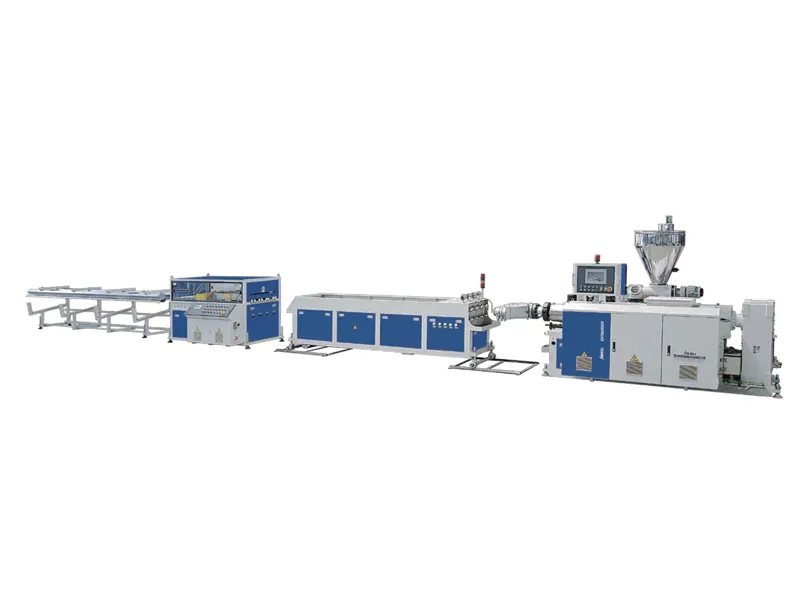
| Pipe extrusion | PE, PVC, PP pipes | Diameter and dimensional stability |
| Compounding extrusion | Filled and reinforced polymers | Feeding and mixing performance |
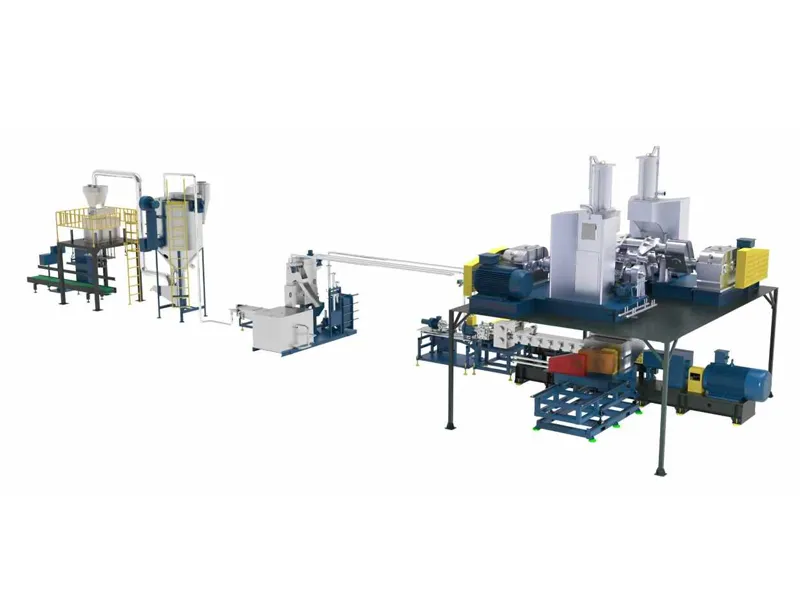
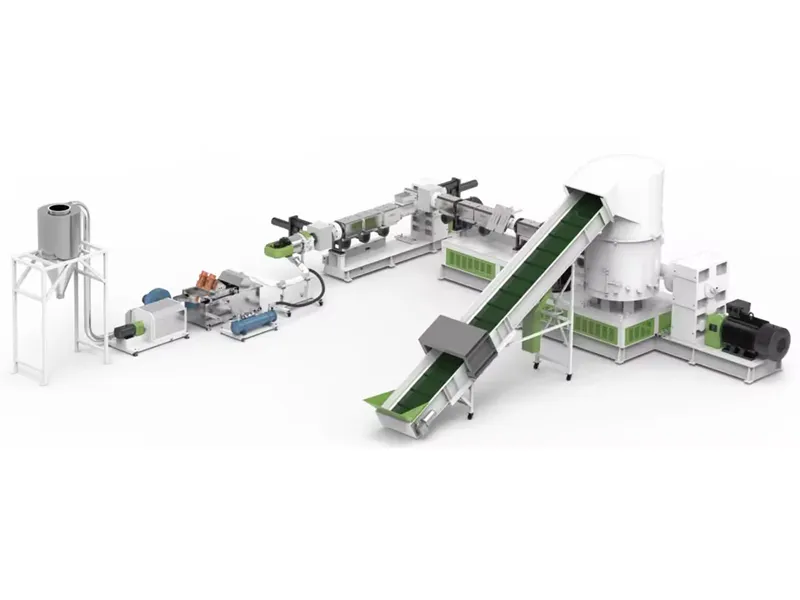
| Recycling & pelletizing | Recycled plastics | Filtration and degassing |
The diversity of applications means that buyers increasingly need application-specific extrusion solutions, rather than a standard extruder.
For manufacturers producing rigid sheets and plates, a plastic sheet extrusion line can be configured around material characteristics, product dimensions, output requirements, and downstream processing. The same principle applies to film, pipe, profile, and compounding applications, where the extrusion system must be matched to the material and finished product.
What Trends Are Shaping the Plastic Extrusion Equipment Market?
Definition: Plastic extrusion equipment market trends are the technological, material, and manufacturing changes that influence how extrusion lines are designed, purchased, and operated.
Global Plastics Production Continues to Support Equipment Demand
Plastics production provides an important underlying demand base for processing machinery. According to Plastics Europe’s Plastics – The Fast Facts 2025, global plastics production reached 430.9 million tonnes in 2024, increasing 4.1% year over year and 16.3% compared with 2018. Asia accounted for 57.2% of global production in 2024.
For extrusion equipment manufacturers, this means production demand is increasingly distributed across different regions and applications. Packaging, construction, automotive, electrical products, agriculture, and consumer goods all require different extrusion technologies.
The growing range of end products also makes equipment selection more application-specific. A manufacturer producing construction profiles, for example, may require a different screw, die, calibration, and haul-off arrangement from a producer making flexible films or rigid sheets.
Recycling Is Increasingly Important
The circular economy is another major influence on equipment design. OECD data shows that only 9% of plastic waste was ultimately recycled in 2019. Plastics Europe reports that global mechanically and chemically recycled post-consumer plastics production reached 41.2 million tonnes in 2024.
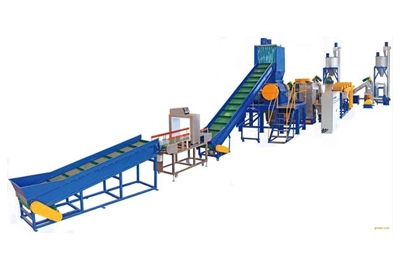
Recycled feedstock can have greater variation in contamination, moisture, bulk density, and melt properties. As a result, recycling extrusion lines increasingly require effective feeding, filtration, degassing, melt-pressure control, and pelletizing systems.
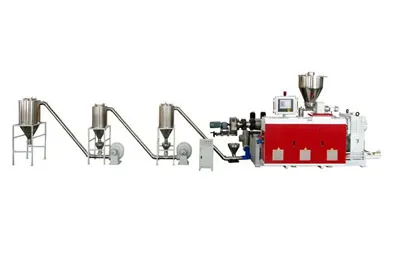
For applications involving recycled or highly filled polymers, a compounding machine can provide controlled feeding, melting, mixing, and dispersion. These systems are particularly relevant when manufacturers need to combine polymers with fillers, additives, recycled materials, or reinforcing agents while maintaining consistent material properties.
Energy Efficiency Is Becoming a Buying Factor
Energy consumption is an important part of extrusion operating costs. Coperion’s extrusion energy-efficiency information reports that modernization projects carried out on its extruders have achieved average energy savings of 8%–14%.
This demonstrates why buyers should evaluate total operating costs rather than comparing the initial purchase price alone. Drive efficiency, heating control, screw configuration, cooling systems, throughput, and automation can all influence energy consumption.
Energy efficiency also needs to be considered together with production stability. A line that consumes less energy but cannot consistently maintain output, melt temperature, or product dimensions may not deliver the expected economic benefit. For this reason, manufacturers should compare energy consumption against actual production output and product quality rather than evaluating energy use as an isolated specification.
Which Plastic Extrusion Equipment Should Manufacturers Choose?
Definition: Choosing plastic extrusion equipment means matching the extruder, die, and downstream systems with the material, product specifications, target capacity, quality requirements, and operating environment.
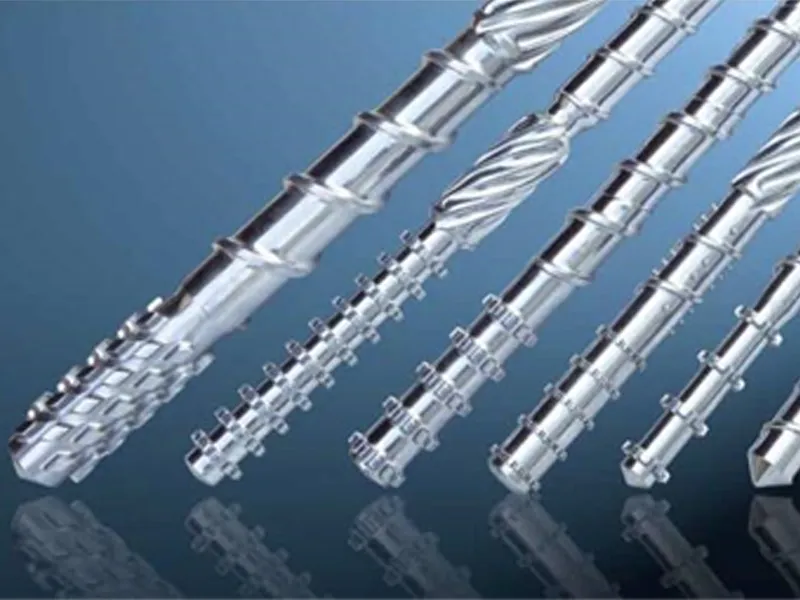
The first consideration is the material. Different polymers have different melting temperatures, rheological properties, moisture sensitivity, and processing windows. The screw design and temperature-control strategy must therefore be matched to the formulation.
The second consideration is the finished product. A pipe line prioritizes dimensional stability and cooling efficiency, while a profile line requires accurate die design and calibration. Film and sheet production places greater emphasis on melt distribution, thickness uniformity, surface quality, and winding or cutting.
The third consideration is actual production capacity. Buyers should distinguish between theoretical maximum throughput and the output achievable under their actual material formulation and product specifications.
For manufacturers producing complex cross-sections, a plastic profile extrusion line should be evaluated according to profile geometry, die design, calibration, haul-off, cutting, and the required production speed.
For pipe manufacturers, the same selection principle applies, but cooling, sizing, haul-off, and dimensional control become especially important. The complete line should be evaluated rather than judging the extruder independently, because downstream equipment can directly affect production speed and final product quality.
Before sending an RFQ, manufacturers should provide the polymer grade, formulation, product drawing, dimensions, target output, production schedule, product tolerances, local electrical standards, automation requirements, and expected future capacity. Complete technical information allows suppliers to recommend a more accurate line configuration.
How Should Buyers Evaluate a Plastic Extrusion Equipment Manufacturer?
Definition: Evaluating an extrusion equipment manufacturer means assessing its engineering capability, manufacturing capacity, customization experience, quality control, project references, commissioning support, and after-sales service.
A reliable supplier should be able to explain why a particular extruder size, screw configuration, die, cooling system, haul-off, and control architecture is suitable for the application.
Buyers should also evaluate the complete cost of ownership. A lower initial quotation may not represent better value if the equipment has higher energy consumption, more frequent maintenance requirements, limited spare-parts availability, or insufficient technical support.
For international projects, commissioning and operator training are particularly important. A technically capable supplier should be able to support installation, trial production, process optimization, troubleshooting, and future upgrades.
JWELL has developed extrusion solutions covering sheet and plate production, film, pipe, profile, compounding, recycling, and other specialized applications. Its broad portfolio allows customers to compare different extrusion technologies according to their production requirements rather than selecting an isolated machine without considering the complete process.
Conclusion
The plastic extrusion equipment market is being shaped by three major forces: continued global plastics production, the transition toward more circular plastics processing, and the demand for efficient and automated manufacturing. Global plastics production reached 430.9 million tonnes in 2024, while recycled post-consumer plastics production reached 41.2 million tonnes, according to Plastics Europe.
For equipment buyers, the most important decision is not simply which extruder has the lowest price. Material compatibility, actual throughput, product quality, energy consumption, automation, downstream configuration, maintenance, and technical service should all be evaluated before placing an order.
With a broad range of extrusion technologies and application-specific solutions, JWELL can support manufacturers looking to build new production lines or upgrade existing plastic processing systems.
FAQ About the Plastic Extrusion Equipment Market
Definition: These FAQs provide concise answers to common questions about plastic extrusion equipment, market trends, and equipment selection.
1. What is plastic extrusion equipment?
Plastic extrusion equipment is machinery that melts thermoplastic materials and continuously pushes the melt through a die to manufacture products with a consistent cross-section.
2. What products can plastic extrusion equipment manufacture?
Extrusion lines can manufacture pipes, profiles, sheets, plates, films, membranes, pellets, and many customized plastic products.
3. What is driving the plastic extrusion equipment market?
Key factors include global plastics production, demand from construction and packaging, specialized polymer applications, recycling, automation, and the need for greater energy efficiency.
4. Why is recycling important for extrusion equipment?
Recycled polymers can contain more variable contaminants, moisture, and material properties. Specialized extrusion and recycling systems help stabilize feeding, filtration, degassing, melt processing, and pelletizing.
5. How can manufacturers reduce extrusion energy consumption?
Manufacturers can evaluate efficient drives, optimized screw configurations, heating and cooling controls, process automation, and equipment modernization. Coperion reports average energy savings of 8%–14% from modernization projects on its extruders.
6. How do I choose a reliable plastic extrusion equipment manufacturer?
Compare technical expertise, production capabilities, application experience, project references, customization, commissioning, spare-parts availability, after-sales service, and total cost of ownership. The supplier should also be able to design the complete extrusion line rather than only provide an individual machine.
References
https://www.oecd.org/en/publications/global-plastics-outlook_aa1edf33-en/full-report/component-6.html
https://plasticseurope.org/knowledge-hub/plastics-the-fast-facts-2025/
https://www.coperion.com/en/news-media/newsletter/2021/plastics-in-focus-edition-042021/energy-efficiency-in-extrusion
 English