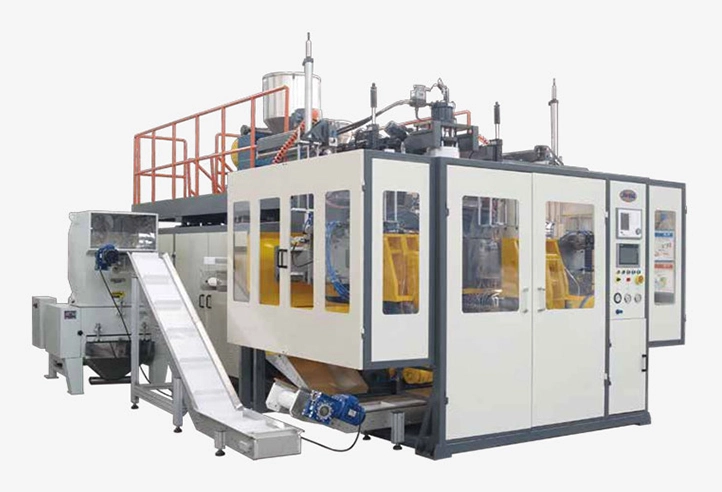
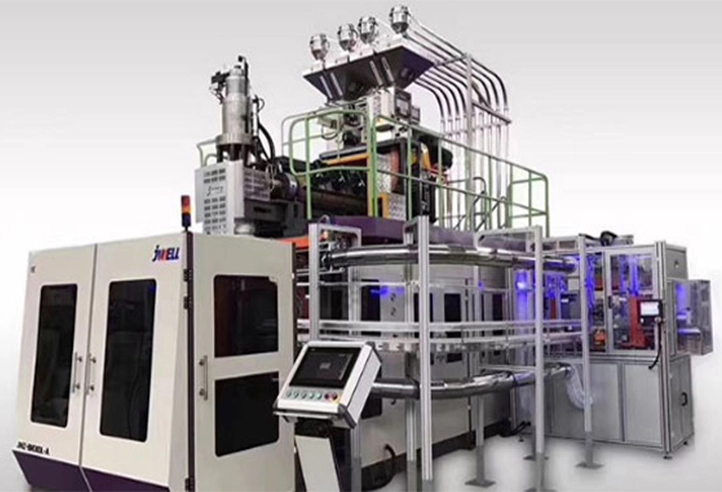
Choosing a top blow molding machine manufacturer is not simply about comparing machine prices. A reliable supplier should match the molding process, resin, product volume, automation requirements, mold configuration and long-term service plan. For manufacturers producing bottles, drums, pallets, tanks or other hollow plastic products, the right equipment can directly affect output stability, product consistency and total cost of ownership.
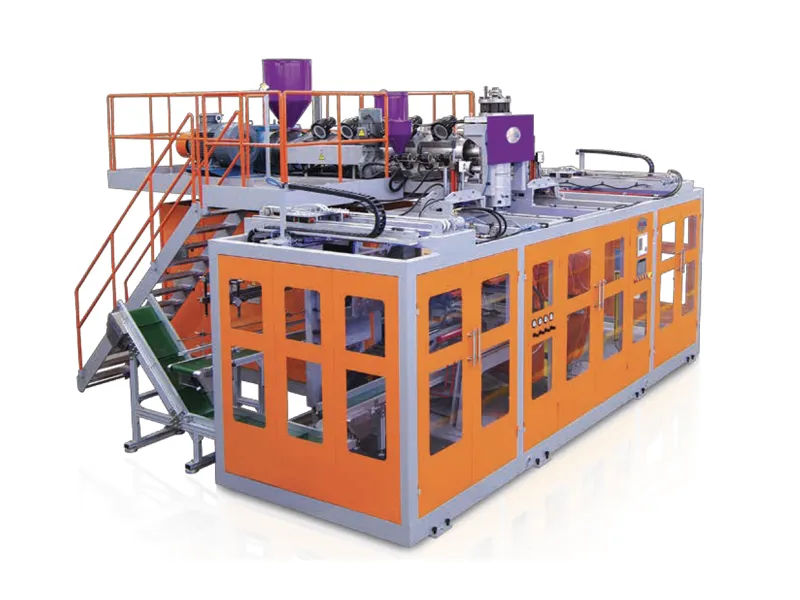
JWELL’s blow molding machine solutions cover multiple machine configurations, including HDPE, PP, automatic, bottle, pallet and double-station blow molding systems. JWELL also provides complete plastic-processing equipment and has supplied machinery to more than 120 countries and regions.

What Defines a Top Blow Molding Machine Manufacturer?
A top blow molding machine manufacturer is a supplier that combines suitable molding technology, stable machine performance, engineering capability, quality control and long-term technical support rather than competing on equipment price alone.
Blow molding creates hollow plastic products by forming a parison or preform and expanding it against a mold cavity with compressed air. The main processes include extrusion blow molding, injection blow molding and stretch blow molding.
For buyers, five factors deserve particular attention: material compatibility, product size, required output, automation level and after-sales support. Safety should also be part of the specification. When comparing equipment, manufacturers can refer to the ANSI/SPI B151.31-2014 blow molding machine safety requirements, which address safety considerations for blow molding machinery and emphasize risk assessment during manufacturing, maintenance and operation.
A supplier should also provide clear technical documentation, maintenance requirements, spare-parts planning and commissioning support. These considerations become particularly important when equipment is expected to operate for many years. NIST's pre-purchase guide for manufacturing equipment recommends evaluating factors such as maintenance, expected service life, safety, compatibility and long-term cost before purchasing manufacturing equipment.
Which Blow Molding Machine Type Fits Your Production?
The right blow molding machine depends primarily on the product geometry, resin, production volume and required level of automation.
| Machine Type | Typical Application | Key Advantage | Suitable Buyer |
|---|
| Extrusion blow molding | Bottles, drums, containers | Flexible for hollow products | Packaging and industrial manufacturers |
| Automatic blow molding | High-volume bottles and containers | Higher automation | Mass production |
| Double station blow molding | Multiple hollow products | Improved production efficiency | Medium/high-volume plants |
| Pallet blow molding | Large plastic pallets | Large-volume molding capability | Logistics and warehousing |
| HDPE blow molding | HDPE bottles, containers and drums | Good material compatibility | Chemical and packaging industries |
JWELL’s product portfolio includes jwell blow molding machine solutions covering HDPE, PP, automatic, bottle, pallet, double-station and full-electric configurations.
For example, JWELL’s BM500F/BM1000F pallet systems have maximum product volumes of 500 L and 1,000 L, respectively, with maximum plasticizing capacities of 400 kg/h and 700 kg/h. This illustrates why buyers should compare machines using measurable production parameters rather than model names alone.
Manufacturers producing bottles should also evaluate whether the supplier can provide a suitable blow moulding machine for plastic bottle, including appropriate die-head design, mold configuration, cooling and automation.
How to Compare a Blow Molding Machine Manufacturer
The best supplier should be evaluated as a technology partner, not just as a machine vendor.
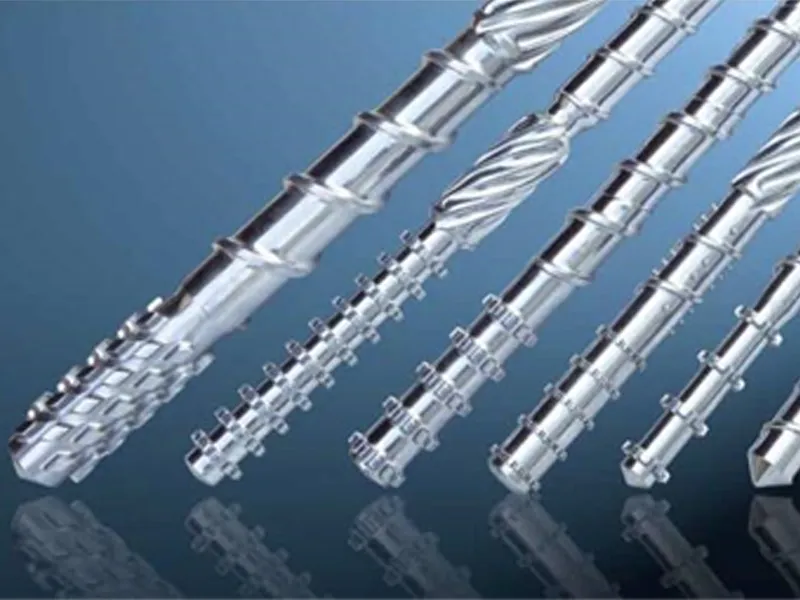
First, compare engineering capability. Ask whether the manufacturer can recommend the correct screw, die head, parison control, clamping system and downstream configuration for your resin and product.
Second, examine production data. Important specifications include maximum product volume, plasticizing capacity, clamping force, dry cycle, motor power, mold dimensions and machine footprint. These figures allow buyers to estimate whether the equipment can meet current and future production requirements.
Third, evaluate automation and quality control. Modern blow molding systems can integrate parison control, automatic product handling, leak testing, weight measurement and visual inspection. These functions can reduce variation and operator dependence when correctly configured.
Fourth, review supplier service. Supplier evaluation should extend beyond the initial machine quotation. NIST's supplier selection guidance for manufacturers highlights factors such as supplier capabilities, quality systems, capacity, logistics and total cost of ownership. These factors can help buyers distinguish between a low-cost machine supplier and a long-term equipment partner.
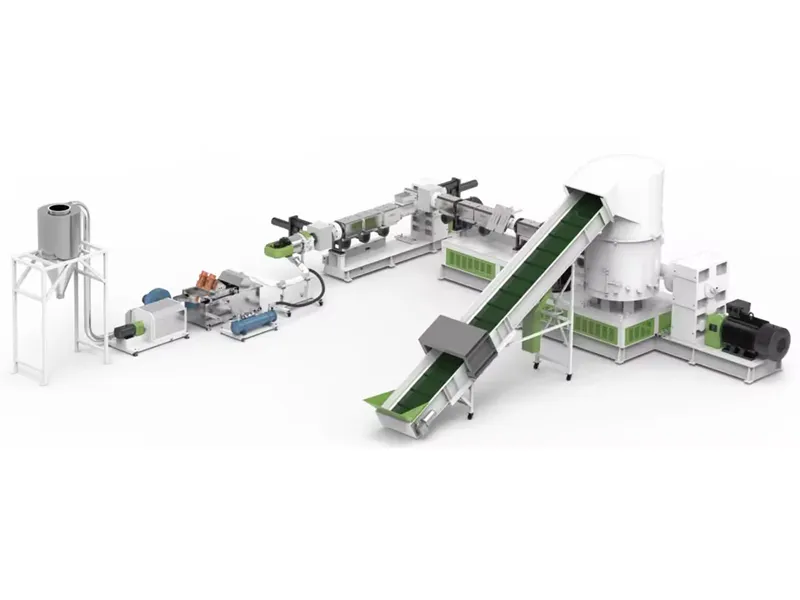
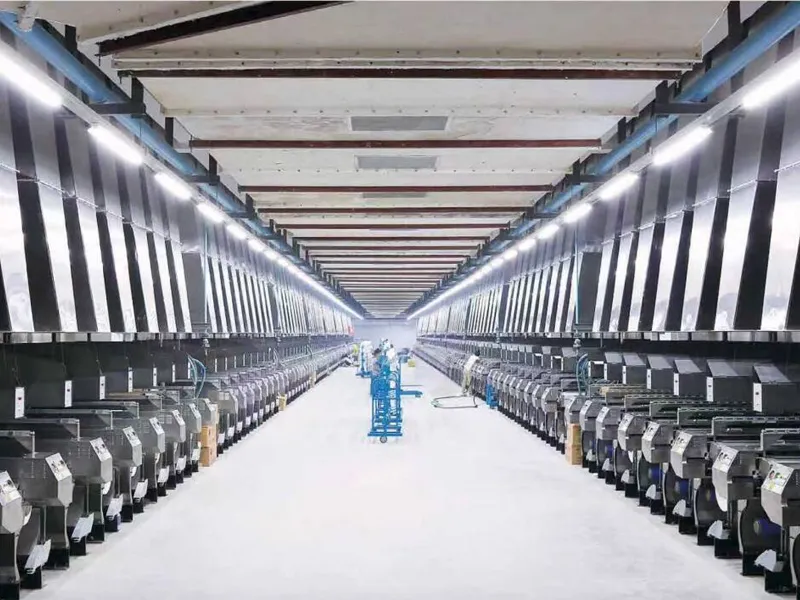
For buyers evaluating the wider JWELL portfolio, JWELL Plastic Extrusion Machinery provides access to extrusion, compounding, recycling, blow molding and related equipment. JWELL’s company profile states that it has more than 3,000 employees, 7 production bases, an annual output of more than 3,000 sets of high-grade extrusion production lines and business covering 120+ countries and regions.
Why JWELL Is an Option for Global Blow Molding Projects
JWELL is a global plastic machinery manufacturer founded in 1997, with a product portfolio extending beyond conventional extrusion into blow molding and other plastic-processing technologies. Its blow molding range includes machines for HDPE, PP, bottles, pallets, double stations and automated production.
For companies comparing a blow molding machine manufacturer for an international project, JWELL’s broader equipment portfolio can be useful when a factory requires multiple plastic-processing technologies from one engineering group. Its manufacturing network includes seven production bases, while its equipment is marketed across more than 120 countries and regions.
The key is to select the machine according to the application rather than the brand alone. Buyers should provide the target product drawing, material, product weight, cavity number, required output, mold dimensions, automation expectations and local electrical requirements when requesting a quotation.
For project-specific recommendations, JWELL Company Profile can help buyers understand the manufacturer’s production and engineering background before moving to an RFQ.
Conclusion
A top blow molding machine manufacturer should offer more than a competitive machine price. The most important criteria are process suitability, measurable output, automation, safety, engineering support, spare-parts availability and lifecycle service.
JWELL provides a broad range of blow molding technologies, including automatic, HDPE, bottle, pallet and double-station systems, supported by a global manufacturing and service network. For buyers preparing a new project, the best next step is to compare technical specifications against the actual product, resin and production target before requesting a detailed quotation.
FAQ
1. What is a blow molding machine manufacturer?
A blow molding machine manufacturer designs and produces equipment used to manufacture hollow plastic products through extrusion, injection or stretch blow molding.
2. How do I choose a blow molding machine manufacturer?
Compare technical capability, machine specifications, automation, quality systems, references, commissioning support, spare parts and total cost of ownership.
3. What materials can blow molding machines process?
Common materials include HDPE, LDPE, PP, PVC and PET, although material compatibility depends on the specific machine and process configuration.
4. What is a double station blow molding machine?
A double station system uses two molding stations to support higher production efficiency and is suitable for applications requiring continuous or higher-volume production.
5. What is the difference between automatic and standard blow molding machines?
Automatic systems integrate more production functions and reduce manual intervention, making them more suitable for consistent high-volume manufacturing.
6. What information should I provide when requesting a blow molding machine quotation?
Provide the product drawing, material, product weight, required output, cavity number, mold dimensions, automation requirements, plant conditions and applicable electrical or safety standards.
References
https://www.plasticsindustry.org/data-report/ansi-b151-31-2014/
https://www.nist.gov/blogs/manufacturing-innovation-blog/manufacturers-pre-purchase-guide-equipment
https://www.nist.gov/blogs/manufacturing-innovation-blog/8-ways-improve-your-supplier-selection-process
 English